
 ENG
ENG
 English
 русский
 中文简体
中文简体 Español
 Indonesia
 08 Oct,2026
Custom Interior Sliding Doors: Aluminum Extrusion Profiles & Buying Guide
The Right Aluminum Profile Is What Makes a Custom Sliding Door Work
The commerc...


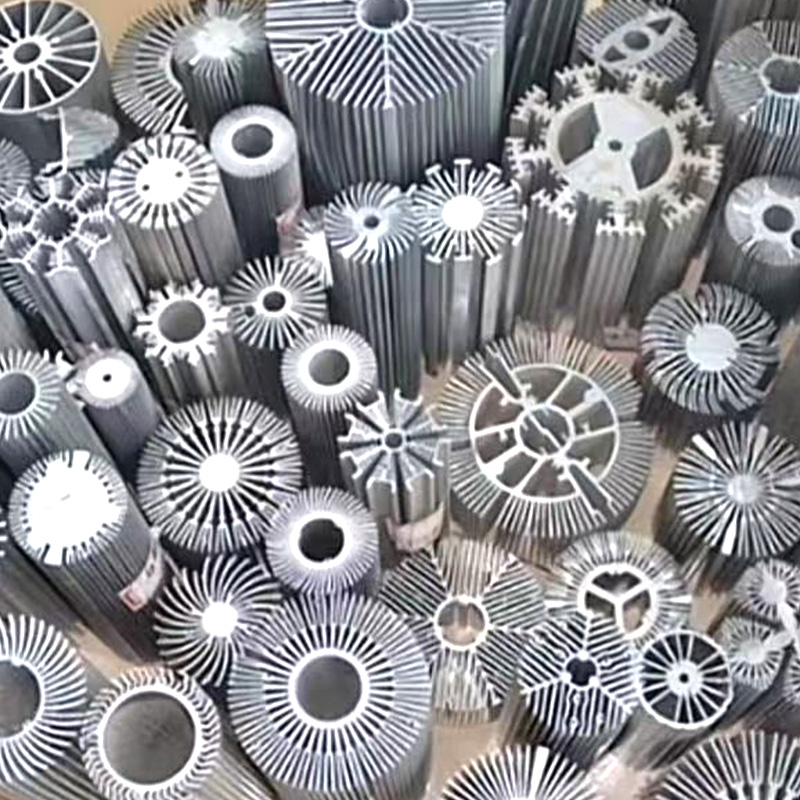
The Sunflower Radiator Aluminum Profile is designed to provide efficient thermal management for high-performance computing systems. Utilizing advanced heat pipe direct contact and multi-fin cooling technology, it ensures rapid and even heat dissipation from critical heat sources such as CPUs and GPUs. The unique sunflower petal-shaped fin design maximizes the heat dissipation area while optimizing airflow paths, resulting in superior cooling performance even under high-intensity operation. Constructed from high-quality, environmentally friendly aluminum, this radiator combines technical efficiency with aesthetic design, offering streamlined contours and exquisite craftsmanship. Its efficient heat management helps reduce energy consumption caused by overheating, delivering a green and energy-saving experience.
| Feature/Aspect | Sunflower Radiator Aluminum Profile | Traditional Fin Radiator | Standard Flat Fin Radiator |
|---|---|---|---|
| Fin Design | Sunflower petal-shaped | Straight or wavy | Flat |
| Heat Dissipation Efficiency | High | Medium | Low |
| Airflow Optimization | Optimized vortex airflow | Limited | Minimal |
| Noise Levels | Low | Moderate | Moderate |
| Material | High-quality aluminum | Aluminum or steel | Aluminum |
| Appearance | Streamlined, aesthetic | Functional | Basic |
| Environmental Impact | Low, eco-friendly | Moderate | Moderate |
A: The unique sunflower petal-shaped fin design and direct contact heat pipe technology allow for superior heat dissipation, optimized airflow, and quieter operation compared to traditional radiators.
A: Yes, it is designed to efficiently manage heat from both high-performance CPUs and GPUs, making it suitable for gaming rigs, workstations, and servers.
A: Yes, the radiator is made from high-quality, environmentally friendly aluminum, which is lightweight, durable, and has a lower environmental impact.
A: By maintaining optimal operating temperatures, it reduces the need for fans to work harder and prevents overheating, thereby lowering additional energy consumption.
A: No, the standardized mounting design allows for easy installation in various PC setups, whether for custom builds or pre-configured systems.
Products provided by famous enterprises are deeply trusted by users.
Years Industry Experience
Factory Area
Current Staff
Annual Output
Our products have obtained, include EC-Type Examination Certificate, BV, MODE, DNV, GL Certificate, EC Attestation of Conformity, Certificate of Type Approval for Marine Product and Lloyd’s Register Quality Assurance.
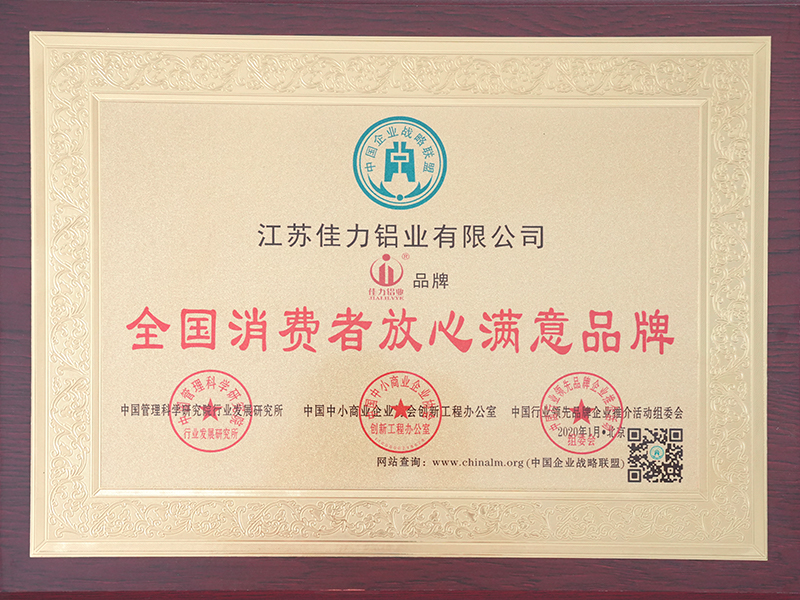
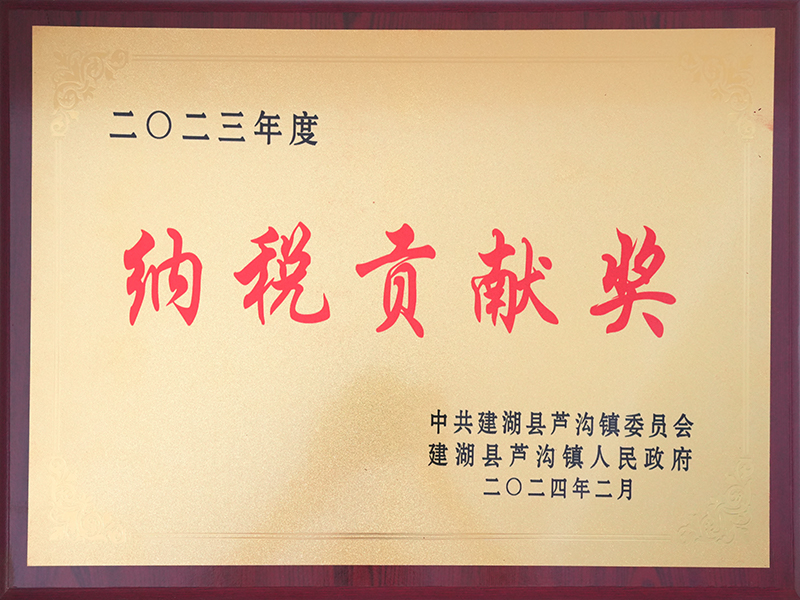
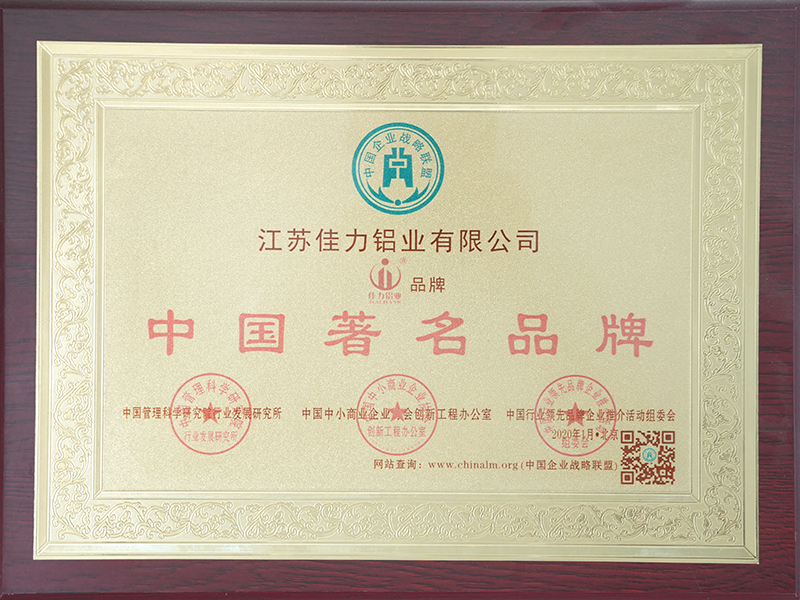
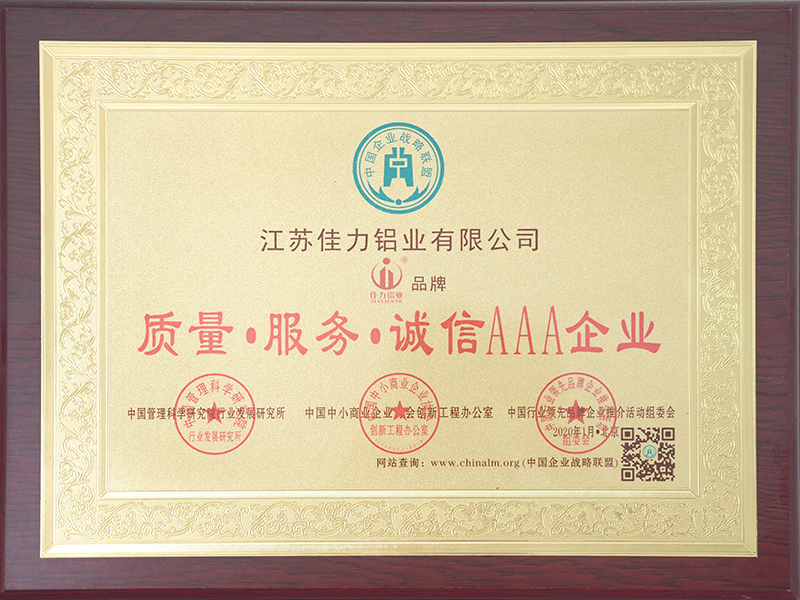
08 Oct,2026
01 Oct,2026
21 Sep,2026
17 Sep,2026
10 Sep,2026
03 Sep,2026
Sunflower radiators are an efficient heat dissipation solution that is widely used in a variety of equipment and systems, especially in the industrial and commercial fields. Here are some of the main application scenarios:
Mechanical equipment: In many industrial machinery, Sunflower radiators can be used to dissipate heat, such as engines, compressors, and pumps, to keep the equipment at a suitable operating temperature.
Power equipment: In power plants and substations, Sunflower radiators are used to cool transformers and generators to improve efficiency and extend the life of equipment.
Air conditioning systems: Sunflower radiators can be used in large commercial air conditioning systems to help dissipate heat and ensure stable operation of the system.
Automotive industry: In the automotive manufacturing process, Sunflower radiators can be applied to cooling systems to help control engine temperature and prevent overheating.
Refrigeration equipment: In the refrigeration and cold storage industry, Sunflower radiators are used in compressors and condensers to improve cooling efficiency.
Electronic equipment: In data centers and computer servers, Sunflower radiators can effectively cool high-performance computer components to prevent overheating.
Chemical Industry: During the chemical production process, sunflower radiators can be used to control the temperature in reactors and pipelines to ensure the safety and effectiveness of the reaction.
Food Processing: In the food processing industry, sunflower radiators can be used to cool equipment to ensure that food remains safe and sanitary during the production process.
HVAC Systems: In the heating, ventilation and air conditioning (HVAC) systems of buildings, sunflower radiators are used to improve the heat exchange efficiency of the overall system.
Agricultural Equipment: In agricultural machinery, sunflower radiators can be used to dissipate heat, such as in equipment such as tractors and harvesters, to ensure that the equipment operates normally when under high load.
What are the key technical parameters to consider when selecting a Sunflower radiator, such as heat dissipation capacity and size?
There are several key technical parameters to consider when selecting a Sunflower radiator to ensure its performance and efficiency in a specific application. Here are some important technical parameters:
Cooling Capacity: The cooling capacity of a radiator is usually expressed in watts (W) or kilowatts (kW). When selecting, it is necessary to ensure that the radiator can effectively remove the generated heat based on the heat load requirements of the equipment.
Dimensions: The dimensions of a heat sink (length, width, and height) affect the space in which it will be installed and how well it will cool. Make sure the heat sink you choose can accommodate the space constraints of the installation environment.
Material: The material of the heat sink affects its durability, thermal conductivity, and corrosion resistance. Common materials include aluminum, copper, and steel. It is important to choose the right material for the specific operating environment.
Fan Type: Many heat sinks have fans to enhance cooling. Consider the fan type (e.g., centrifugal or axial), air volume, and noise level.
Fluid Type: If the heat sink is used in a liquid cooling system, make sure the coolant (e.g., water, glycol, etc.) is compatible with the heat sink material.
Operating Pressure: The heat sink should be designed to withstand the operating pressure in the system. Confirm that the maximum operating pressure of the selected heat sink meets the application requirements.
Heat Exchange Area: The larger the heat exchange area of the heat sink, the better the heat dissipation is generally. Make sure the selected heat sink has enough heat exchange area to meet the heat load requirements.
Installation Method: Understand the installation method (e.g. vertical, horizontal) and required accessories of the radiator to ensure compatibility with the equipment.
Environmental Compatibility: The performance of the radiator under specific environmental conditions, such as the ability to work in high temperature, high humidity or corrosive environments, must be evaluated.
Maintenance Requirements: Understand the maintenance requirements of the radiator, including the frequency of cleaning and replacement of parts, to ensure its long-term reliability and efficiency.

