ENG
 English
 русский
 中文简体
 Español
 Indonesia

On a high-rise facade, the window frames are often the first detail that ages visibly. Many project teams start with a powder-coat finish, then reconsider when the architect asks for a raw-metal feel or the budget tightens. Clear anodized aluminum windows solve that problem in another way. Instead of hiding the metal under pigmented paint, the process grows a transparent oxide layer from the aluminum itself. The result is a silvery finish that resists salt air, UV, and the daily scuffing of site work. Before specifying it, it pays to know what the coating really is, where it is forgiving, and where it is not.
What Clear Anodized Actually Means on a Window Profile
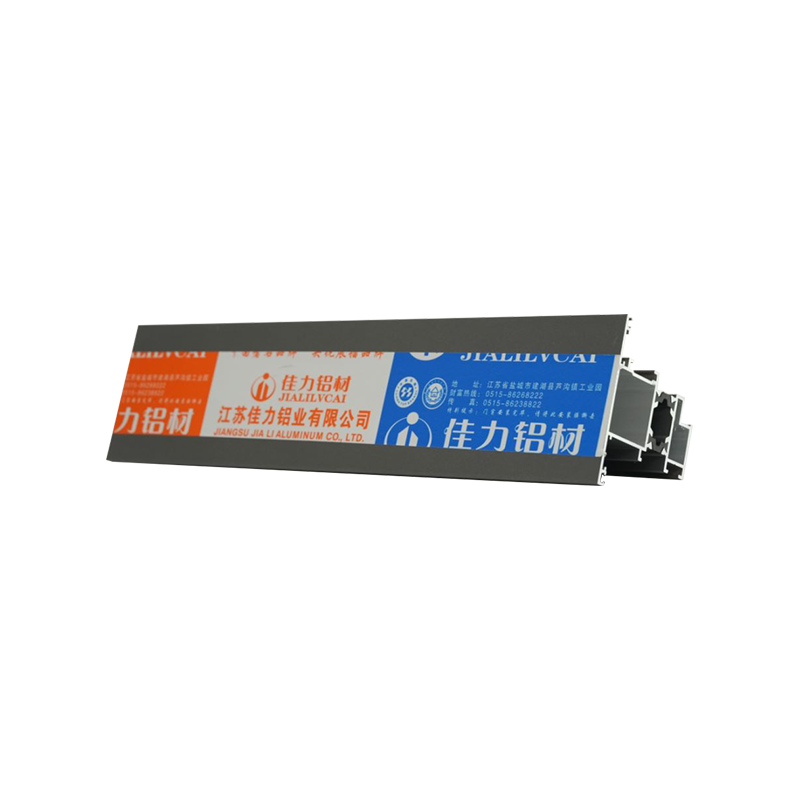
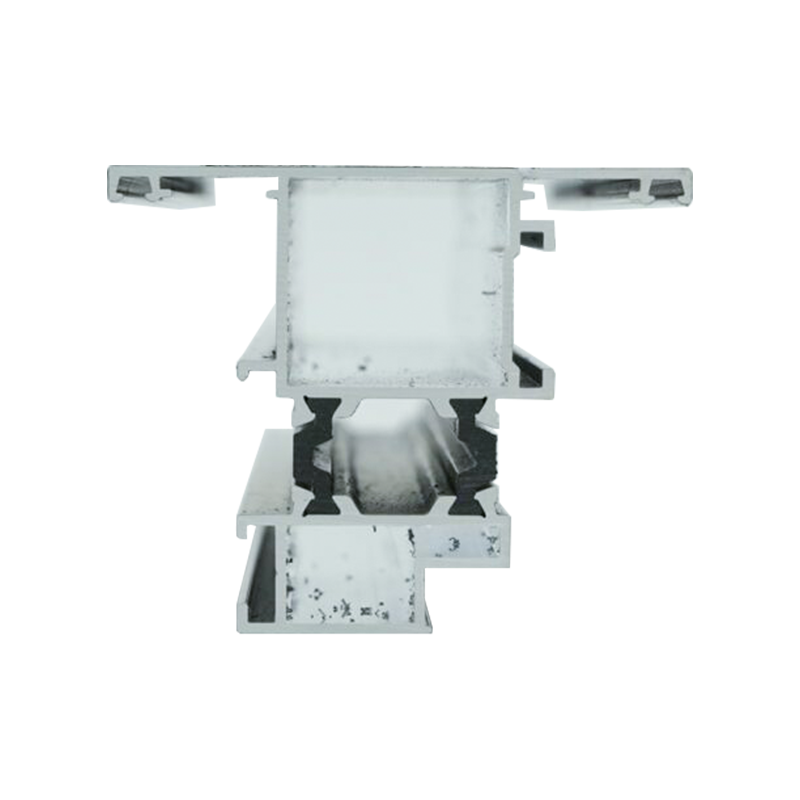 Lightweight Casement Window Aluminum Profile with Thermal BreakThis profile combines structural strength with thermal insulation through a broken bridge design and durable anodized finish. Ideal for projects seeking a raw metal look with weather resistance.View Product →
Anodizing is an electrochemical conversion. The aluminum part sits in a sulfuric acid bath while a controlled current converts the outer surface into a dense layer of aluminum oxide. In clear anodizing, no dye is added, so the oxide stays transparent. Two results matter for a window. First, the coating is part of the metal rather than a paint film. Second, the appearance is tied directly to the alloy and the pre-treatment, not to a color recipe.
Most clear anodized window frames use 6063-T5 or 6063-T6. Both alloys respond consistently in a standard anodizing bath. 6061-T6 is stronger, but it needs a careful desmut step and a shorter etch to avoid grey streaks. A clean extrusion surface is essential because the oxide tends to amplify die lines rather than hide them.
| Property | Clear Anodized | Powder Coated | Dyed Anodized |
|---|---|---|---|
| Finish origin | Grown from metal | Applied paint layer | Grown plus dye |
| UV behavior | No pigment to fade | Color can chalk | Oxide stable, dye fades |
| Scratch response | Wears as metal | Paint chips to raw metal | Wears to clear oxide |
| Typical environment | Coastal, high-traffic | Commercial and residential | Decorative accents |
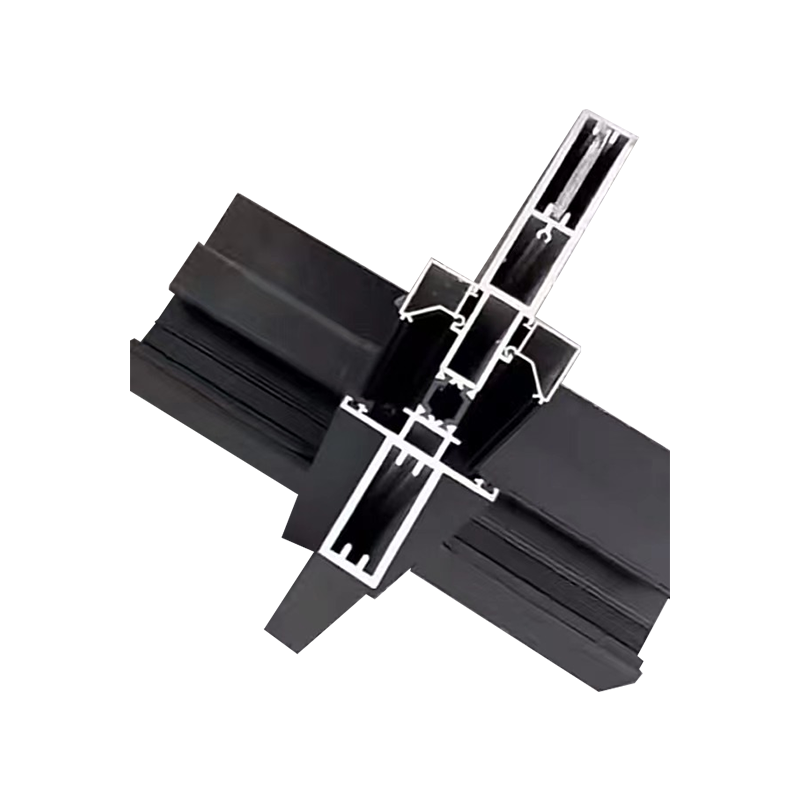
On larger curtain-wall jobs, the same clear anodic finish is applied to deep sections, corner posts, and transoms. The curtain-wall building profiles offer a quick reference for how these members are grouped and how they are designed to work with a window fabricator.
Why Builders Specify Clear Anodized Aluminum Windows
Four properties drive most project specifications.
- Salt and acid resistance. The oxide layer is inert in most atmospheric conditions, so frames near a coast or an industrial roof can be washed without the finish swelling, chalking, or softening.
- Abrasion resistance. The outer oxide zone reaches roughly 9 on the Mohs scale. Frames survive ladders, tools, and daily cleaning jobs far better than a paint that scratches through in one deep contact.
- No peeling or delamination. The oxide has no interface to fail, so a clear finish cannot lift away from a cut edge the way an organic coating can after years of thermal cycling.
- Low surface maintenance. The glossy metal surface does not hold static dust as strongly as an insulating paint, which is why interior window members in offices, transport hubs, and public buildings often use the same treatment.
Specifier's note: clear anodized is unforgiving with surface preparation. A polished or brushed prep shows through the transparent film, and a 0.2 mm scratch is visible if you know where to look.
How the Clear Oxide Layer Is Formed
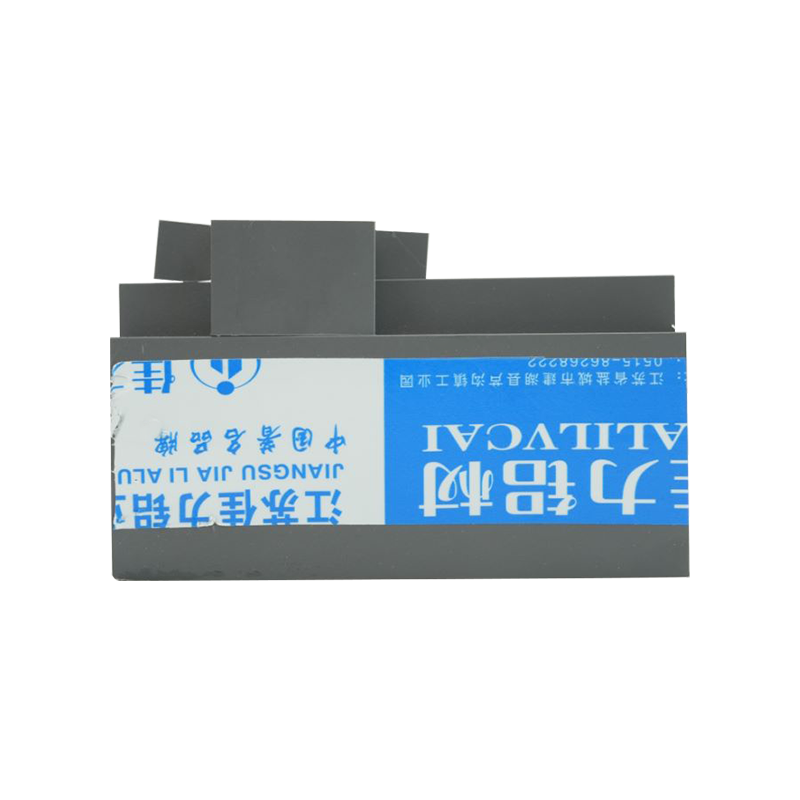
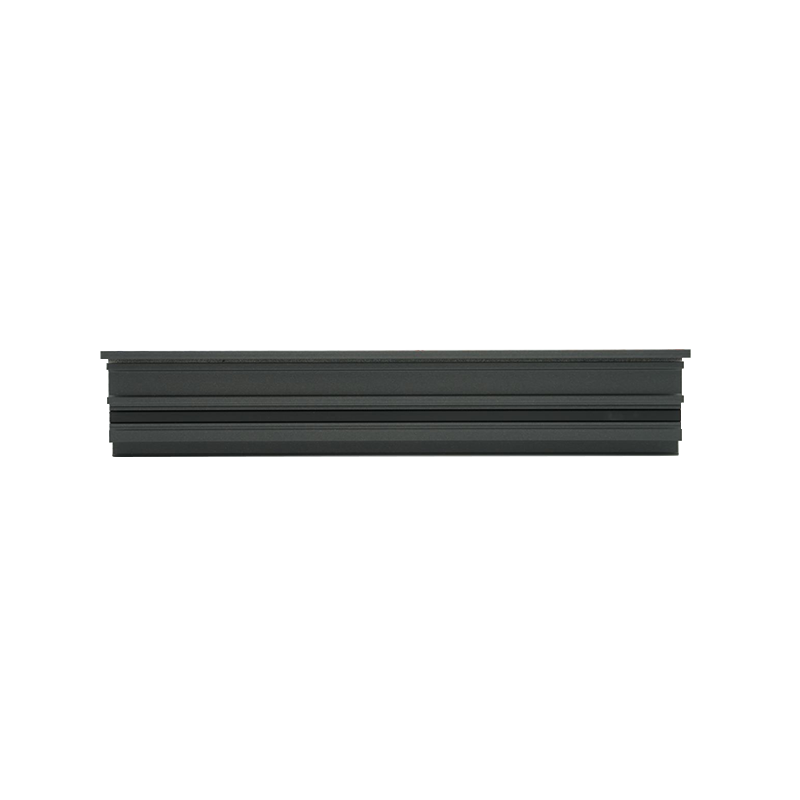 Sound and Heat Insulating Sliding Window Aluminum ProfileEngineered with multi-layer sealing and heat-insulating strips to reduce noise and energy loss. Smooth sliding operation and sturdy hardware make it suitable for residential and high-rise use.View Product →
Because the finish is grown at the atomic level, the process is as important as the profile design.
Extrusion, Aging, and Mechanical Finish
Extrusion creates the shape; T5 or T6 aging then locks the mechanical properties. Before anodizing, the profile can be brushed or polished. That mechanical texture remains visible after the oxide layer grows, so it should be chosen deliberately for the final look.
Degreasing, Etch, and Desmut
The profile is cleaned in an alkaline bath to remove rolling oil and handling smudges. The etch also exposes the alloy grain. If the etch time is too short, oil survives; if it is too long, a hazy layer forms. Desmutting follows with a nitric acid solution to remove the dark intermetallic particles left behind.
Anodizing and Sealing
A direct current in the electrolytic bath grows the oxide layer at roughly 0.5-1 micron per minute at 16-20 V. Sealing then closes the pores so the oxide cannot absorb dirt, salt, or cleaning chemicals. Nickel-acetate sealing is common; hot water sealing is used in facilities that restrict chemical discharge.
Because a clear coating gets its color from the metal itself, a project should stay on the same billet source and the same production run. Small batching differences otherwise appear as light or dark bands across the facade.
How to Specify and Check Clear Anodized Profiles Like a Pro
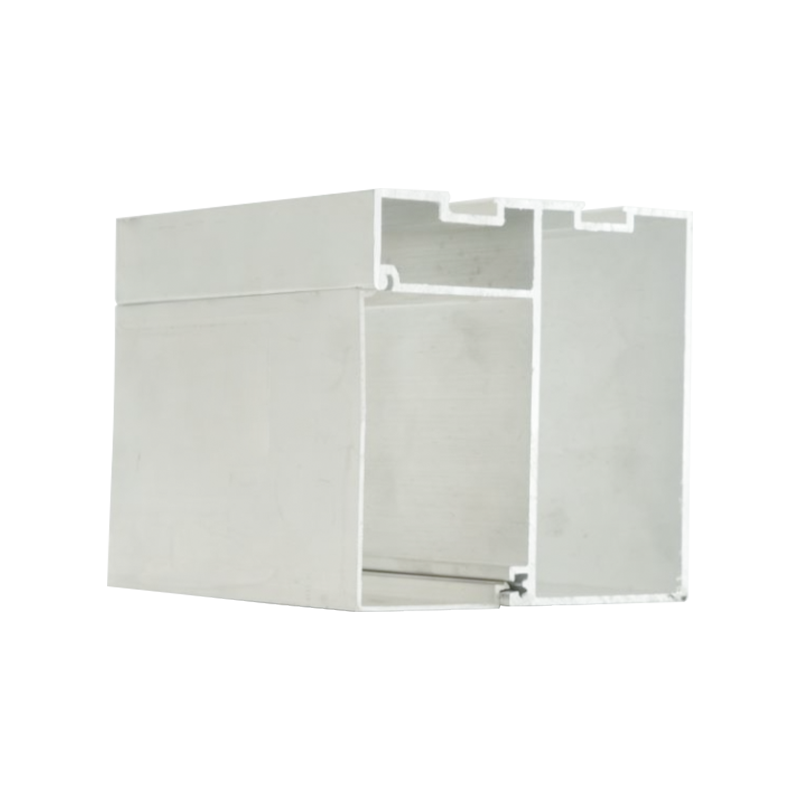
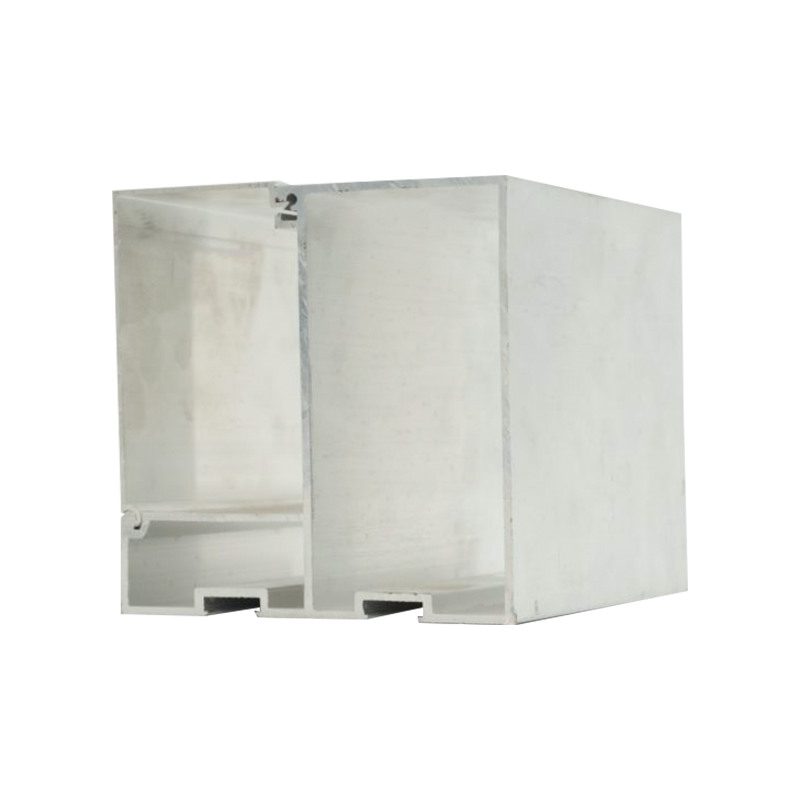 100 Series Aluminum Curtain Wall Profiles for Large FacadesPrecision-extruded from high-purity alloy for strong yet lightweight performance. Surface treatment options like anodizing or fluorocarbon ensure long-lasting color and corrosion resistance.View Product →
Two values are the starting point for a spec: coating class and thickness. Reference AAMA 611 or the equivalent national standard. For normal urban conditions, Class II at 18-20 microns is the baseline. If the site is within 10 km of the sea, or if industrial fumes can settle on the frame, choose Class I at 25 microns and write it into the contract.
| Inspection item | Acceptable value or note | Risk if neglected |
|---|---|---|
| Average oxide thickness | 18-20 microns, Class II | Early pitting and dulling |
| Local thickness at corners | At least 80% of average | Edge wear on mitered joints |
| Seal quality | No dye drop in 60 seconds | Staining and bleeding under rain |
| Surface texture | Fine matte, no drip lines | Visible patchiness without pigment |
| Mechanical damage | No cracks near radii | Exposed raw metal at cut points |
Wall thickness is a different decision, although it is equally visible to a fabricator. Before approving a profile, review the structural and airtightness values that the project demands. We have a guide on profile thickness requirements for doors, windows, and curtain walls that walks through the values used in common building projects.
Cleaning and Maintenance That Preserve the Finish
Two habits keep a clear anodic window looking right. First, wash with water and mild detergent. Use a soft cloth or a non-abrasive sponge, and rinse thoroughly. Second, in coastal or industrial zones, rinse the frames after a salt-laden storm or a period of heavy dust. Salt crystals left on the oxide can slowly pit the surface when the humidity rises.
Do not use oven caustics, hydrofluoric acid dressings, or metal-padding tools. A low-pressure pressure washer with a wide fan nozzle is safe, but the nozzle tip should stay at least 30 cm away from the glass edge so the spray cannot strip a tired gasket.
FAQ
Q1: What thickness of anodic coating is required for clear anodized windows?
For exterior window frames, 18-20 microns is the most common specification, corresponding to AAMA Class II. Heavy-duty or coastal projects usually move to 25 microns, which is AAMA Class I.
Q2: Can clear anodized windows be welded or machined after coating?
Not without damaging the oxide. Cut edges need to be repaired with a clear lacquer or an anodic repair solution, but a repaired area will never match the factory-grown oxide perfectly.
Q3: Does clear anodized aluminum turn yellow or fade?
It does not fade like organic pigments. Poor sealing and heavy salt exposure, however, can produce whitening or surface dullness over time. Proper sealing and regular rinsing keep the bright appearance.
Q4: How does clear anodized compare with powder coating on a window?
Powder coating gives a wide color range and generally higher impact resistance. Clear anodized gives a metallic look, no chipping, and a lower risk of delamination, but it is more sensitive to surface defects in the underlying extrusion.
Clear anodized aluminum windows are a good fit when an architect wants a metallic finish that keeps its character after years of weather. The conditions for a successful installation are straightforward: consistent billet quality, a controlled pre-treatment, and the right coating class for the exposure. If your project needs custom window or curtain-wall profiles, discuss the coating spec early with the extruder. A supplier that understands alloy response and process control will help you avoid a visually split facade, and that conversation is usually cheaper than a rework cycle.