ENG
 English
 русский
 中文简体
 Español
 Indonesia

Imagine a curtain wall that must stay clean and corrosion-free for 20 years, or a heat sink that faces industrial salt spray and constant vibration. Anodized finish aluminum is often the specification, not because it is a new trend, but because the oxide layer is grown from the metal itself. The practical result is a surface that resists corrosion, scratches, and UV fading without peeling or blistering. The key to a successful outcome is choosing the right alloy, film thickness, and sealing process for the real operating environment.
What an Anodized Finish Aluminum Surface Really Is
Anodizing is an electrochemical conversion process. The aluminum part is placed in an electrolyte bath and acts as the anode; when current flows, oxygen is released at the surface and reacts with aluminum to form aluminum oxide. This oxide layer is an integral part of the extrusion, not a coating applied on top. That difference explains most of the performance advantages.
The Structure of a Practical Anodic Film
A typical anodized layer for architectural use is between 5 and 25 microns thick. The layer has a thin, barrier-like inner portion and a porous outer portion. The porous structure allows the surface to accept dyes or a clear sealant, and after sealing it becomes dense and stable. For industrial components with heavier wear demands, film thicknesses of 30 to 50 microns can be specified.
Anodizing Is Not a Painted Surface
Paint and powder coat sit on top of the metal. Anodized finish aluminum is the aluminum itself, transformed. That is why anodized surfaces do not blister, peel, or flake even after prolonged UV exposure, thermal cycling, or contact with strong cleaning agents.
Why Anodized Finish Aluminum Performs Well
From a procurement standpoint, anodized finish aluminum offers four measurable benefits: corrosion resistance, wear resistance, electrical insulation, and a stable metallic appearance. In architectural applications, anodized profiles need very little maintenance, and in industrial settings they can be cleaned with aggressive degreasers without damaging the oxide layer.
The table below compares anodized surfaces with two common organic coating methods.
| Property | Anodized Finish | Powder Coating | Wet Paint |
|---|---|---|---|
| Bonding to substrate | Electrochemical conversion | Physical adhesion | Physical adhesion |
| Peeling or blistering | None | Possible under humidity or impact | Possible if prep is inadequate |
| Surface hardness | High (oxide layer) | Moderate | Low |
| Recycling | No coating removal needed | Must be stripped | Must be stripped |
The oxide layer also acts as a dielectric, which is beneficial when aluminum profiles are mounted near conductors or when galvanic corrosion between dissimilar metals is a concern.
Alloy Selection: 6063-T5 vs 6061-T6
The alloy you choose before anodizing affects the material's mechanical performance and the appearance of the finished surface. 6063-T5 is the workhorse for architectural profiles, because it extrudes cleanly and reacts uniformly during anodizing, giving a smooth, consistent finish. 6061-T6 offers higher strength and better machinability, but its silicon and magnesium levels can influence the tint of the anodized layer.
For a detailed comparison of properties, you can read our article on the differences between 6063-T5 and 6061-T6. In practice, 6063-T5 is the safer choice when color uniformity matters across long runs; 6061-T6 is acceptable for structural parts if you verify color tolerance with the supplier before production.
Also keep in mind that any machining or welding operations can change the local alloy structure, and subsequent anodizing will reveal those changes as dark or hazy spots on the surface.
Film Thickness, Sealing, and Color Consistency
Not every anodized finish delivers the same protection. Architectural specifications commonly use the AA system: AA10, AA15, AA20, and AA25 represent minimum film thicknesses in microns. For exterior building elements, AA15 is the minimum recommended starting point, and AA20 or AA25 is preferred in coastal, industrial, or heavily polluted environments.
Sealing Determines the Real Performance
The porous layer grown during anodizing must be sealed to be corrosion-resistant. Hot water sealing converts the surface into a dense hydrated oxide; cold sealing uses metal salts to plug the pores. An incomplete seal can let the surface absorb moisture and dirt, causing a dull appearance and pitting. When you request quotes, ask the supplier to confirm the sealing process and the seal quality test used.
Managing Batch-to-Batch Color
Anodized color is created through electrolytic coloring or dyeing. It is influenced by alloy chemistry, bath temperature, current density, and anodizing time. For large facade projects, a practical visual tolerance is Delta E of 2 or less between batches. If your supplier cannot guarantee that number, the finished curtain wall may look patchy.
Anodized Finishes for Architectural Aluminum Profiles
Architectural profiles for curtain walls and doors must hold their appearance for the design life of the building. Anodized finish aluminum responds to weathering by slowly forming a stable oxide layer that actually protects the metal; it does not chalk or fade like organic coatings. For commercial curtain walls, clear, champagne, and black anodized finishes are the most common choices.
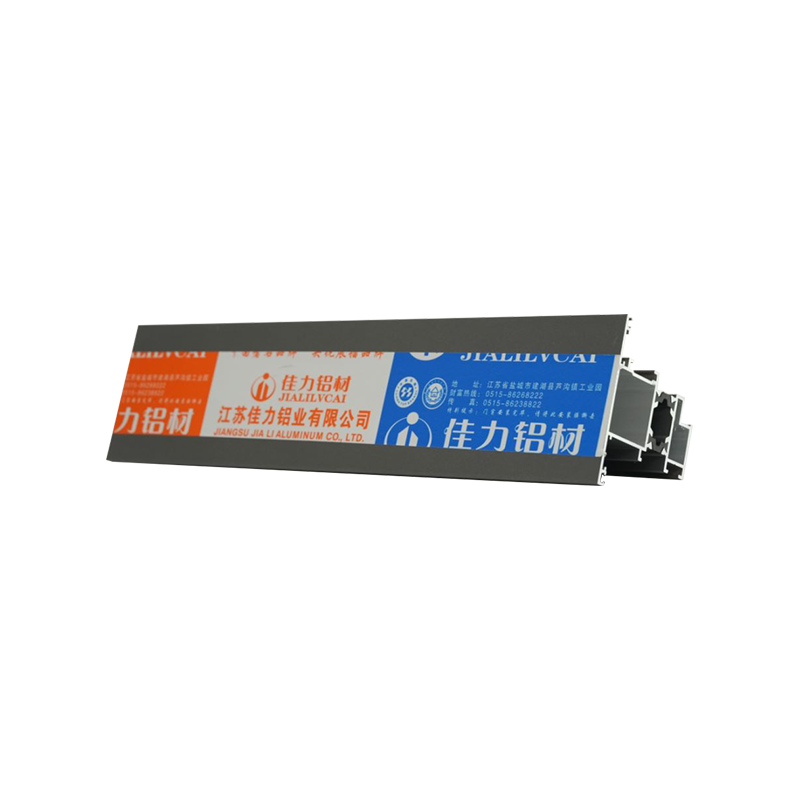
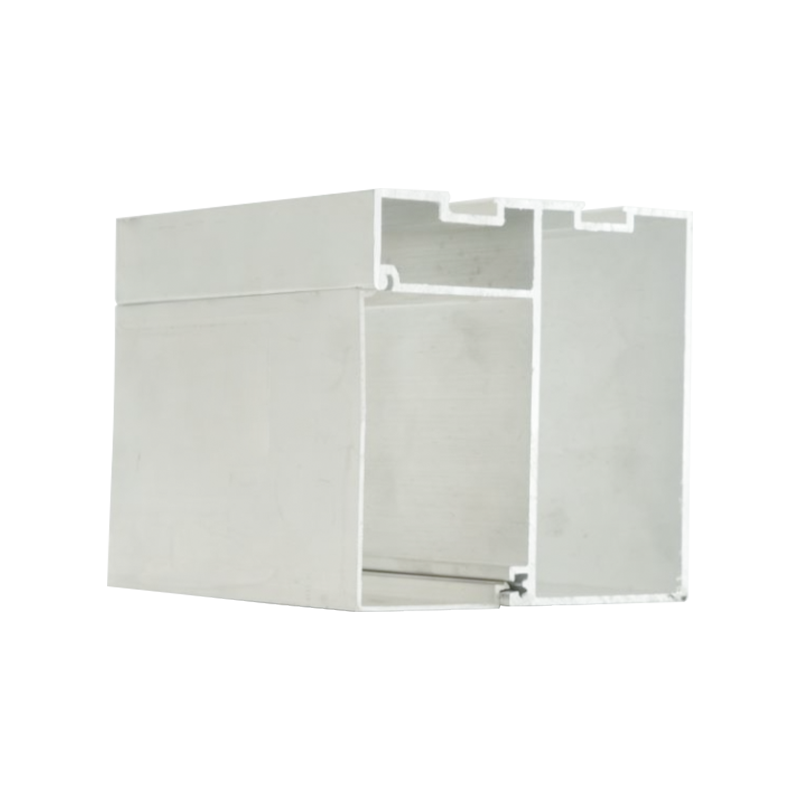
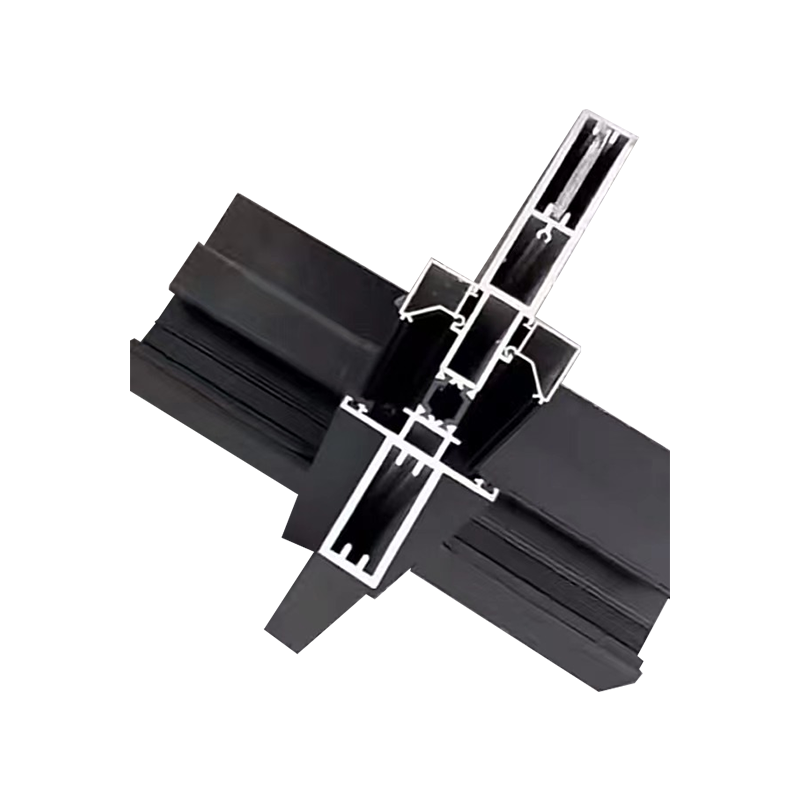
Our 100-series curtain wall profiles are designed for glass curtain wall systems. When specified with an AA15 or thicker anodic coating, they maintain their structure and color even when exposed to frequent cleaning and urban pollution.
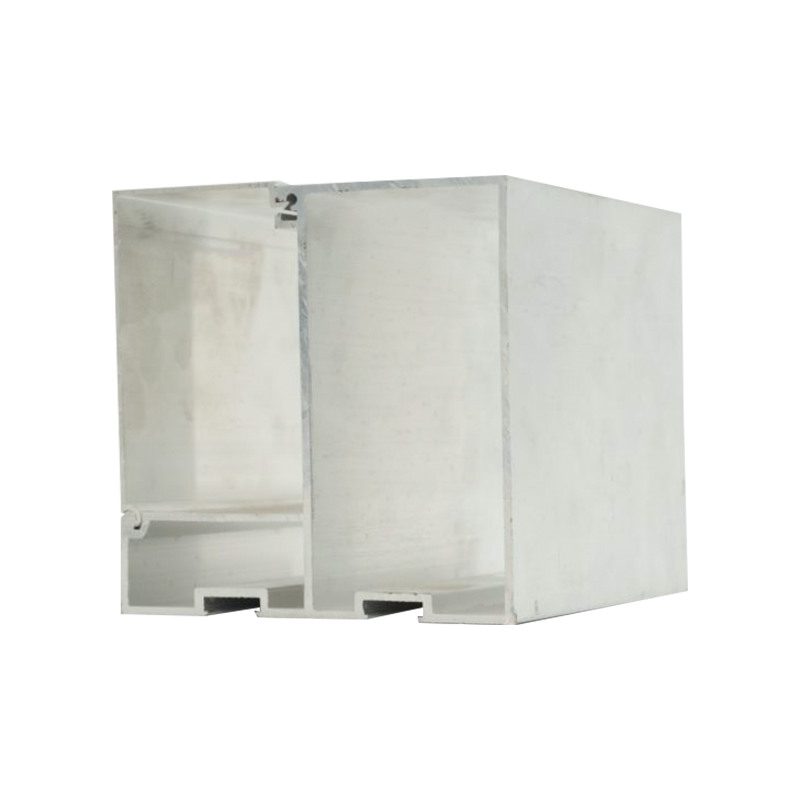 100 Series Aluminum Curtain Wall Profiles with Anodic CoatingThese profiles offer structural strength and lightweight design, with an anodic coating that withstands frequent cleaning and urban pollution, reducing maintenance costs in public projects.View Product →
In covered walkways, ventilation louvers, and decorative frames, anodized finish aluminum also eliminates the maintenance cost of repainting, making it a popular specification in public projects.
Anodized Aluminum for Industrial Heat Sinks
Heat sink performance is driven by the profile geometry and the surface condition. A black anodized finish increases radiant heat transfer and protects the fin edges from handling damage. In electronics cabinets, anodized heat sinks resist the effects of humidity, condensation, and airborne dust that can corrode bare aluminum.
Our serrated radiator profiles provide a high surface area for thermal dissipation. After anodizing, the oxide layer acts as a wear-resistant surface during assembly and service, and it also prevents the formation of galvanic couples when the heat sink contacts copper components.
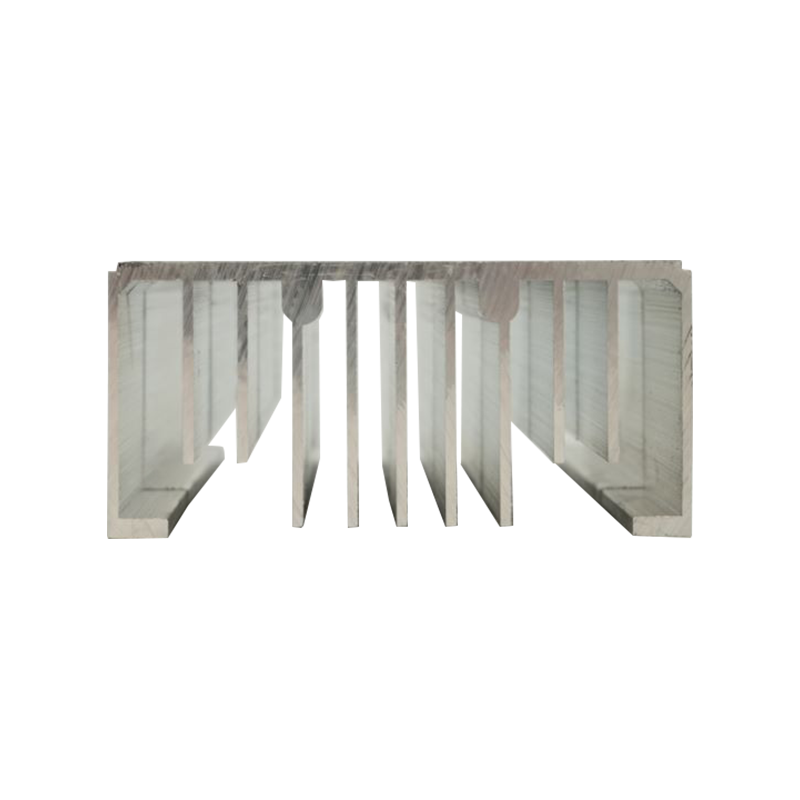 Serrated Radiator Aluminum Profiles for Enhanced Heat DissipationThe serrated fin design maximizes heat transfer and promotes airflow efficiency. After anodizing, the oxide layer provides wear resistance and prevents galvanic corrosion when contacting copper.View Product →
For critical thermal management applications, the supplier should also check that the anodizing tank holds the same alloy grade and tempers across a production batch, because alloy variation can cause inconsistent film thickness and finish color.
Anodized Rods and Tubes as Raw Material
Not all anodized aluminum is used as finished profiles. Anodized aluminum round bar and round tube are frequently purchased as stock that will later be cut, drilled, or turned into components. The pre-anodized surface gives the finished part a protective, hard-wearing layer without a separate coating operation, which reduces total manufacturing time and cost.
Our aluminum round bar is available in multiple diameters and alloy conditions. For pins, bushings, and connector bodies, a clear anodized finish reduces the risk of galling against stainless steel shafts and provides a uniform metallic look that is easy to clean.
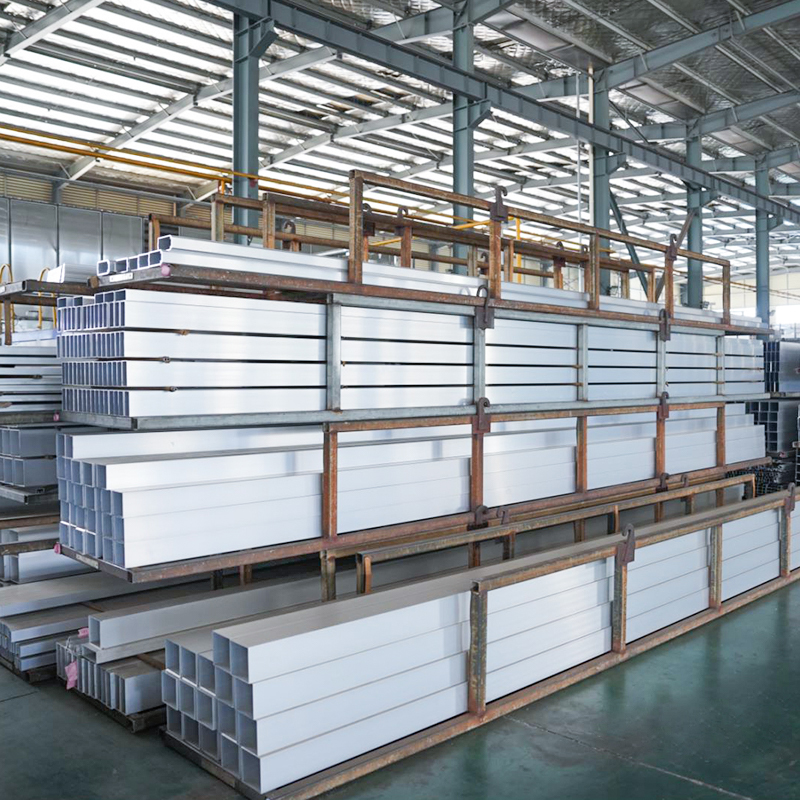 Anodized Aluminum Round Bar for Machined ComponentsAvailable in multiple diameters and alloy conditions, the clear anodized finish reduces galling against stainless steel shafts and offers a uniform, easy-to-clean metallic appearance for pins and bushings.View Product →
If you order anodized bar stock for machining, keep in mind that the oxide layer is removed at the cut face. A chamfer or edge preparation may be required to maintain the corrosion resistance and aesthetics at trimmed ends.
Quality Control and Procurement Considerations
When comparing quotes for anodized finish aluminum, focus on what can be verified rather than on cosmetic claims. Key purchase risks are inconsistent film thickness, color mismatch between batches, and surface defects that were originally hidden by the anodic layer but appear after final machining.
What to Ask Your Supplier
- What is the guaranteed minimum film thickness, and can you provide a test report?
- What sealing process do you use, and does it pass the standard seal quality test?
- What is your color tolerance (Delta E) between production batches?
- Do you maintain a separate anodizing line for different alloys to avoid contamination?
In our own production, we use carefully controlled extrusion parameters and verify the alloy composition before anodizing. This minimizes the appearance of streaky anodized finishes and helps us deliver consistent color to projects that demand a uniform architectural look.
Anodized Finish Aluminum FAQs
Below are a few common questions we hear from engineers and purchasing teams.
Q1: Can any aluminum alloy be anodized?
Most alloys can be anodized, but the appearance and film formation vary. 6063 and 6061 are common architectural and industrial choices; high-silicon casting alloys tend to produce darker or gray anodized finishes and are less suitable for decorative products.
Q2: Does anodized aluminum rust?
Aluminum does not rust in the same way as steel. The anodic oxide layer prevents most corrosion, but if exposed to aggressive chloride environments, the oxide can break down locally. That is why a thicker film (AA20/AA25) is recommended for coastal locations.
Q3: Can I weld anodized aluminum?
Welding destroys the anodic layer in the weld zone. The oxide must be removed in the weld area and the part may be re-anodized or finished after welding if appearance matters.
Q4: What is the difference between anodized aluminum and powder-coated aluminum?
Anodized aluminum has a converted oxide layer that cannot peel; powder coating is a polymer layer on top that can chip or peel. Anodized finishes also retain the metallic look, while powder coating provides a broader palette of opaque colors.