
 ENG
ENG
 English
 русский
 中文简体
中文简体 Español
 Indonesia
 21 Sep,2026
How to Build a Glass Cabinet Door with Aluminum Frames – Step-by-Step Guide
You have just finished a custom bar cabinet or a display unit for the dining ro...


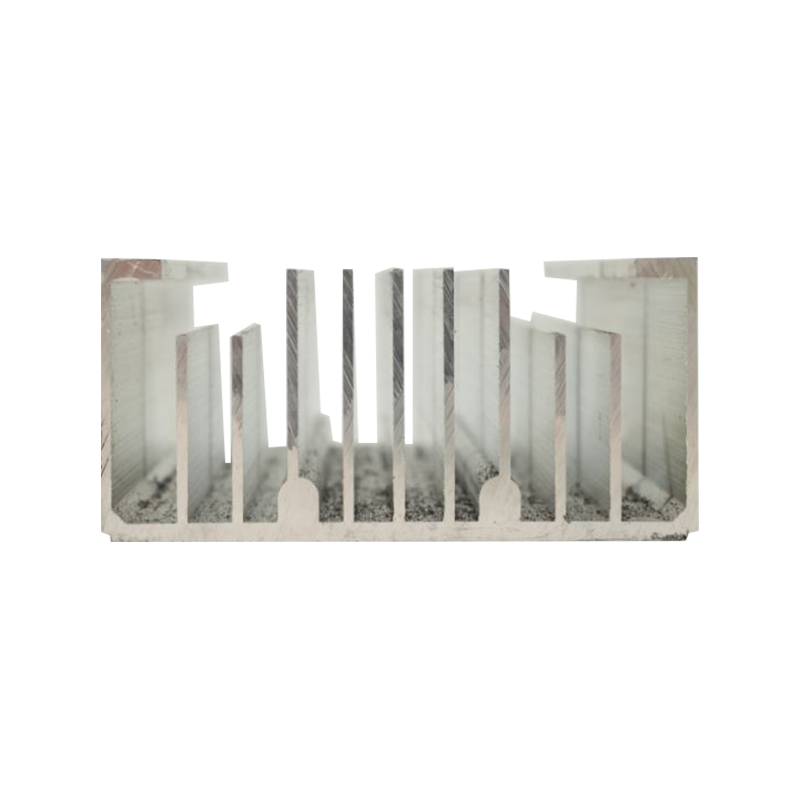
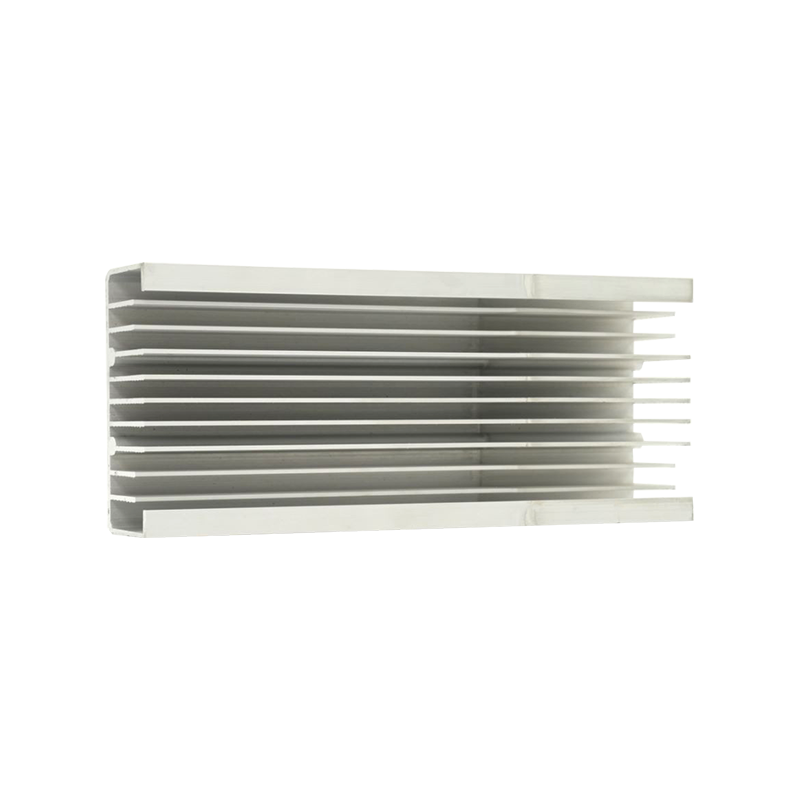
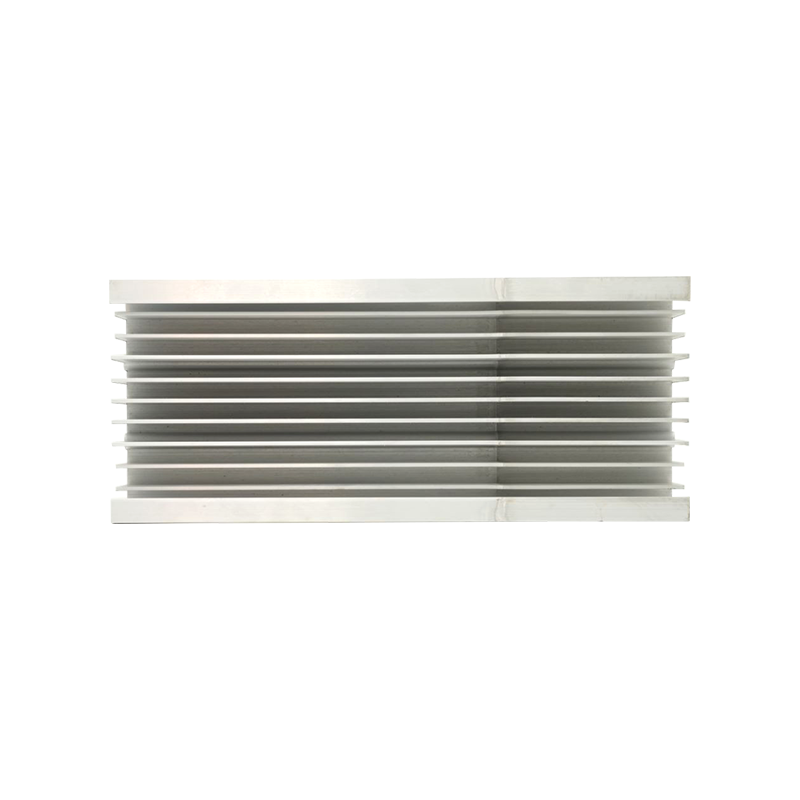
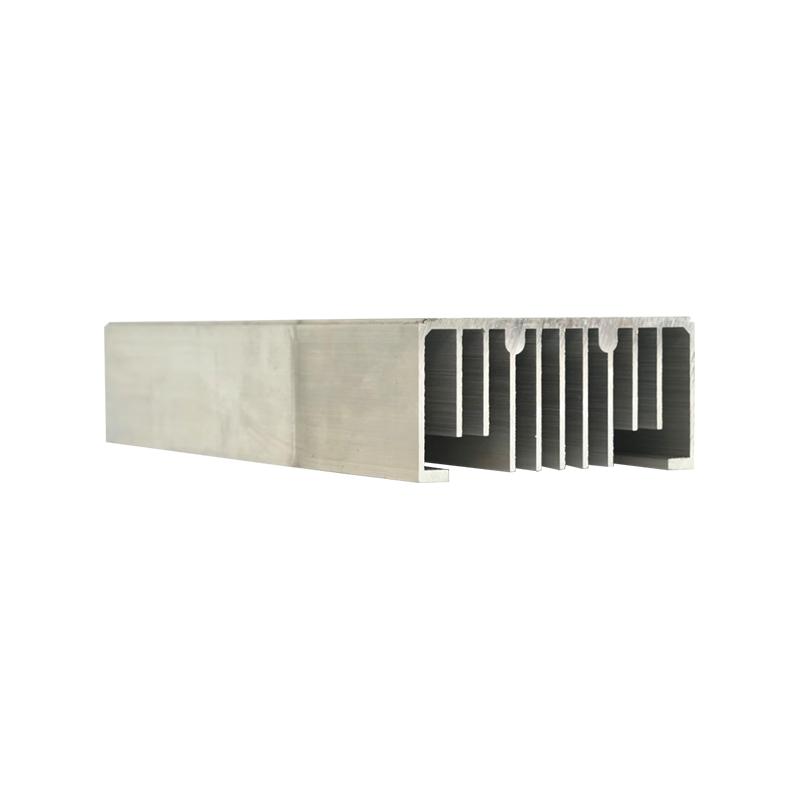
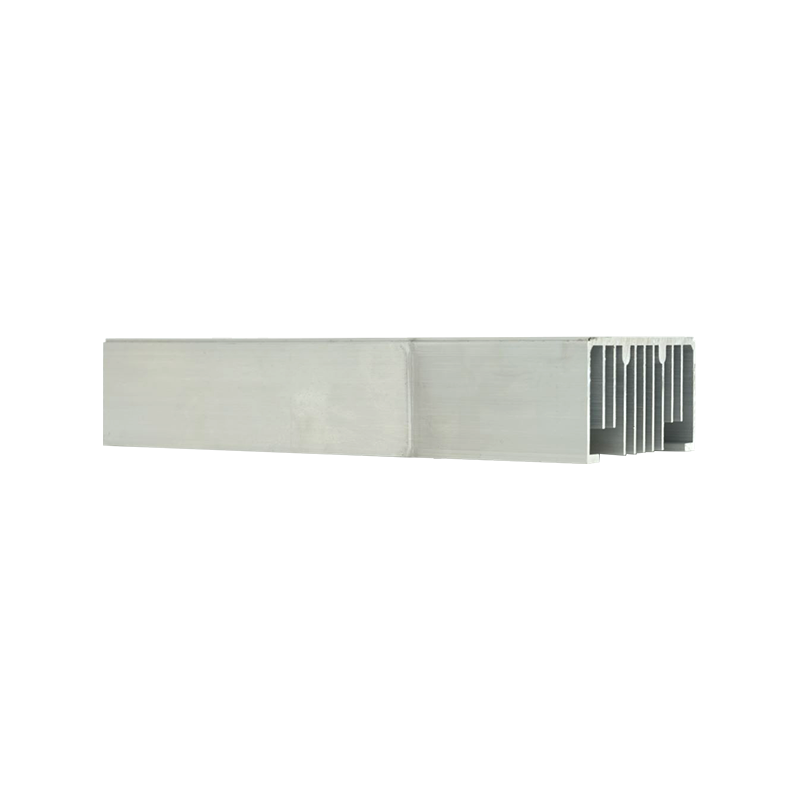
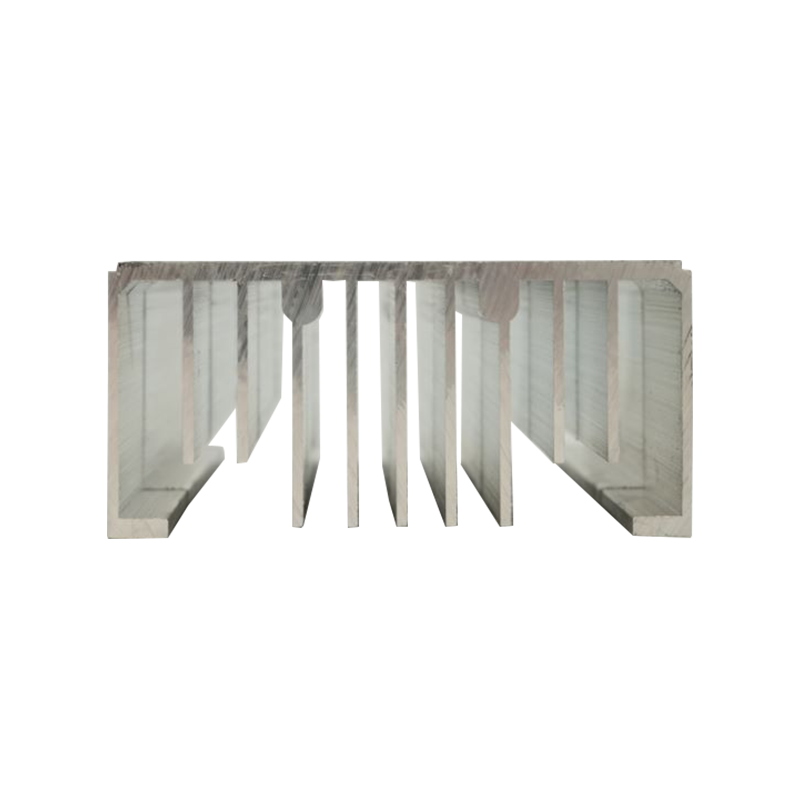
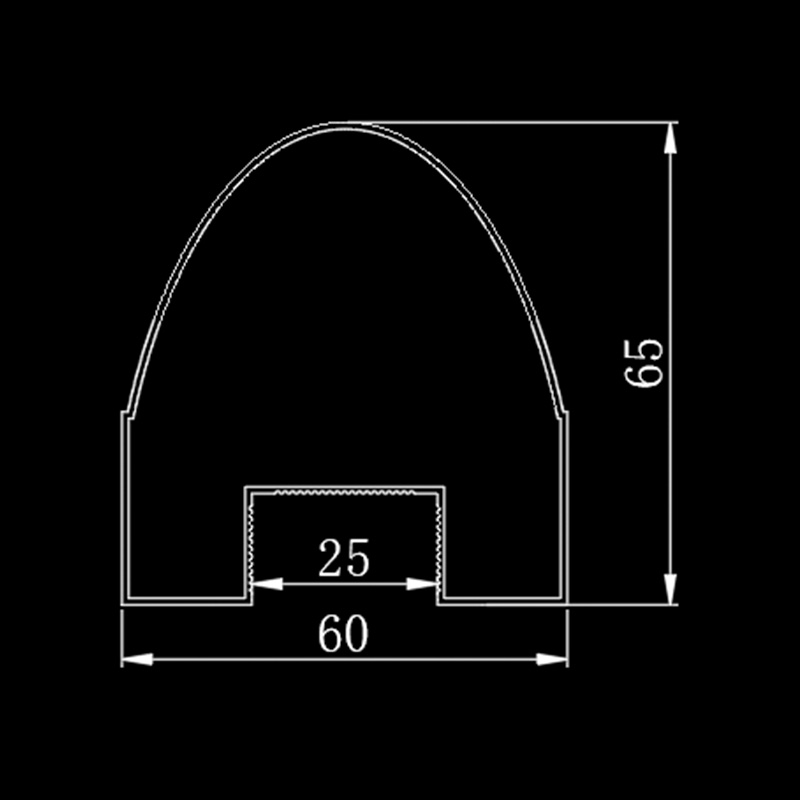
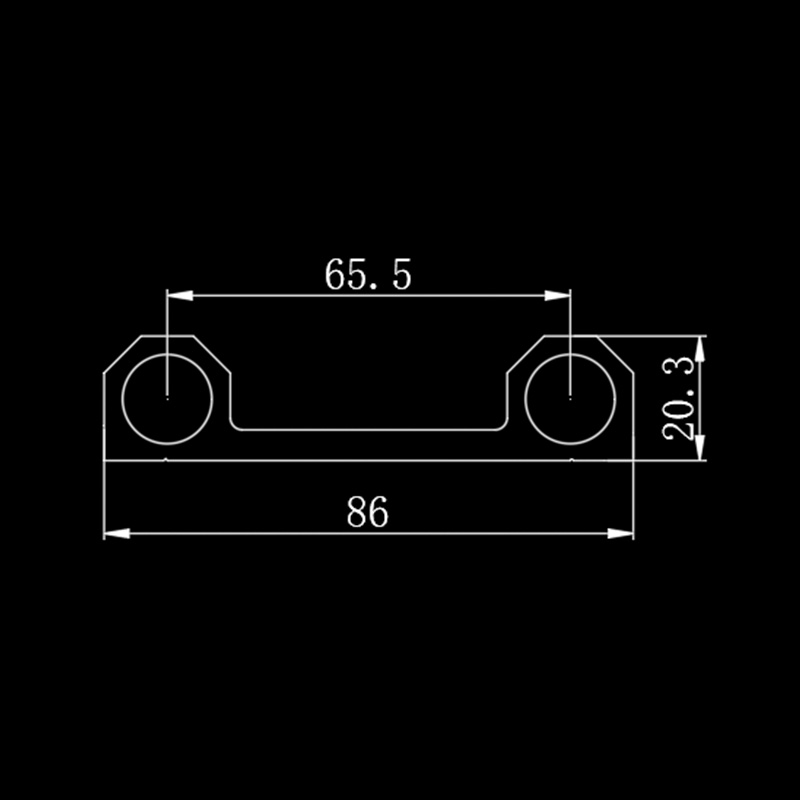
The Serrated Radiator Aluminum Profile is designed with a unique serrated fin structure that significantly increases the surface area for heat dissipation, enabling heat to transfer more efficiently to the surrounding air. This aluminum profile design promotes the vortex airflow effect, enhancing air velocity and ensuring efficient heat exchange, even under low airflow conditions. Combined with high-performance silent fans, dynamic balancing, and low-noise bearings, the profile ensures superior cooling performance while maintaining quiet operation. Constructed from high-quality aluminum alloy, precision-processed, and treated for anti-corrosion, the profile offers durability, structural stability, and long-term aesthetic appeal. Its design also allows for easy installation, cleaning, and maintenance, making it both practical and reliable for various applications.
Enhanced Heat Dissipation:
The serrated fins on the aluminum profile maximize the heat transfer surface, significantly improving cooling efficiency.
Optimized Airflow:
The serrated structure creates a vortex airflow, increasing air velocity and heat exchange efficiency even at lower fan speeds.
Silent Operation:
When paired with low-noise fans and dynamic balancing technology, the aluminum profile contributes to a quiet cooling system.
Durable Aluminum Construction:
Made from high-grade aluminum alloy, with precision machining and anti-corrosion surface treatment, the profile maintains stability and appearance over long-term use.
User-Friendly Design:
The profile is designed for easy installation, and its structure allows simple cleaning and maintenance.
Aesthetic Design:
The serrated profile not only enhances thermal performance but also adds a modern and stylish look, with optional finishes or colors to match various chassis designs.
Applications:
| Feature | Serrated Radiator Aluminum Profile | Standard Aluminum Profile |
|---|---|---|
| Heat Dissipation Efficiency | High, due to serrated fins and vortex airflow | Moderate, flat fins limit airflow |
| Noise Level | Low, compatible with silent fan systems | Higher, often lacks noise optimization |
| Material Quality | High-grade aluminum alloy with anti-corrosion treatment | Standard aluminum alloy |
| Installation & Maintenance | User-friendly design, easy cleaning | Standard design, may require tools |
| Aesthetic Appeal | Modern serrated design, optional finishes | Plain, minimal design options |
| Application Scope | PC, industrial, custom builds | General cooling or structural applications |
A: The serrated fins increase the heat transfer surface and promote vortex airflow, enhancing cooling efficiency even at low air speeds.
A: Yes, it includes intuitive guides and compatible tools, making installation simple for users of all experience levels.
A: Yes, when combined with low-noise fans and dynamic balancing, it ensures silent operation.
A: Yes, the profile is made from high-quality aluminum alloy with anti-corrosion surface treatment, ensuring durability in harsh environments.
A: Yes, the aluminum profile comes in different colors and finishes, allowing for personalized aesthetic matching.
Products provided by famous enterprises are deeply trusted by users.
Years Industry Experience
Factory Area
Current Staff
Annual Output
Our products have obtained, include EC-Type Examination Certificate, BV, MODE, DNV, GL Certificate, EC Attestation of Conformity, Certificate of Type Approval for Marine Product and Lloyd’s Register Quality Assurance.
21 Sep,2026
17 Sep,2026
10 Sep,2026
03 Sep,2026
25 Aug,2026
20 Aug,2026
In modern industry and technology, heat dissipation has always been one of the key factors affecting equipment performance and life. In order to solve this challenge, engineers continue to explore and develop new heat dissipation devices. Among them, the serrated radiator has gradually attracted widespread attention in the industry with its unique design and efficient heat dissipation performance.
Serrated radiator refers to a new type of heat dissipation device with a serrated structure design on the surface of the radiator. This design not only increases the heat dissipation area, but also improves the heat dissipation efficiency by optimizing the airflow path. Serrated radiators are usually used in equipment such as automobiles, computers, air conditioners and heating systems, and are indispensable components in these devices.
The characteristics of serrated fin extruded aluminum heatsinks are mainly reflected in the following aspects:
Increase heat dissipation area: The serrated structure makes the surface of the radiator no longer flat, but forms a series of raised tooth structures. These tooth structures greatly increase the surface area of the radiator, thereby increasing the heat dissipation rate.
Optimize airflow path: The serrated design can guide the airflow through the radiator more smoothly, reducing the turbulence and vortex phenomenon of the airflow. This optimized airflow path not only improves heat dissipation efficiency, but also reduces noise and energy consumption.
Improve structural strength: The serrated structure can increase the overall strength of the radiator, making it more durable. This is especially important for equipment that needs to run for a long time.
In the automotive industry, aluminum serrated fins heatsink are widely used in vehicle cooling systems. Traditional radiators often suffer from poor heat dissipation efficiency due to poor airflow, while serrated radiators effectively solve this problem by optimizing the airflow path. In addition, serrated radiators also have good corrosion resistance and high temperature resistance, and can operate stably under harsh working conditions.
In the field of electronics, with the continuous improvement of computer and server performance, heat dissipation problems have become increasingly prominent. Serrated radiators have become the preferred solution for heat dissipation systems in these devices due to their efficient heat dissipation performance and stable operation performance. By adopting serrated fin extruded aluminum heatsink, the operating temperature of computers and servers is effectively controlled, thereby improving the stability and reliability of the equipment.
With the continuous advancement of science and technology, serrated aluminum finned tubes are also constantly innovating and developing. For example, some advanced serrated radiators use nanomaterials and composite structures to further improve heat dissipation efficiency and durability.
In addition to the innovation of materials and structures, the design and manufacturing process of the serrated heat sink are also being continuously optimized. For example, the use of advanced numerical simulation and simulation technology can accurately predict and optimize the performance of the serrated heat sink. This not only shortens the product development cycle, but also improves the reliability and market competitiveness of the product.

