
Custom Aluminum Extrusion Customized
Custom aluminum extrusion is a manufacturing process in which aluminum billets are heated and forced through a purpose-built die to form a profile with a specific, non-standard cross-section. Unlike stock profiles selected from a catalog, custom extrusion allows the cross-sectional geometry to be engineered around a defined mechanical, thermal, or assembly requirement, making it a common choice for architectural systems, industrial equipment framing, transportation components, and electronic enclosures.
The main value of this approach lies in design consolidation. Features such as fastener channels, heat-dissipation fins, sealing grooves, or wire-management cavities can be built directly into the profile geometry, reducing the number of discrete parts and simplifying downstream assembly. Because tooling is developed specifically for the application, custom extrusion is best suited to projects where profile geometry has a direct impact on product performance or manufacturing efficiency.
Design and Tooling Process for Custom Aluminum Extrusion
Developing a custom profile typically begins with a technical drawing or 3D model that defines the cross-section, wall thicknesses, and any functional features. This information is used to design and build an extrusion die, after which a first-article sample is produced for dimensional and functional verification before full production begins.
- Cross-section drawing or CAD file with critical dimensions clearly marked
- Functional requirements such as load path, sealing points, or mounting features
- Target alloy and temper, if already determined by the application
- Sample approval step prior to volume production release
Material and Alloy Considerations
Alloy family selection generally balances strength, corrosion resistance, and finishing compatibility. Heat-treatable alloys are common for structural or load-bearing profiles, while other families are chosen when corrosion resistance or high formability is the priority.
Surface Finishing Options
Common finishing methods include mill finish for internal or non-visible parts, anodizing for wear and corrosion resistance with a decorative surface, and powder coating where a specific color or added weather resistance is needed.
Installation and Handling Guidance
Custom profiles should be stored on flat, padded racks to avoid bowing or surface scratching. Cutting is typically done with fine-tooth blades to maintain edge quality, and joining methods range from mechanical fasteners to welding, depending on alloy and design.
Application Adaptability
Custom extrusion profiles are used across architectural framing, LED and electronics heat sinks, machine and equipment framing, transportation trim, and furniture structures, wherever a tailored cross-section improves fit or function.
Note for project planning: die development adds lead time and tooling cost compared with stock profiles. For lower-volume or early-stage projects, it is worth confirming whether an existing standard section can be adapted before committing to a fully custom die.
Comparing Custom Extrusion With Related Manufacturing Options
| Option | Design Flexibility | Typical Lead Time | Best Fit Use Case |
|---|---|---|---|
| Custom Aluminum Extrusion | High, purpose-built cross-section | Longer, due to die development | Recurring parts needing integrated features |
| Standard Stock Profile | Limited to existing shapes | Shorter, no tooling needed | General framing or low-volume needs |
| Machined Aluminum Component | High, but limited by stock shape | Moderate, depends on complexity | Low-volume, highly complex geometry |
Key Considerations for Procurement Teams
- Confirm whether tooling cost is amortized into unit pricing or charged separately
- Request the expected lead time for die development and first-article sampling
- Clarify minimum order quantities tied to the custom tooling
- Ask how dimensional conformance will be documented before mass production
- Discuss packaging requirements to prevent transit damage to finished profiles
Frequently Asked Questions
A cross-section drawing or CAD file with key dimensions, an indication of functional requirements, and a target alloy or performance expectation are generally sufficient to begin die design discussions.
Die development timelines vary with profile complexity, but they are consistently longer than sourcing a standard stock profile, since a new tool must be designed, built, and validated with a sample run.
Yes. Extruded profiles are commonly cut to length, drilled, tapped, or CNC machined after extrusion to add features that cannot be formed directly in the die.
Minimum order quantities are generally influenced by tooling amortization and production efficiency, so they should be confirmed directly with the supplier for the specific profile design.
A first-article sample is typically measured against the original drawing, with functional fit checks performed where the profile interfaces with other components, before the order proceeds to full production.
Most custom profiles can be finished with anodizing, powder coating, or left in mill finish, though the choice may be influenced by the alloy selected and the intended operating environment.
Checker plate products in stock
A selection of the checker plate items available under this topic.
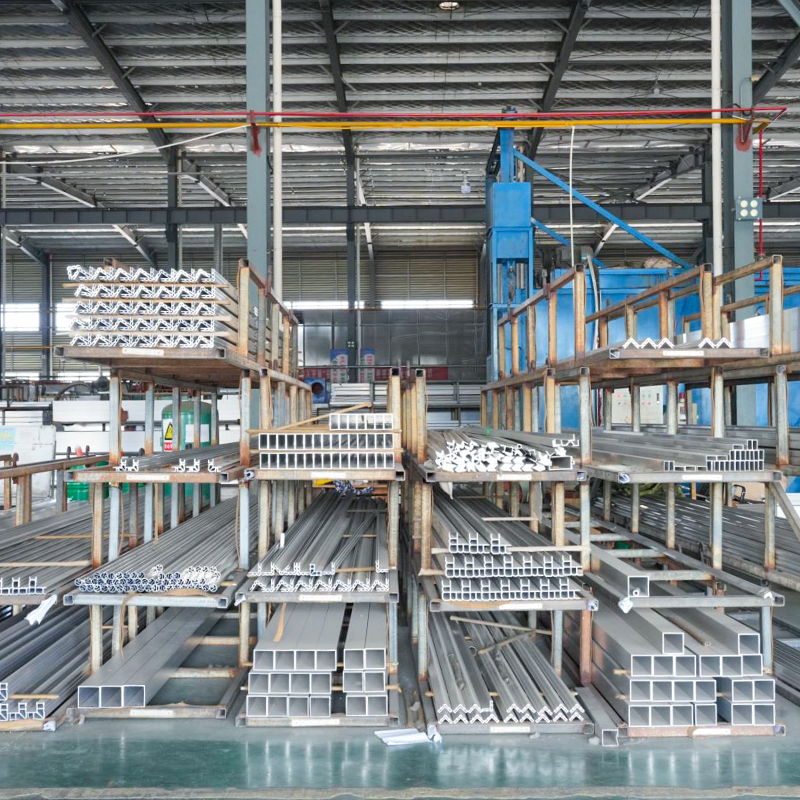
Aluminum square tube
Aluminum square tubes are made of high-quality aluminum alloy materials. With its unique square cros...
View More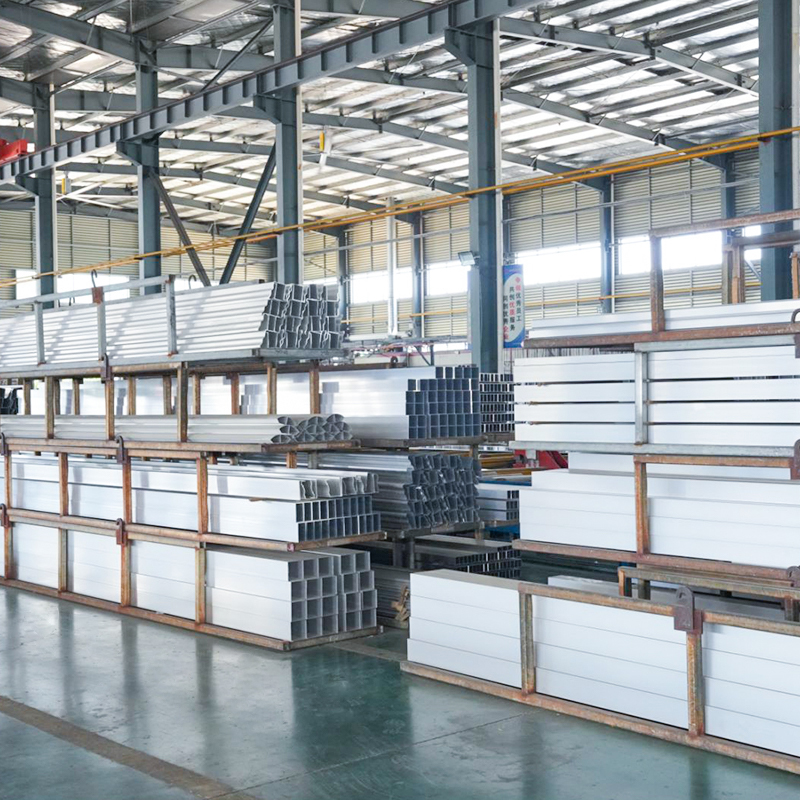
Aluminum round tube
Aluminum alloy material gives aluminum round tubes the characteristics of light weight and high stre...
View More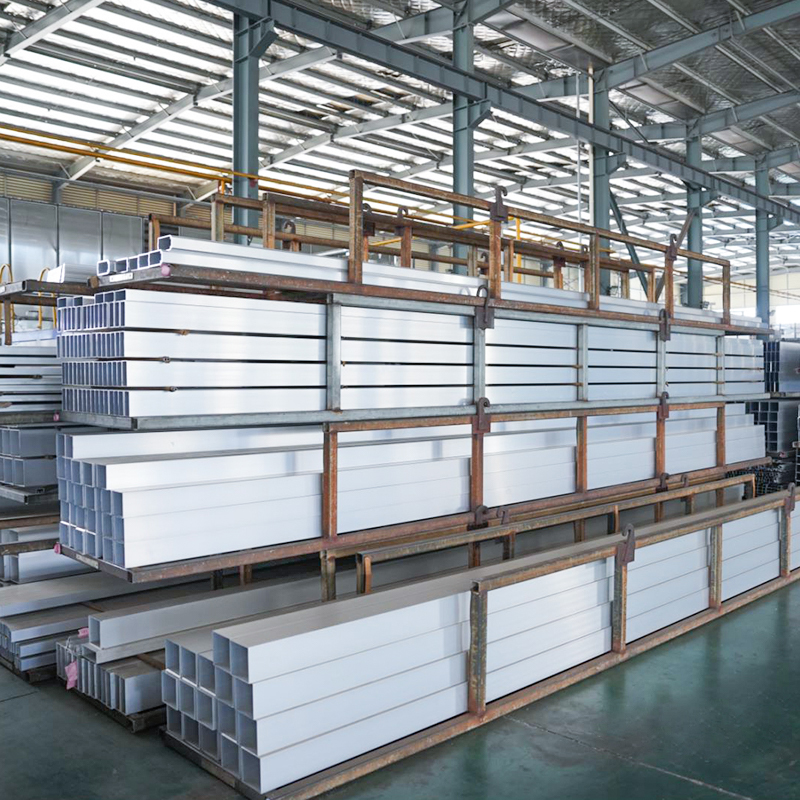
Aluminum round bar
The surface of aluminum round bars has been specially treated to effectively resist oxidation and co...
View More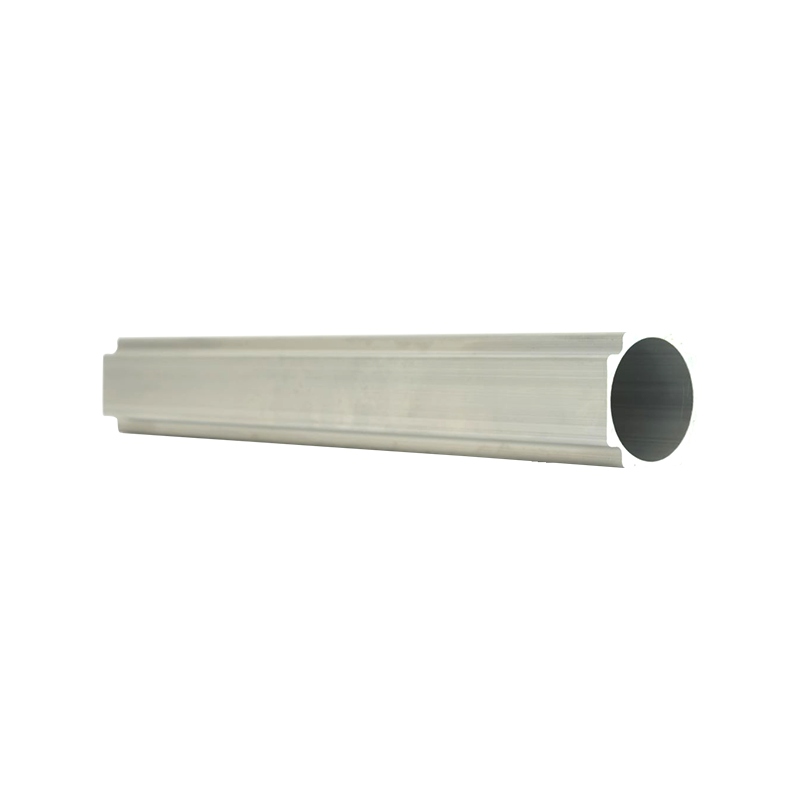
New energy vehicle battery shell floor aluminum profile
The aluminum profile of the floor of the battery shell of new energy vehicles adopts an integrated s...
View More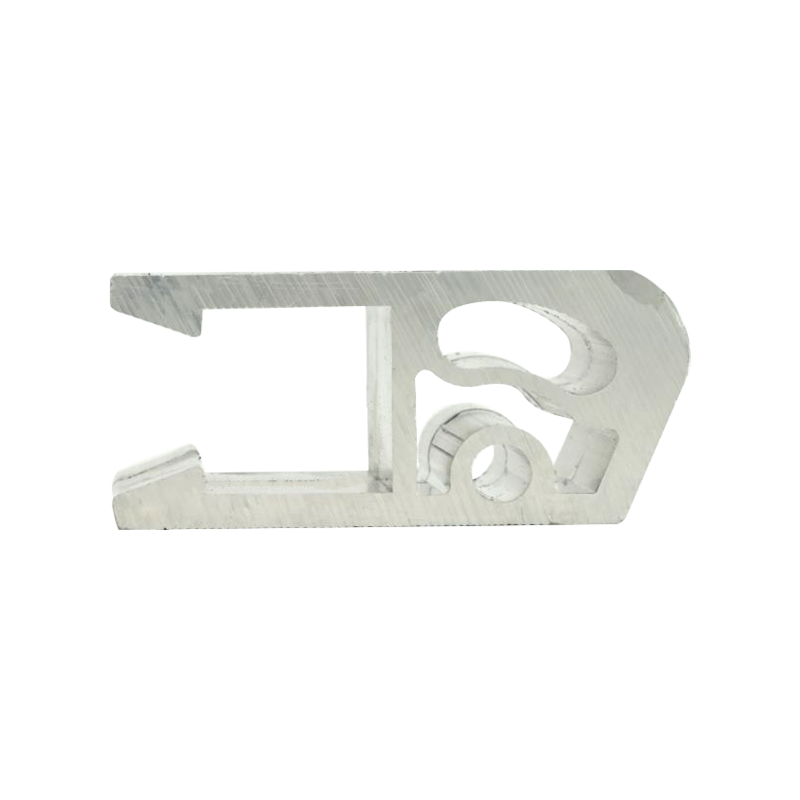
Aluminum profiles
The sleeve-type aluminum profile is made of high-quality aluminum alloy material and is processed th...
View More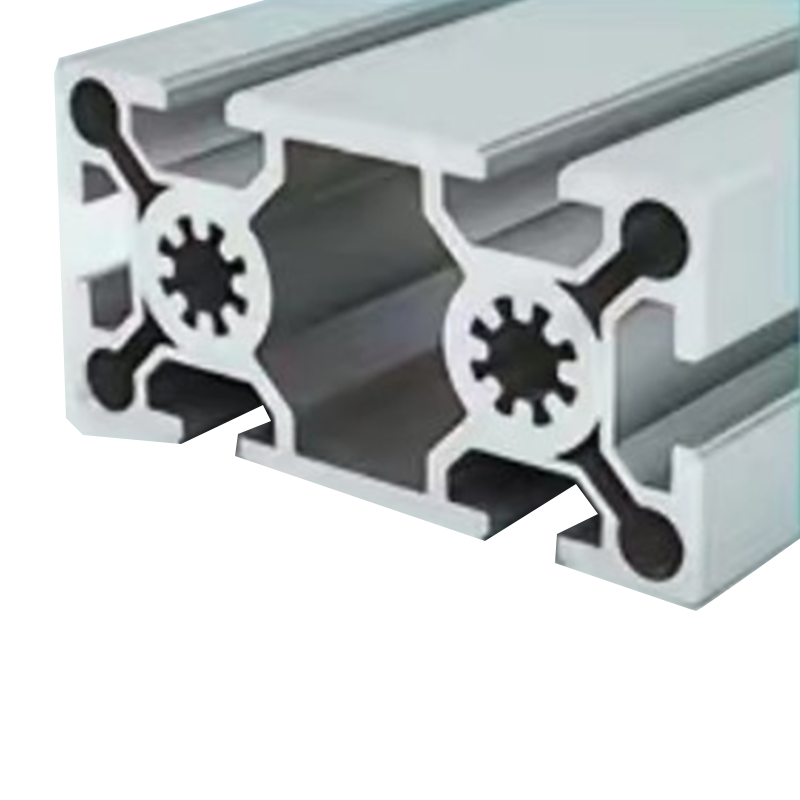
40*80 Flow aluminum wire profile
40*80 wide rectangular tube:Wide design: The unique 40mm wide side and 80mm long side provide a wide...
View More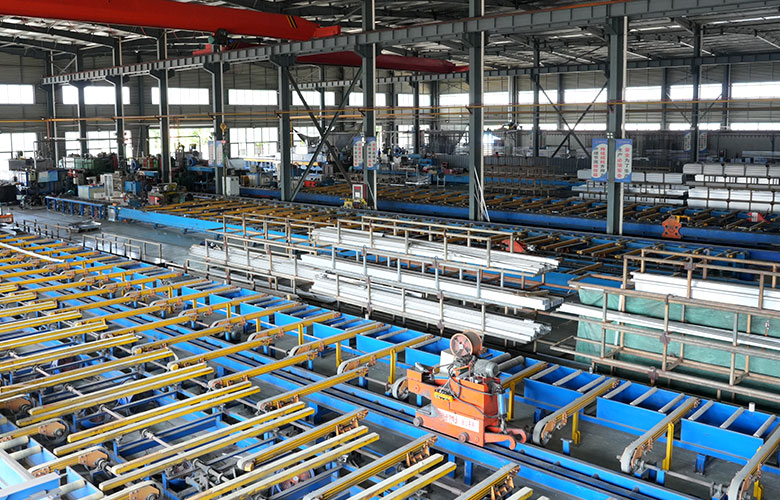
Professional OEM & ODM Manufacturer of Precision Aluminum Profiles
Jiangsu Jiali Aluminum Co., Ltd. operates advanced manufacturing bases spanning over 100 acres in Yancheng, Jiangsu. With an annual capacity reaching 15,000 tons, as China Custom Aluminum Extrusion Manufacturers and Wholesale Custom Aluminum Extrusion OEM/ODM Suppliers,we specialize in comprehensive R&D, extrusion, and surface treatment for architectural and industrial aluminum systems.
Backed by an experienced technical team and rigorous testing protocols, we deliver high-strength, wind-pressure-resistant, and high-airtightness profiles tailored precisely to global B2B client specifications and international standards.
End-to-End Custom Processing & Quality Assurance
How we safeguard manufacturing precision and technical standard compliance for industrial buyers.
Drawing & Sample Validation
Converting your 2D design layouts or physical samples into verified 3D production models for precise tooling development.
Advanced Extrusion & R&D
Utilizing high-performance extrusion lines and expert alloy selection to maintain structural integrity and tight tolerances.
Multi-Stage Inspection
Comprehensive monitoring across fabrication processes, verifying strength, dimensions, and surface finishes before packaging.
Ask about checker plate pricing
Send your alloy, thickness and quantity and we'll come back with a quote and lead time within one business day.
- Email[email protected]
- FactoryJianhu District, Yancheng City, Jiangsu, China