
Custom Aluminum Sections Customized
Custom aluminum sections are engineered profile shapes designed around the specific structural or functional needs of a project, rather than selected from a fixed catalog of standard shapes. The cross-section can integrate features such as mounting slots, reinforcing ribs, hollow cavities, or sealing edges directly into the geometry of the part.
Designing a section is fundamentally a balance between structural performance, extrudability, and material efficiency. A well-designed section reduces the need for additional brackets or fasteners by building those functions into the profile itself, which can simplify both assembly and long-term maintenance.
Cross-Section Design Principles for Functional Profiles
Section design generally starts with identifying the loads and interfaces the profile must support, then translating those requirements into wall thicknesses, rib placement, and overall shape. Symmetry and consistent wall thickness are commonly favored where possible, since they help maintain even material flow during extrusion.
Common Section Types and Their Structural Roles
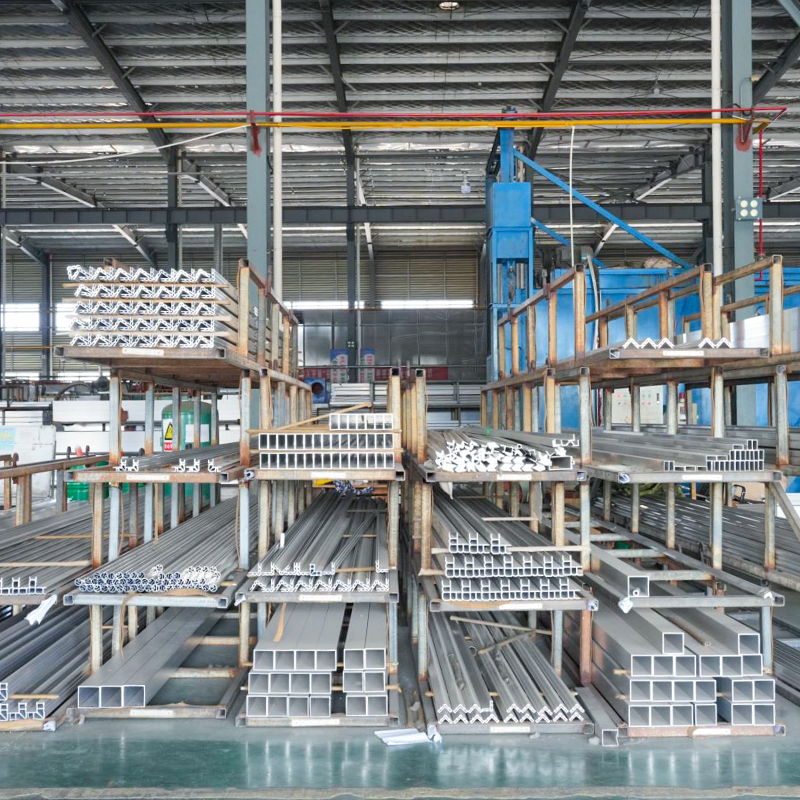
Open sections such as angles and channels are straightforward to produce and are often used where access to the interior is needed. Hollow sections offer greater rigidity for a given weight, while multi-cavity sections combine several functional channels into a single part.
Wall Thickness and Extrudability Considerations
Wall thickness has a direct effect on how evenly material flows through the die. Very thin or highly irregular walls can complicate extrusion, so section designs often balance minimum wall thickness against structural and cost considerations.
Cutting, Machining, and Joining of Custom Sections
Once extruded, sections are typically cut to length and may be drilled, punched, or CNC machined to add mounting features. Joining methods range from mechanical fasteners and clips to welding, chosen based on the section geometry and alloy.
Application Fields for Custom Section Profiles
Custom sections are used in structural framing systems, enclosure and rail assemblies, transportation trim, and equipment housings, wherever a specific combination of strength, weight, and integrated features is needed.
Design tip: reviewing the section for symmetry and consistent wall thickness before finalizing the drawing can reduce the risk of distortion or extrusion difficulty later in the process.
Section Types Compared
| Section Type | Structural Rigidity | Design Complexity | Typical Applications |
|---|---|---|---|
| Open Section (angle, channel) | Moderate | Lower | Framing, brackets, trim |
| Hollow Section | High for given weight | Moderate | Structural framing, rail systems |
| Multi-Cavity Section | High, feature-integrated | Higher | Enclosures, complex assemblies |
Procurement Checklist for Custom Section Orders
- Provide a dimensioned cross-section drawing or CAD file with tolerances noted
- Specify required alloy, temper, and finish where known
- Confirm cut-length tolerance and any secondary machining needed
- Ask about first-article sample review before full production
- Discuss packaging suited to the section's length and shape
Frequently Asked Questions
Open sections have an accessible interior, such as an angle or channel shape, while hollow sections form a fully enclosed cavity, which generally offers greater rigidity for a given amount of material.
Minimum practical wall thickness depends on the overall section shape and alloy, since very thin or highly irregular walls can make consistent material flow more difficult to achieve during extrusion.
Yes, multi-cavity or feature-rich sections can combine functions such as fastener channels, wiring paths, or sealing edges into a single profile, reducing the need for separate components.
A dimensioned 2D drawing or 3D CAD file showing the cross-section, wall thicknesses, and any functional features is generally sufficient to begin design review.
Sections are typically cut using fine-tooth saws sized for the profile's cross-section, with length tolerance confirmed based on the intended assembly requirement.
In some cases a standard section can be adapted through secondary machining rather than a new die, which may reduce tooling cost for lower-volume or early-stage projects.
Checker plate products in stock
A selection of the checker plate items available under this topic.
Aluminum square tube
Aluminum square tubes are made of high-quality aluminum alloy materials. With its unique square cros...
View More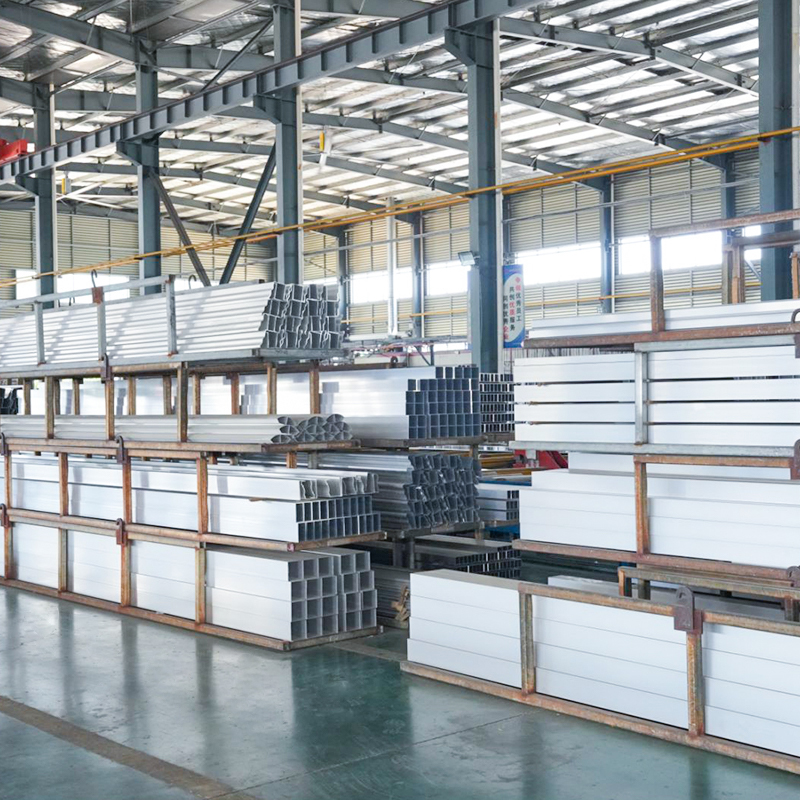
Aluminum round tube
Aluminum alloy material gives aluminum round tubes the characteristics of light weight and high stre...
View More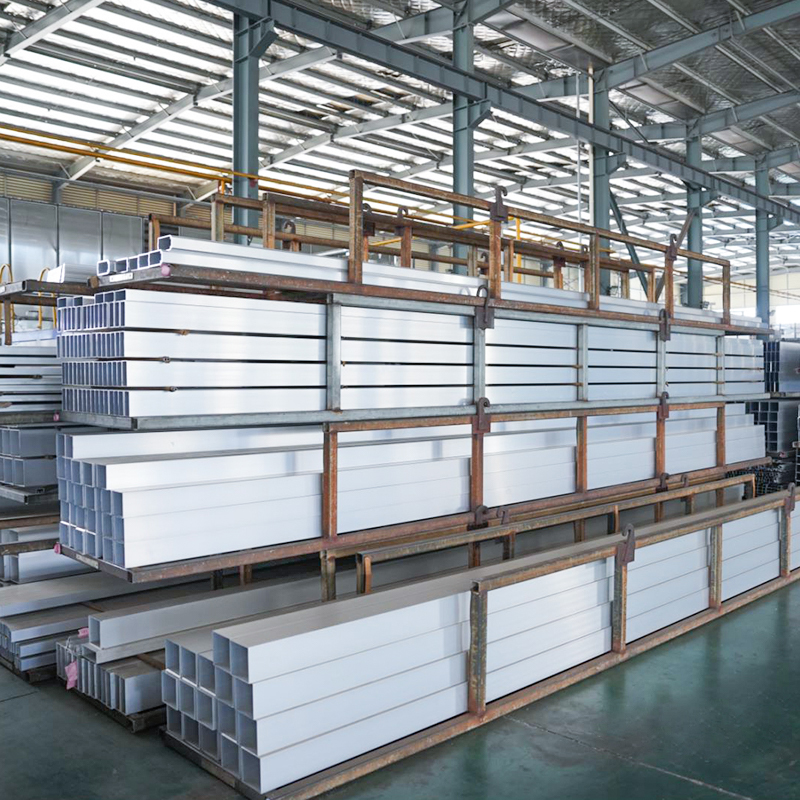
Aluminum round bar
The surface of aluminum round bars has been specially treated to effectively resist oxidation and co...
View More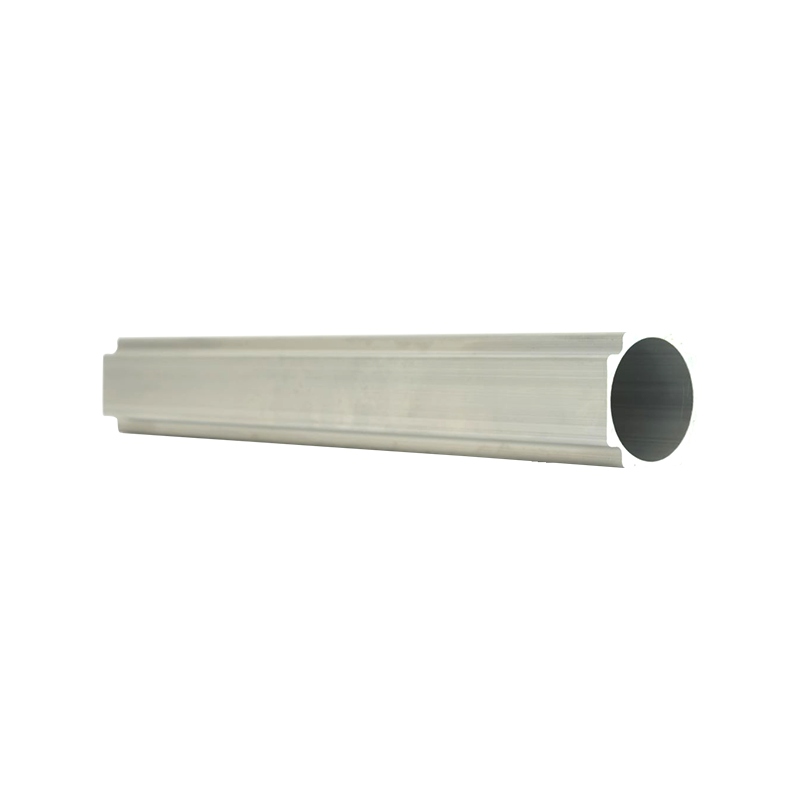
New energy vehicle battery shell floor aluminum profile
The aluminum profile of the floor of the battery shell of new energy vehicles adopts an integrated s...
View More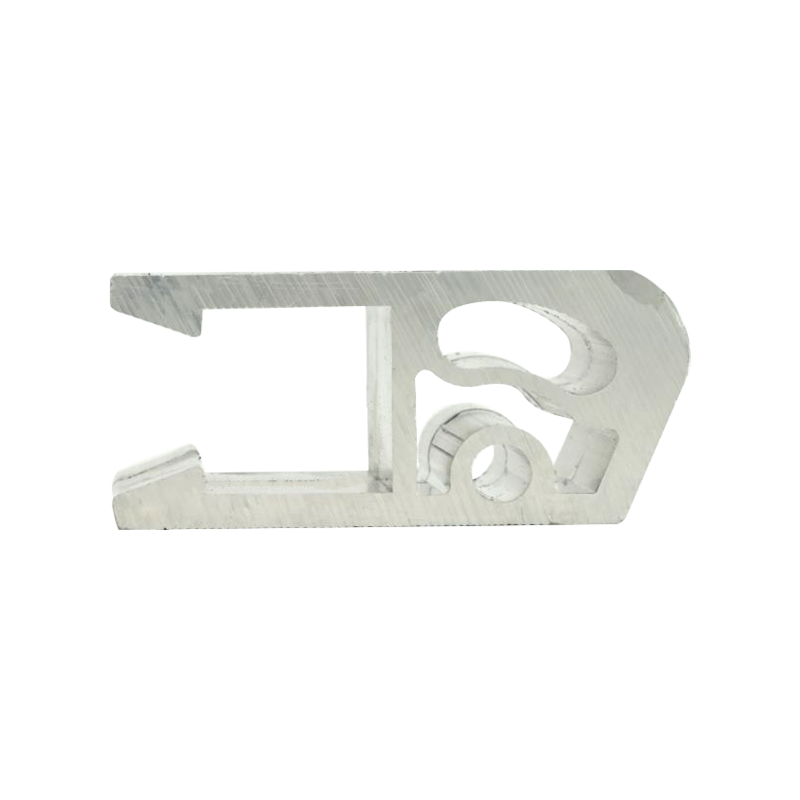
Aluminum profiles
The sleeve-type aluminum profile is made of high-quality aluminum alloy material and is processed th...
View More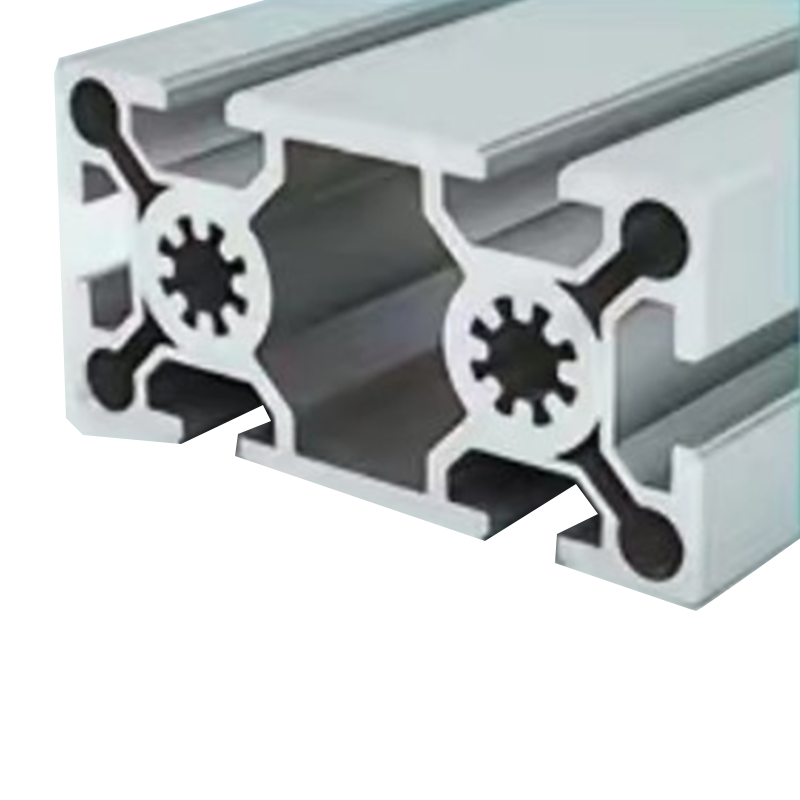
40*80 Flow aluminum wire profile
40*80 wide rectangular tube:Wide design: The unique 40mm wide side and 80mm long side provide a wide...
View More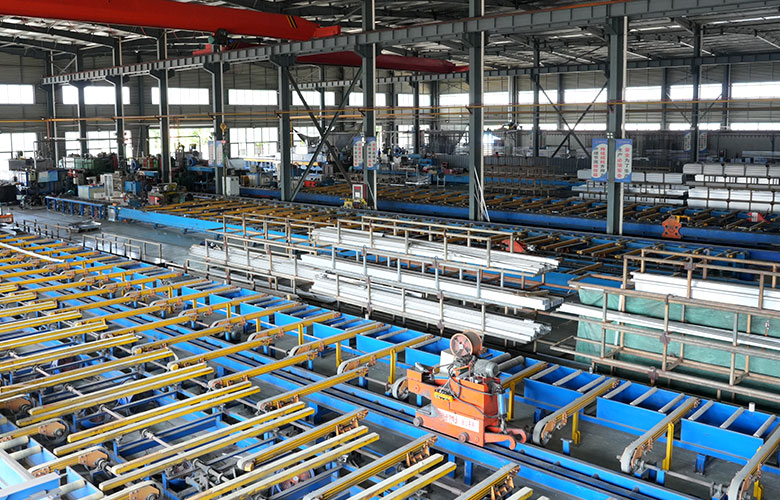
Professional OEM & ODM Manufacturer of Precision Aluminum Profiles
Jiangsu Jiali Aluminum Co., Ltd. operates advanced manufacturing bases spanning over 100 acres in Yancheng, Jiangsu. With an annual capacity reaching 15,000 tons, as China Custom Aluminum Sections Manufacturers and Wholesale Custom Aluminum Sections OEM/ODM Suppliers,we specialize in comprehensive R&D, extrusion, and surface treatment for architectural and industrial aluminum systems.
Backed by an experienced technical team and rigorous testing protocols, we deliver high-strength, wind-pressure-resistant, and high-airtightness profiles tailored precisely to global B2B client specifications and international standards.
End-to-End Custom Processing & Quality Assurance
How we safeguard manufacturing precision and technical standard compliance for industrial buyers.
Drawing & Sample Validation
Converting your 2D design layouts or physical samples into verified 3D production models for precise tooling development.
Advanced Extrusion & R&D
Utilizing high-performance extrusion lines and expert alloy selection to maintain structural integrity and tight tolerances.
Multi-Stage Inspection
Comprehensive monitoring across fabrication processes, verifying strength, dimensions, and surface finishes before packaging.
Ask about checker plate pricing
Send your alloy, thickness and quantity and we'll come back with a quote and lead time within one business day.
- Email[email protected]
- FactoryJianhu District, Yancheng City, Jiangsu, China