
Aluminum Alloy Extrusion Customized
Aluminum alloy extrusion is the process of extruding aluminum that has been combined with other elements to achieve a specific balance of strength, corrosion resistance, formability, or conductivity. The choice of alloy family has a direct effect on how a profile performs in service, how it can be joined or finished, and how it should be handled during fabrication.
Selecting an appropriate alloy is typically one of the earliest decisions in a project, since it influences die design, extrudability, and compatibility with later processes such as welding, machining, and surface treatment. Alloy selection is generally guided by the mechanical demands of the application together with the operating environment the finished part will face.
Alloy FamiliesCommon Alloy Families Used in Extrusion
Extrusion alloys are broadly grouped into families with different performance characteristics. Heat-treatable families are widely used for structural and architectural profiles due to their favorable combination of strength and extrudability. Other families are selected where corrosion resistance in marine or chemical environments is the priority, while high-conductivity or high-formability families suit electrical or deep-forming applications.
Temper Selection and Its Effect on Performance
Temper designations describe the heat treatment or working state applied after extrusion. Naturally aged or annealed tempers offer higher formability, while artificially aged tempers increase strength and hardness, generally at some cost to ductility.
Corrosion Resistance and Environmental Suitability
Corrosion resistance varies by alloy family and is further influenced by surface treatment. Alloys intended for outdoor or marine exposure are typically paired with anodizing or coating to extend service life in demanding environments.
Weldability and Joining Considerations
Not all alloy families weld with equal ease. Some are well suited to common welding processes, while others require specific filler materials or preheating to avoid cracking, so joining method should be confirmed alongside alloy selection.
Finishing Compatibility by Alloy Type
Anodizing response, in particular, can vary noticeably between alloy families, affecting final color consistency and surface texture. Confirming finishing compatibility early helps avoid appearance issues after production.
Practical guidance: alloy and temper should be confirmed in writing before tooling begins, since switching alloy families after die development can affect extrudability and may require die adjustment.
ComparisonAlloy Family Characteristics at a Glance
| Alloy Family | General Strength Level | Corrosion Resistance | Typical Use Direction |
|---|---|---|---|
| Heat-treatable structural family | Medium to high | Good with surface treatment | Architectural and structural framing |
| Corrosion-resistant family | Low to medium | High, including marine settings | Marine and chemical exposure parts |
| High-conductivity family | Low | Moderate | Electrical and thermal transfer parts |
| High-strength family | High | Requires protective finishing | Demanding structural or transport use |
SourcingChoosing the Right Alloy With Your Supplier
- Describe the mechanical load and expected service environment clearly
- Ask whether the proposed alloy is well suited to your intended joining method
- Confirm anodizing or coating compatibility if surface appearance matters
- Request how alloy conformance is verified and documented
- Clarify whether alloy substitution is possible after tooling has been built
FAQFrequently Asked Questions
Alloy selection generally starts from the mechanical load, environmental exposure, and finishing needs of the part, and is best confirmed with the supplier's engineering input before die design begins.
Temper describes the post-extrusion treatment applied to the alloy, with softer tempers favoring formability and harder tempers favoring strength, so the right choice depends on how the part will be used and processed further.
No. Weldability varies by alloy family, and some require specific filler materials or process adjustments, which is why joining method should be discussed alongside alloy selection.
Yes, different alloy families can respond differently to anodizing, which may influence color consistency and surface texture, so this is worth confirming if appearance is a key requirement.
Changing alloy after tooling is complete is possible in some cases, but it can affect extrudability and may require die adjustment, so alloy should ideally be finalized before die design.
Suppliers may confirm alloy conformance through material test reports or composition verification, and it is reasonable to request this documentation for applications where alloy accuracy is important.
Checker plate products in stock
A selection of the checker plate items available under this topic.
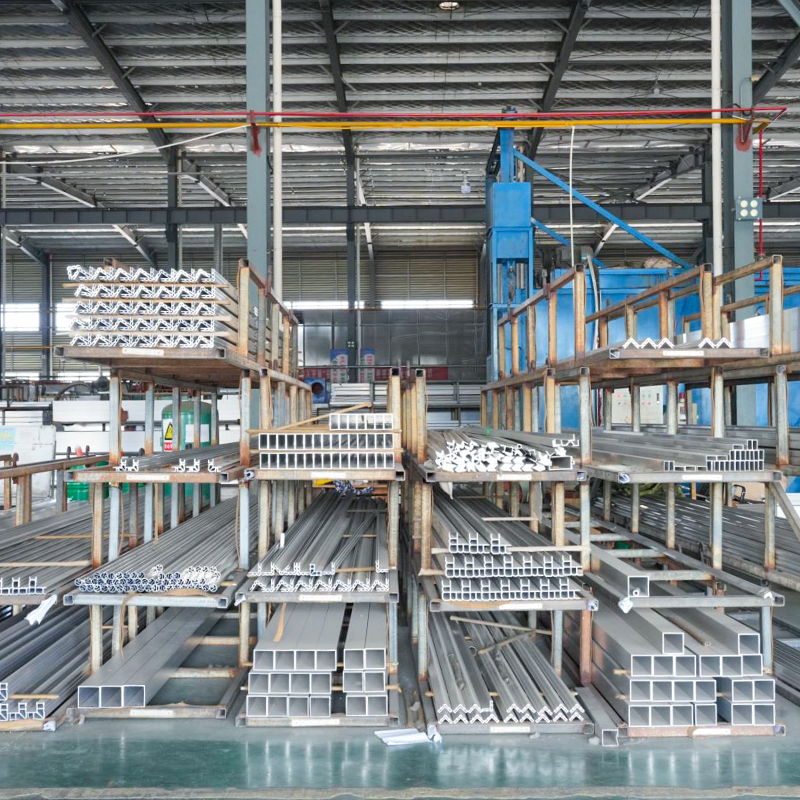
Aluminum square tube
Aluminum square tubes are made of high-quality aluminum alloy materials. With its unique square cros...
View More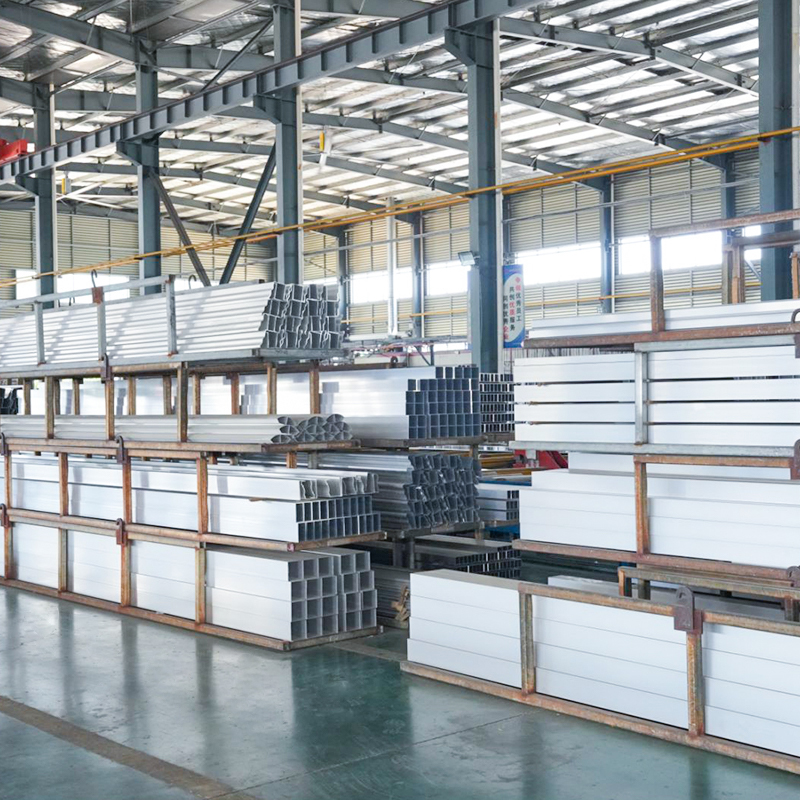
Aluminum round tube
Aluminum alloy material gives aluminum round tubes the characteristics of light weight and high stre...
View More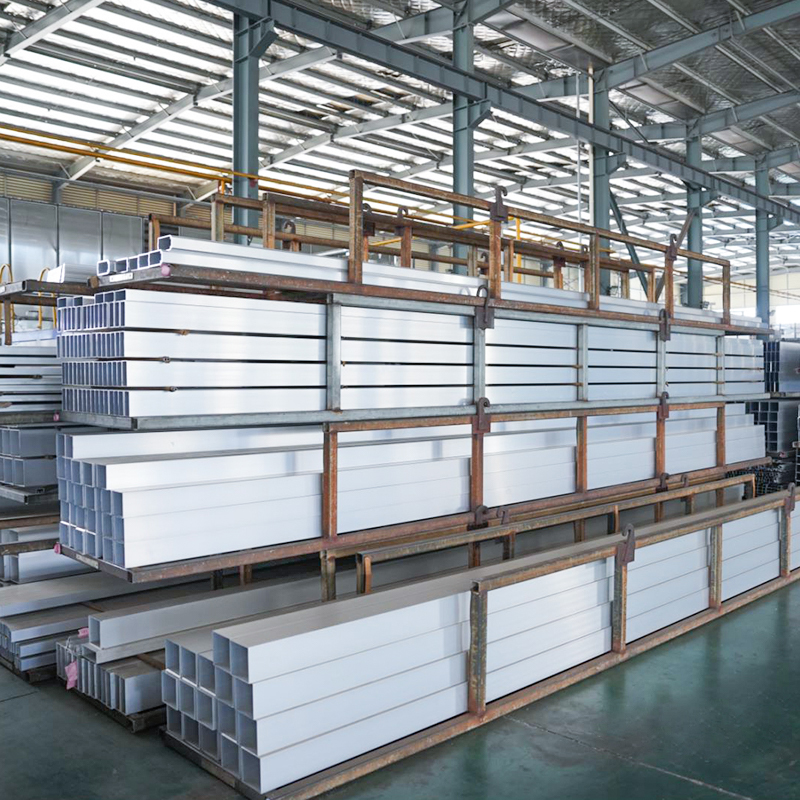
Aluminum round bar
The surface of aluminum round bars has been specially treated to effectively resist oxidation and co...
View More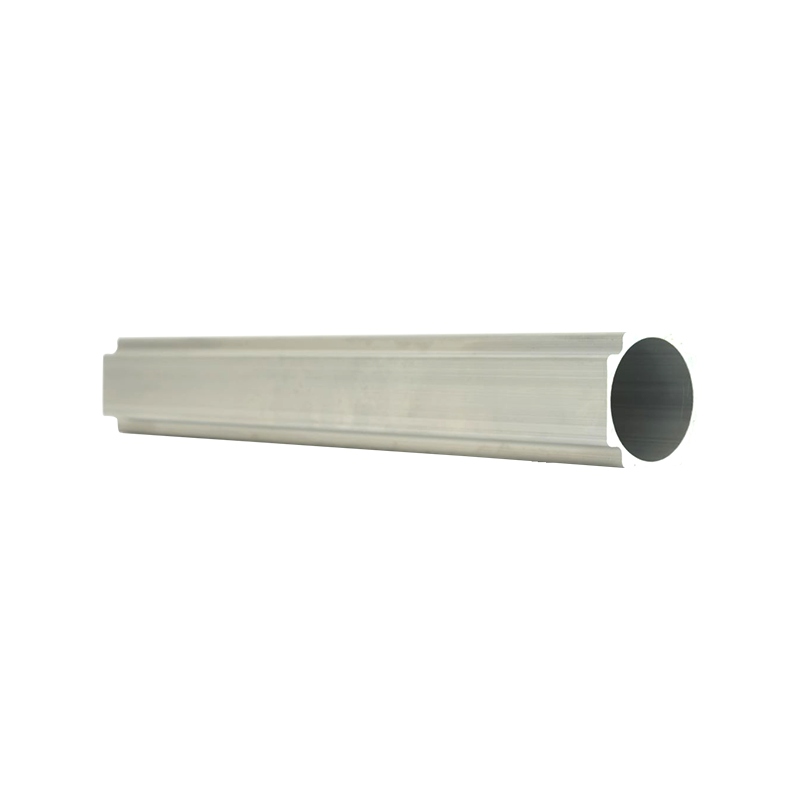
New energy vehicle battery shell floor aluminum profile
The aluminum profile of the floor of the battery shell of new energy vehicles adopts an integrated s...
View More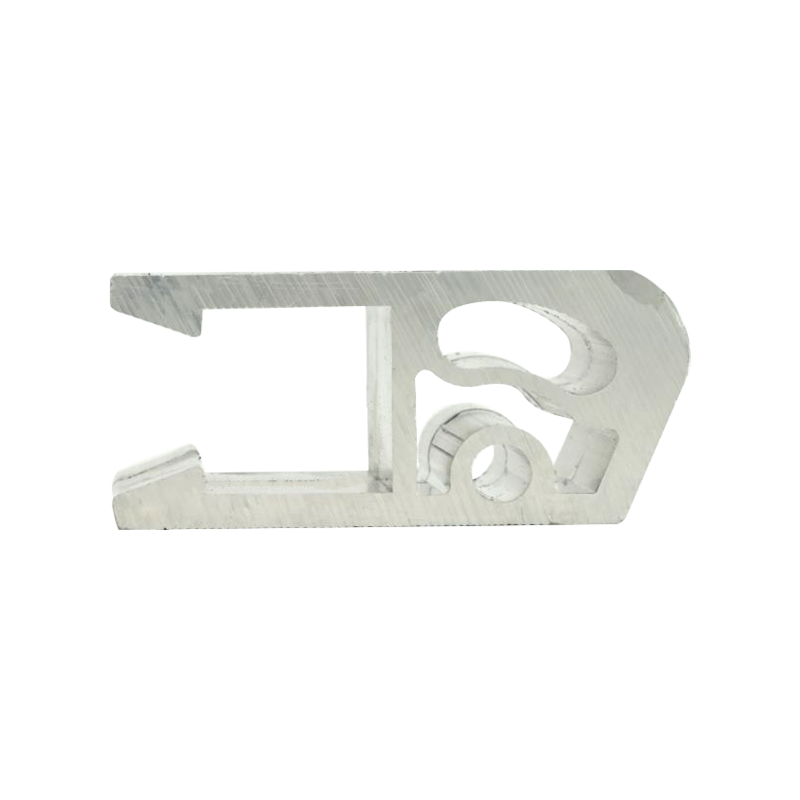
Aluminum profiles
The sleeve-type aluminum profile is made of high-quality aluminum alloy material and is processed th...
View More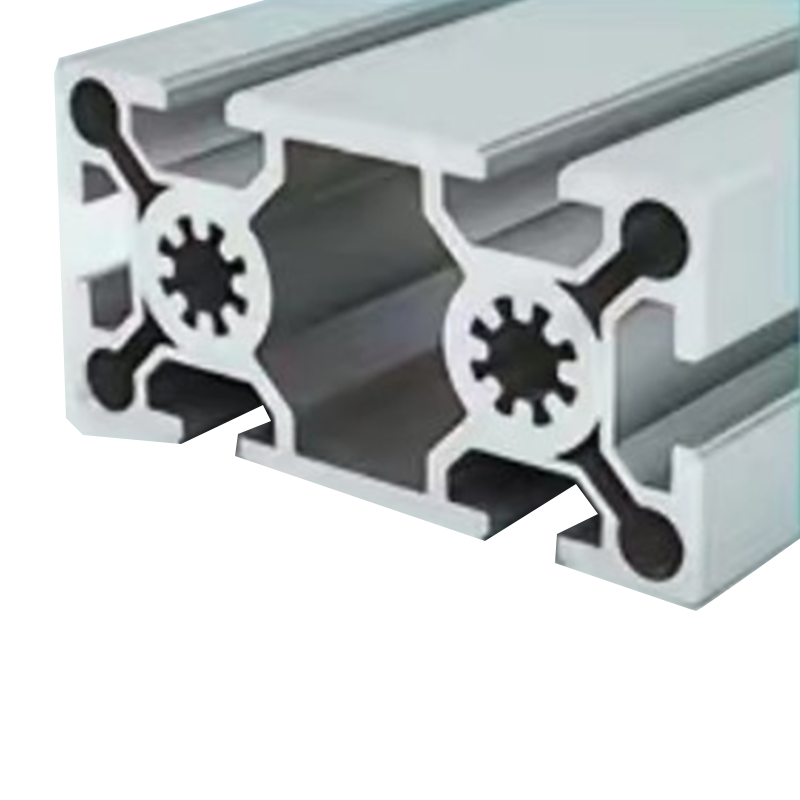
40*80 Flow aluminum wire profile
40*80 wide rectangular tube:Wide design: The unique 40mm wide side and 80mm long side provide a wide...
View More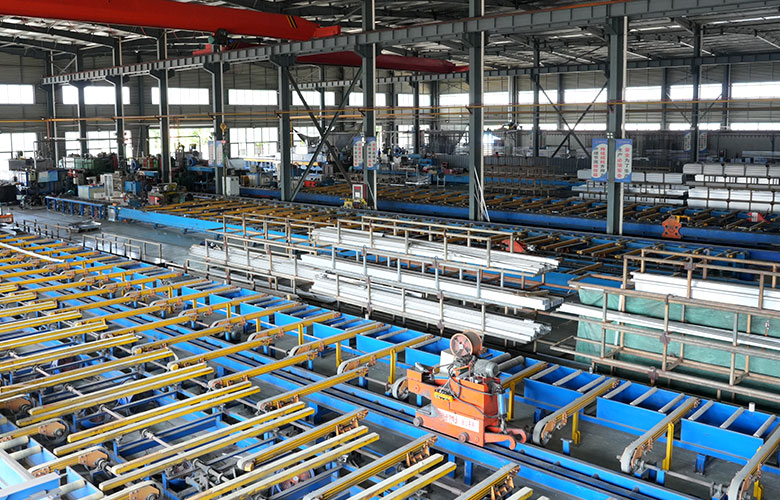
Professional OEM & ODM Manufacturer of Precision Aluminum Profiles
Jiangsu Jiali Aluminum Co., Ltd. operates advanced manufacturing bases spanning over 100 acres in Yancheng, Jiangsu. With an annual capacity reaching 15,000 tons, as China Aluminum Alloy Extrusion Manufacturers and Wholesale Aluminum Alloy Extrusion OEM/ODM Suppliers,we specialize in comprehensive R&D, extrusion, and surface treatment for architectural and industrial aluminum systems.
Backed by an experienced technical team and rigorous testing protocols, we deliver high-strength, wind-pressure-resistant, and high-airtightness profiles tailored precisely to global B2B client specifications and international standards.
End-to-End Custom Processing & Quality Assurance
How we safeguard manufacturing precision and technical standard compliance for industrial buyers.
Drawing & Sample Validation
Converting your 2D design layouts or physical samples into verified 3D production models for precise tooling development.
Advanced Extrusion & R&D
Utilizing high-performance extrusion lines and expert alloy selection to maintain structural integrity and tight tolerances.
Multi-Stage Inspection
Comprehensive monitoring across fabrication processes, verifying strength, dimensions, and surface finishes before packaging.
Ask about checker plate pricing
Send your alloy, thickness and quantity and we'll come back with a quote and lead time within one business day.
- Email[email protected]
- FactoryJianhu District, Yancheng City, Jiangsu, China