
Thermal Break Aluminum Profiles Customized
Thermal Break Aluminum Profiles
Thermal Break Aluminum Profiles are architectural aluminum extrusion profiles designed with a thermal insulating barrier between the interior and exterior aluminum sections. This profile structure helps reduce direct heat transfer through the frame and supports the thermal performance of doors, windows, curtain walls, and other building envelope systems.
For B2B projects, thermal break aluminum profiles can be developed around required section dimensions, insulation configurations, connection methods, surface finishes, and fabrication requirements. They are suitable for manufacturers, fabricators, contractors, and building system suppliers looking for aluminum profile solutions that balance structural requirements, thermal performance, appearance, and production compatibility.
Separates aluminum sections to reduce direct heat transfer through the profile assembly.
Applicable to thermal performance focused door, window, and curtain wall systems.
Profile sections can be developed according to drawings, samples, dimensions, and application needs.
Thermal Break Profile Structure
A thermal break aluminum profile generally combines aluminum sections with an insulating component positioned between them. This construction creates a separation between the inner and outer aluminum portions while maintaining the required profile geometry for fabrication and installation.
Aluminum Sections
The aluminum portions provide the profile geometry required for frame construction, hardware integration, glazing, fastening, and system assembly.
Insulating Barrier
The insulating barrier separates the two aluminum sections and is an important part of the thermal break configuration.
System Compatibility
Section geometry can be considered together with glazing, gaskets, fasteners, hardware, drainage, and other components used in the finished system.
Applications of Thermal Break Aluminum Profiles
Thermal break aluminum profiles are commonly selected for building envelope applications where frame design and thermal performance need to be considered together.
Thermal Break Windows
Used for window frame systems where separation between the interior and exterior aluminum sections is required as part of the thermal design.
Thermal Break Doors
Suitable for aluminum door systems requiring coordinated profile sections, glazing interfaces, hardware installation, and thermal break construction.
Curtain Wall Systems
Can be incorporated into curtain wall profile configurations where the aluminum frame design needs to account for thermal separation and building envelope requirements.
Customized Building Systems
Can be developed for project-specific architectural systems based on drawings, samples, section dimensions, assembly requirements, and fabrication conditions.
Key Selection Considerations
When sourcing thermal break aluminum profiles, buyers should evaluate the complete profile system rather than focusing only on the extrusion section. The following factors can affect compatibility with the intended application.
| Consideration | What to Confirm | Project Relevance |
|---|---|---|
| Profile Section | Section dimensions, wall thickness, geometry, and connection details | Determines compatibility with the intended frame or building system |
| Thermal Break | Barrier configuration, position, dimensions, and assembly requirements | Influences the thermal separation design of the profile |
| Glazing Interface | Glass thickness, gasket arrangement, bead configuration, and drainage design | Supports proper integration with window and door assemblies |
| Surface Finish | Required appearance, finish type, color, and environmental conditions | Supports architectural appearance and project specification requirements |
| Fabrication | Cutting, drilling, machining, assembly, and installation requirements | Helps ensure the extrusion is suitable for downstream processing |
Custom Thermal Break Aluminum Profiles
Different architectural systems may require different section dimensions, connection structures, thermal break positions, glazing interfaces, or finishing specifications. Custom extrusion allows the profile to be developed around the actual requirements of the finished application.
```- Profile development based on customer drawings or samples
- Section dimensions and wall thickness adjusted to project requirements
- Support for different door, window, and curtain wall configurations
- Surface finish and color options according to project specifications
- Sample development and drawing confirmation before production
- Production inspection and technical coordination throughout the order process
Typical Customization Process
Drawings or Samples
Review the supplied profile drawings, samples, dimensions, and application requirements.
Drawing Confirmation
Confirm profile geometry, interfaces, and technical details before tooling.
Tooling and Samples
Develop the required tooling and produce samples for technical confirmation.
Production and Inspection
Proceed with production after confirmation and inspect the finished profiles according to agreed requirements.
Technical Support for Profile Projects
Successful aluminum profile sourcing depends on clear technical information before production. For custom thermal break aluminum profiles, project teams can provide drawings, samples, target dimensions, application information, finish requirements, and assembly details for technical review.
Drawing Review
Profile drawings can be reviewed for section geometry, connection areas, glazing interfaces, and production considerations.
Application Coordination
Door, window, and curtain wall applications can be evaluated according to the intended system structure and installation requirements.
Production Coordination
Technical information can be carried through tooling, sampling, production, inspection, and shipment preparation.
After-Sales Assistance
Technical questions related to product specifications, processing, assembly, and project requirements can be coordinated after delivery.
Thermal Break Aluminum Profiles FAQ
What are thermal break aluminum profiles?
Thermal break aluminum profiles are aluminum extrusion sections designed with an insulating barrier between separate aluminum sections. This structure reduces direct heat transfer through the frame and is commonly used in architectural door, window, and curtain wall systems.
Where are thermal break aluminum profiles used?
They are commonly used in thermal performance focused aluminum windows, doors, curtain walls, and customized architectural frame systems.
Can thermal break aluminum profiles be customized?
Yes. Custom profiles can be developed according to drawings, samples, required section dimensions, connection details, glazing interfaces, surface finishes, and other project specifications.
What information is needed for a custom profile?
Useful information includes profile drawings or samples, section dimensions, application, required finish, glazing or connection requirements, expected processing method, and other technical specifications relevant to the finished system.
Can thermal break profiles be used for both doors and windows?
Yes. Different profile sections can be designed for door and window applications according to their respective structural, glazing, hardware, drainage, and installation requirements.
Discuss Your Thermal Break Aluminum Profile Requirements
For a custom aluminum extrusion project, providing drawings, samples, section dimensions, application details, and finish requirements can help establish a clear technical specification before production.
Checker plate products in stock
A selection of the checker plate items available under this topic.
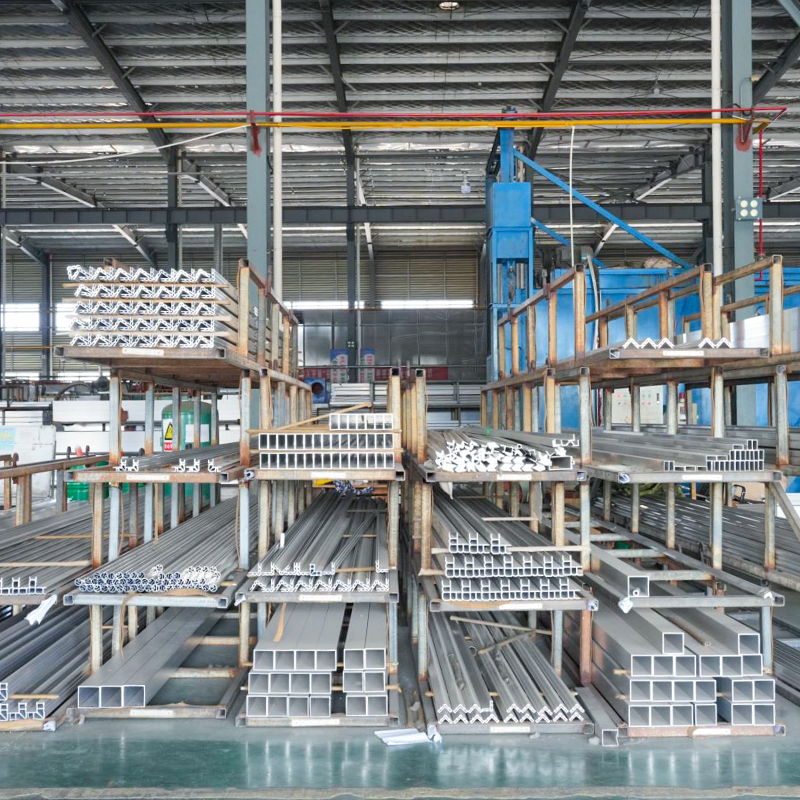
Aluminum square tube
Aluminum square tubes are made of high-quality aluminum alloy materials. With its unique square cros...
View More
Aluminum round tube
Aluminum alloy material gives aluminum round tubes the characteristics of light weight and high stre...
View More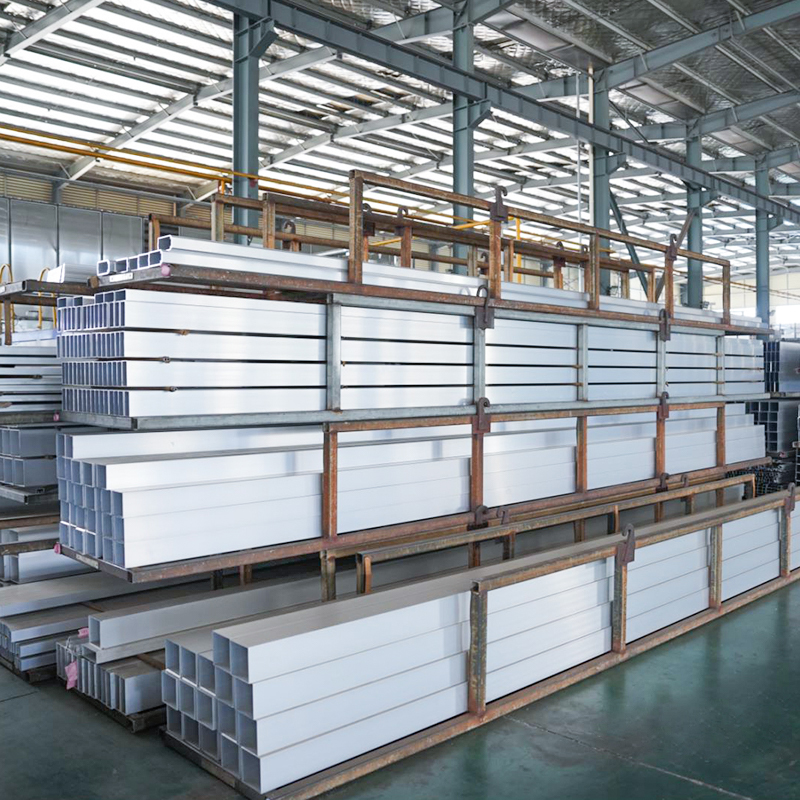
Aluminum round bar
The surface of aluminum round bars has been specially treated to effectively resist oxidation and co...
View More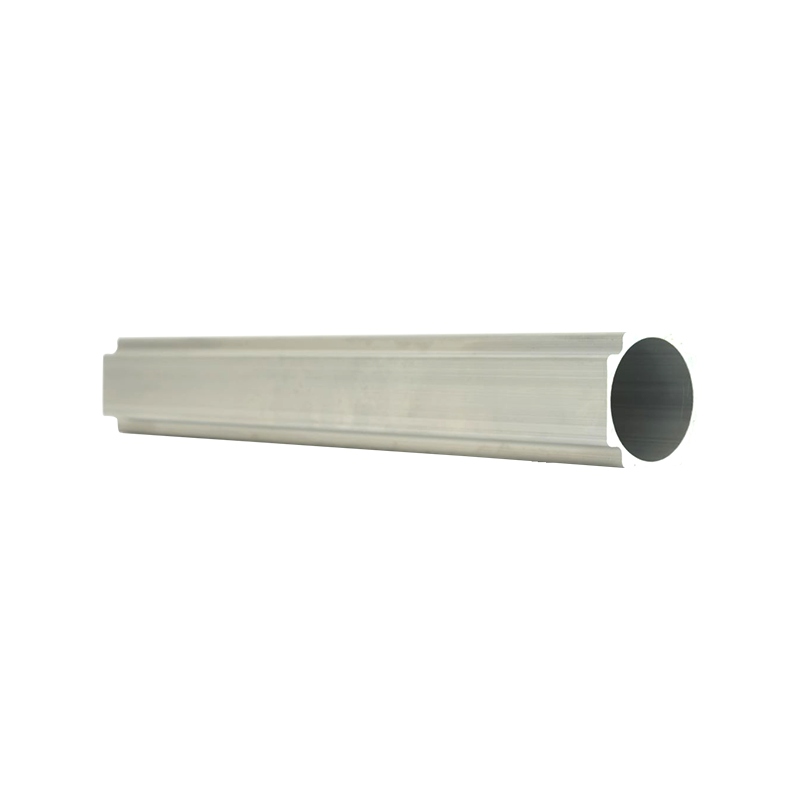
New energy vehicle battery shell floor aluminum profile
The aluminum profile of the floor of the battery shell of new energy vehicles adopts an integrated s...
View More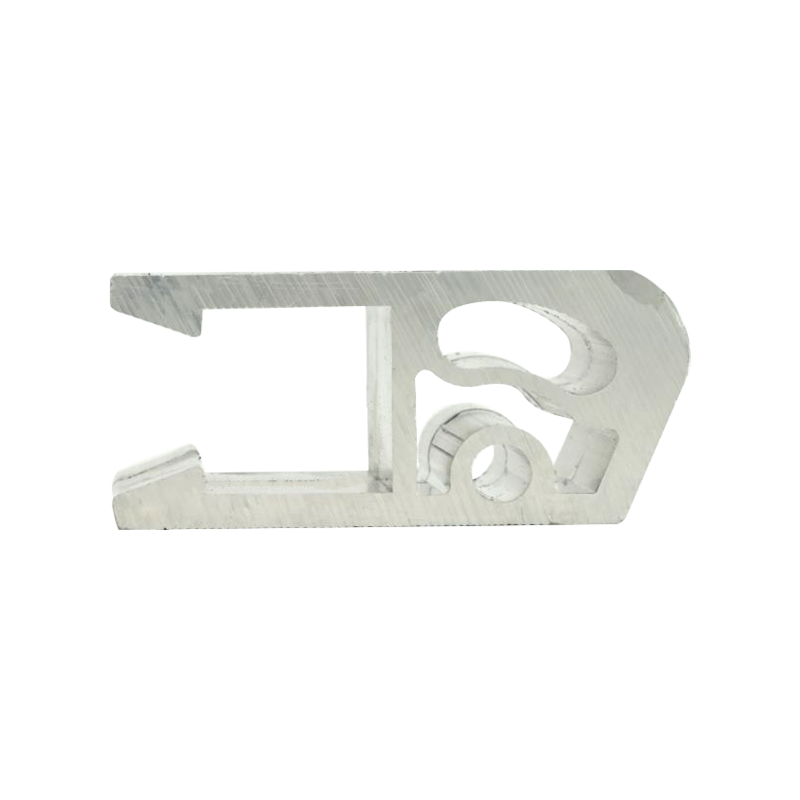
Aluminum profiles
The sleeve-type aluminum profile is made of high-quality aluminum alloy material and is processed th...
View More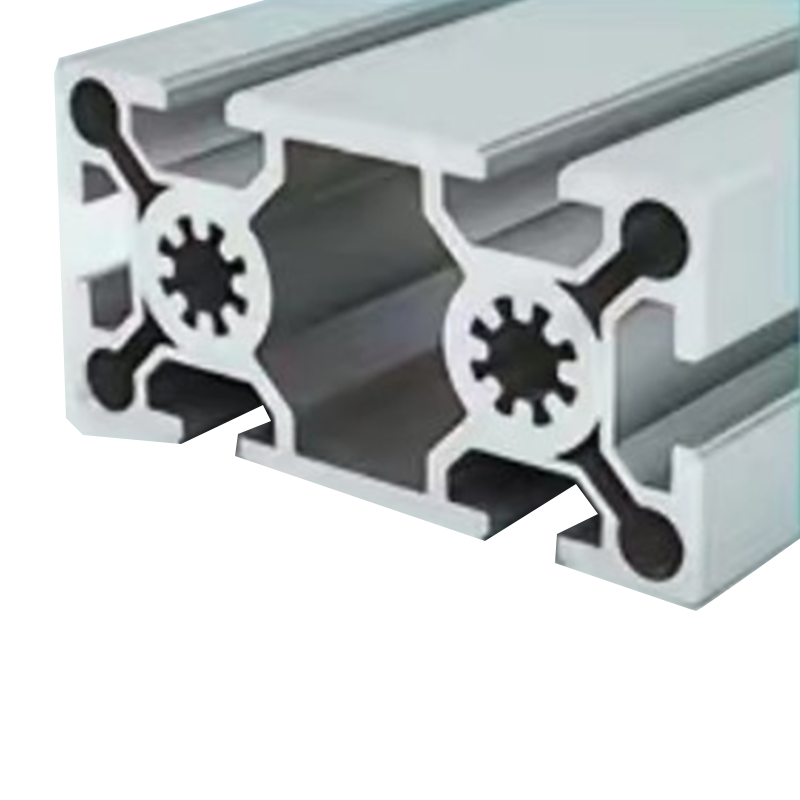
40*80 Flow aluminum wire profile
40*80 wide rectangular tube:Wide design: The unique 40mm wide side and 80mm long side provide a wide...
View More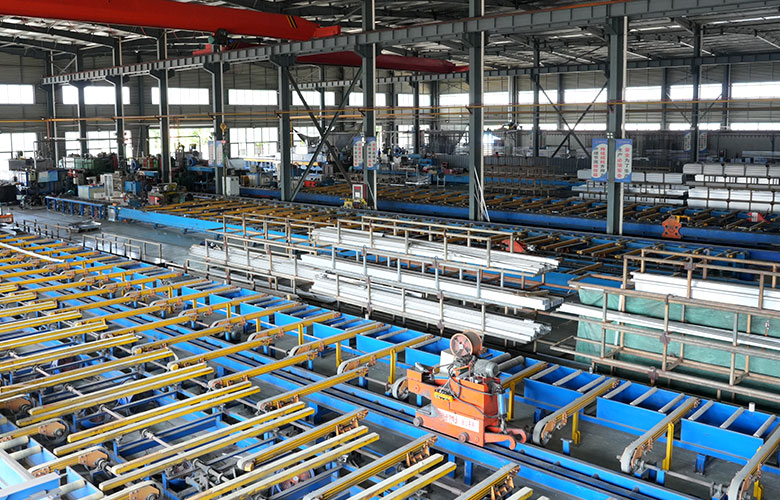
Professional OEM & ODM Manufacturer of Precision Aluminum Profiles
Jiangsu Jiali Aluminum Co., Ltd. operates advanced manufacturing bases spanning over 100 acres in Yancheng, Jiangsu. With an annual capacity reaching 15,000 tons, as China Thermal Break Aluminum Profiles Manufacturers and Wholesale Thermal Break Aluminum Profiles OEM/ODM Suppliers,we specialize in comprehensive R&D, extrusion, and surface treatment for architectural and industrial aluminum systems.
Backed by an experienced technical team and rigorous testing protocols, we deliver high-strength, wind-pressure-resistant, and high-airtightness profiles tailored precisely to global B2B client specifications and international standards.
End-to-End Custom Processing & Quality Assurance
How we safeguard manufacturing precision and technical standard compliance for industrial buyers.
Drawing & Sample Validation
Converting your 2D design layouts or physical samples into verified 3D production models for precise tooling development.
Advanced Extrusion & R&D
Utilizing high-performance extrusion lines and expert alloy selection to maintain structural integrity and tight tolerances.
Multi-Stage Inspection
Comprehensive monitoring across fabrication processes, verifying strength, dimensions, and surface finishes before packaging.
Ask about checker plate pricing
Send your alloy, thickness and quantity and we'll come back with a quote and lead time within one business day.
- Email[email protected]
- FactoryJianhu District, Yancheng City, Jiangsu, China