
Aluminum Shutter Profiles Customized
Aluminum Shutter Profiles
Aluminum Shutter Profiles are extruded aluminum sections developed for the construction of exterior and interior shutter systems. They can be configured into shutter blades, frames, rails, guides, and other structural components according to the design of the finished shutter assembly.
Aluminum is suitable for shutter profile applications where a combination of dimensional stability, manageable weight, corrosion resistance, and architectural appearance is required. Profile geometry can be adapted to different shutter designs, opening dimensions, mounting methods, and visual requirements.
Geometry can be developed around the intended shutter construction.
Profile interfaces can be coordinated with rails, frames, and fittings.
Surface treatment can be specified according to architectural requirements.
Common Aluminum Shutter Profile Components
A shutter system may contain several aluminum extrusion sections, with each profile serving a different function within the finished assembly. Selecting the appropriate section design helps maintain consistent fabrication and installation requirements.
Shutter Blade Profiles
Used as the main horizontal or vertical elements of the shutter. Blade geometry can be developed to achieve the required appearance, spacing, and assembly method.
Shutter Frame Profiles
Form the surrounding structure of the shutter and provide interfaces for blades, hinges, fasteners, or other installation components.
Guide and Rail Profiles
Designed for systems that require guided movement or defined positioning of shutter elements during opening and closing.
Supporting Sections
Additional extrusion sections can be incorporated where the shutter design requires reinforcement, connection points, or specialized mounting interfaces.
Blade Configuration
Specify whether the shutter uses fixed, adjustable, horizontal, vertical, or specially shaped blades and define the required profile interfaces.
Opening Arrangement
Folding, sliding, hinged, or fixed shutter arrangements may require different profile dimensions and connection details.
Installation Interface
Mounting locations, fasteners, hinges, tracks, brackets, and surrounding building elements should be considered during profile development.
Surface Requirements
Surface finish and color can be selected to correspond with architectural specifications and the intended environmental conditions.
Applications for Aluminum Shutter Profiles
These profiles can be incorporated into various shutter configurations used for building openings, facade elements, ventilation features, and architectural screening.
Window Shutters
Aluminum shutter sections can be fabricated into window shading and screening systems, with profile dimensions selected according to the window opening and shutter arrangement.
Exterior Shutters
Suitable for external architectural shutter structures where the material needs to withstand routine exposure while maintaining the specified profile appearance.
Facade Screening
Can be used as aluminum louver or shutter elements for visual screening and architectural facade design.
Interior Shutters
Profile sections can also be adapted for interior partitions, decorative shutters, and other room-side architectural applications.
Customized Aluminum Shutter Profiles for Project Requirements
Standard profile sections may not always match the dimensions or connection details of a specific shutter system. Custom aluminum extrusion provides a way to develop sections around the actual assembly rather than modifying the finished system to fit an unsuitable profile.
Customers can provide technical drawings, reference samples, target dimensions, or application information for profile evaluation. The development process can then address section geometry, tooling requirements, fabrication conditions, and surface treatment.
Customizable Specifications
- Profile cross-section and external dimensions
- Wall thickness and internal geometry
- Blade shape and mounting interfaces
- Frame, rail, and connection sections
- Cutting and machining requirements
- Surface finish and color specifications
- Packaging requirements for transportation and handling
Profile Quality and Production Considerations
For B2B procurement, consistency between profile batches is important for fabrication, assembly, and installation. Technical specifications should therefore be established before production begins.
| Item | Specification Focus | Why It Matters |
|---|---|---|
| Dimensions | Section size, length, wall thickness, and dimensional tolerances | Supports accurate fabrication and system assembly |
| Profile Geometry | Blade shape, grooves, cavities, channels, and connection areas | Determines compatibility with related shutter components |
| Material | Specified aluminum alloy and material requirements | Should correspond with the intended application and processing conditions |
| Surface Finish | Finish type, color, appearance, and surface requirements | Influences architectural appearance and environmental suitability |
| Fabrication | Cutting, drilling, punching, machining, and assembly requirements | Helps integrate profiles into the customer's production workflow |
Information for B2B Aluminum Profile Sourcing
Clear technical information helps manufacturers and project buyers evaluate whether an aluminum shutter profile is suitable for their production and installation requirements. When requesting a quotation or technical review, the following information can be prepared.
Provide a 2D section drawing or reference sample where available.
Describe the shutter type and intended installation environment.
Specify required section dimensions, wall thickness, and profile length.
Indicate the required surface treatment, color, and appearance.
List cutting, machining, punching, or other downstream requirements.
Provide estimated order volume to support production planning and tooling evaluation.
Aluminum Shutter Profiles FAQ
What are aluminum shutter profiles used for?
They are used to manufacture shutter blades, frames, rails, guides, and other sections within architectural shutter systems. The exact extrusion design depends on the shutter configuration and installation method.
Can aluminum shutter profiles be made according to drawings?
Yes. Custom extrusion sections can be developed from customer drawings, technical specifications, or physical samples, with the final geometry reviewed before tooling and production.
What shutter designs can use aluminum profiles?
Aluminum profiles can be incorporated into fixed, hinged, sliding, folding, adjustable, and other customized shutter structures when the section design is matched to the required assembly.
Can the surface finish be customized?
Surface treatment and color can generally be specified according to the project requirements. The appropriate finish should be selected according to the intended use and environmental conditions.
What should buyers provide for a custom shutter profile?
A profile drawing or sample, required dimensions, application information, shutter configuration, surface finish, processing requirements, and estimated quantity can help establish the technical specification.
Develop an Aluminum Shutter Profile for Your System
Whether the requirement involves a new shutter section or an existing extrusion that needs to be reproduced, technical drawings and application details provide a practical starting point for evaluation, sampling, and production coordination.
Checker plate products in stock
A selection of the checker plate items available under this topic.
Aluminum square tube
Aluminum square tubes are made of high-quality aluminum alloy materials. With its unique square cros...
View More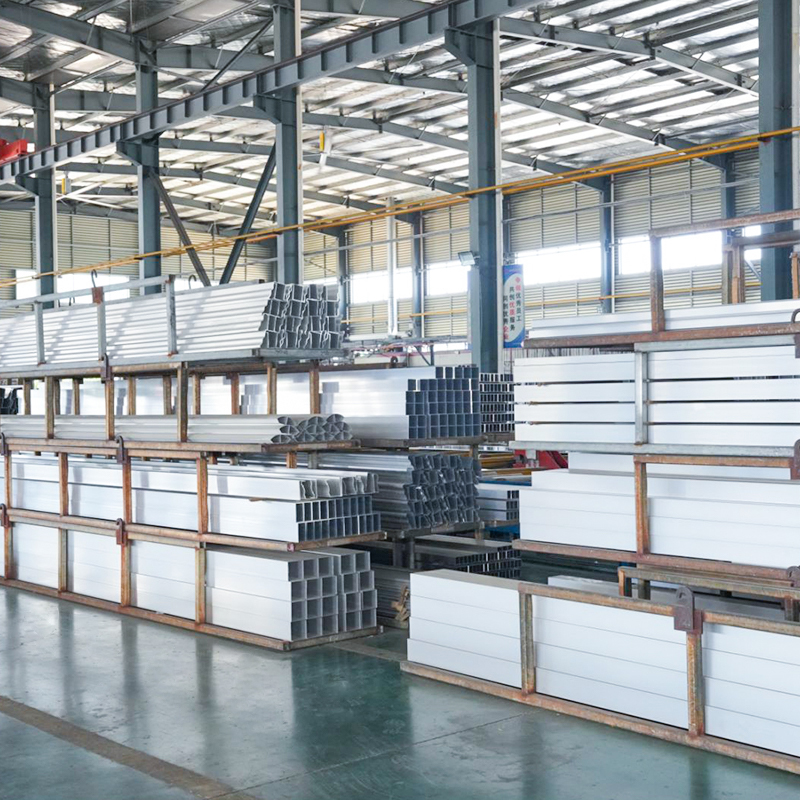
Aluminum round tube
Aluminum alloy material gives aluminum round tubes the characteristics of light weight and high stre...
View More
Aluminum round bar
The surface of aluminum round bars has been specially treated to effectively resist oxidation and co...
View More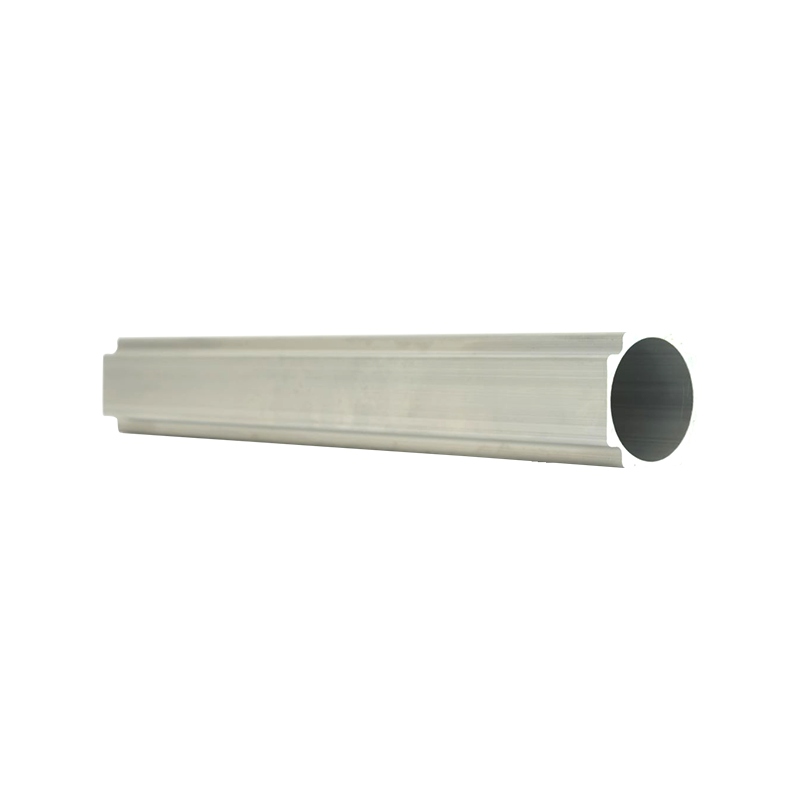
New energy vehicle battery shell floor aluminum profile
The aluminum profile of the floor of the battery shell of new energy vehicles adopts an integrated s...
View More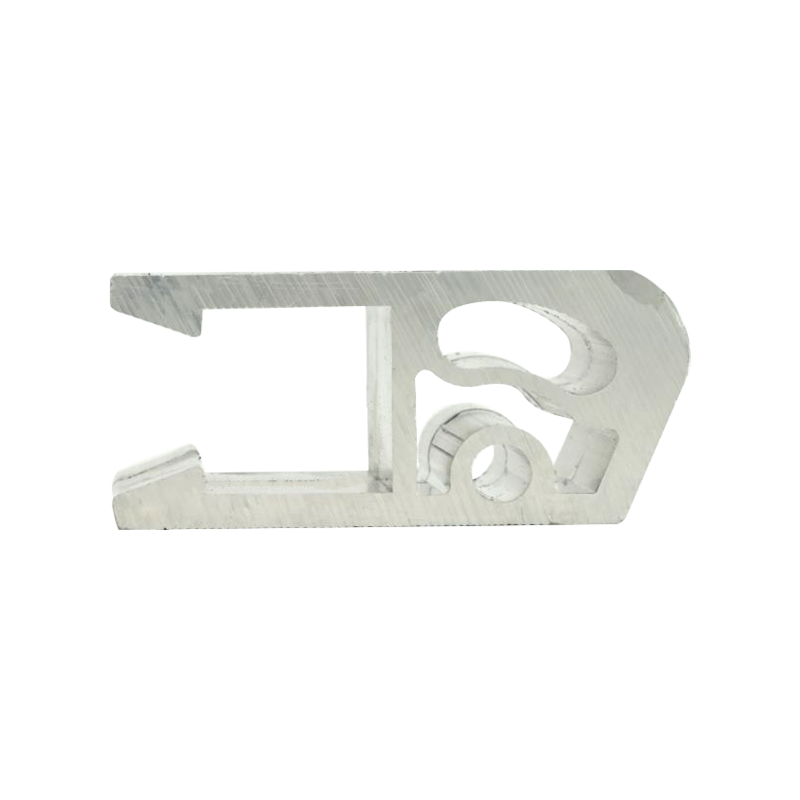
Aluminum profiles
The sleeve-type aluminum profile is made of high-quality aluminum alloy material and is processed th...
View More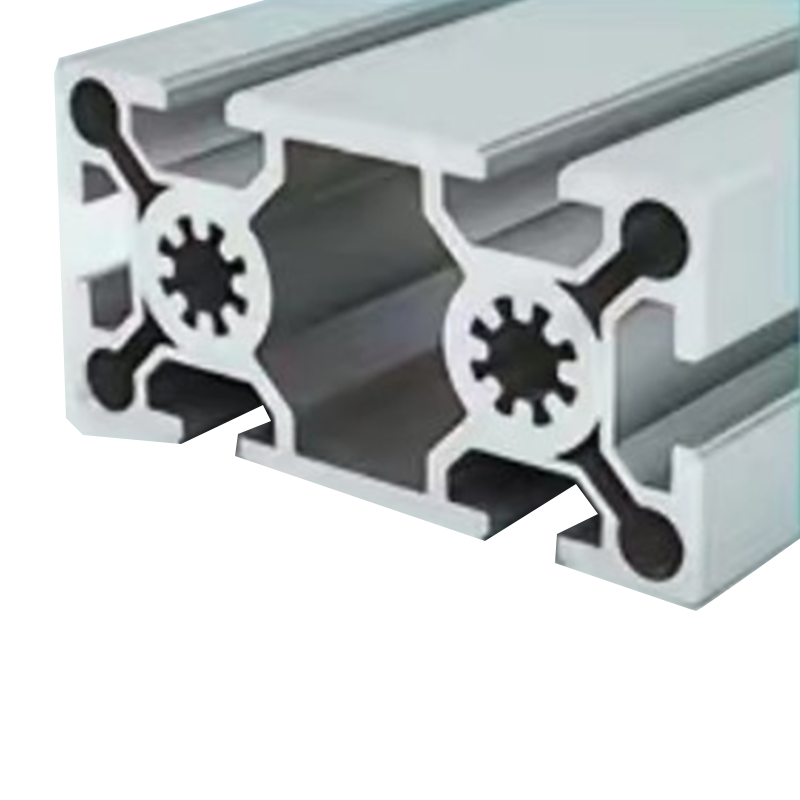
40*80 Flow aluminum wire profile
40*80 wide rectangular tube:Wide design: The unique 40mm wide side and 80mm long side provide a wide...
View More
Professional OEM & ODM Manufacturer of Precision Aluminum Profiles
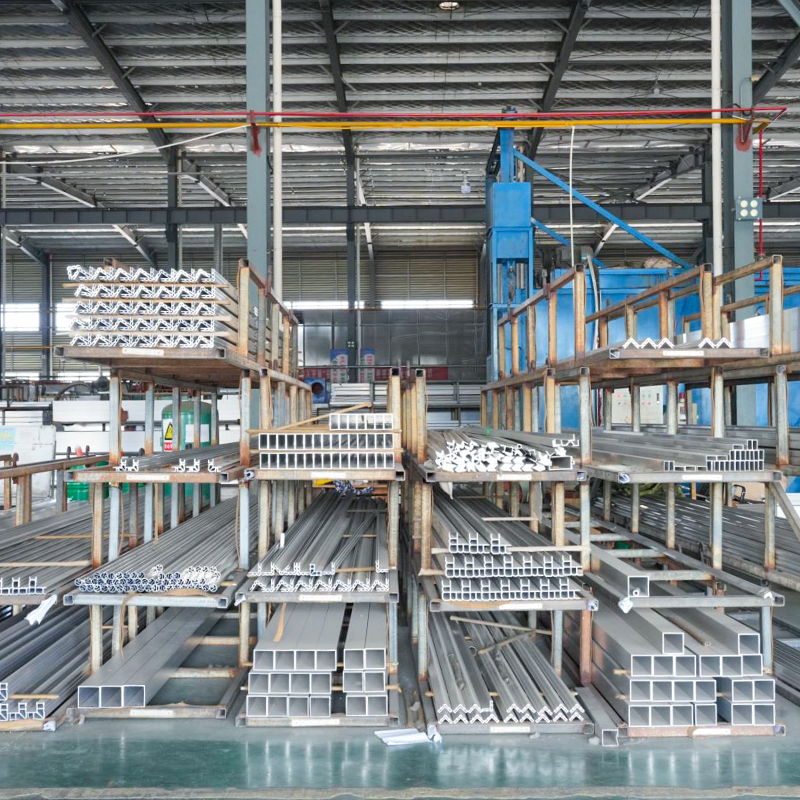
Jiangsu Jiali Aluminum Co., Ltd. operates advanced manufacturing bases spanning over 100 acres in Yancheng, Jiangsu. With an annual capacity reaching 15,000 tons, as China Aluminum Shutter Profiles Manufacturers and Wholesale Aluminum Shutter Profiles OEM/ODM Suppliers,we specialize in comprehensive R&D, extrusion, and surface treatment for architectural and industrial aluminum systems.
Backed by an experienced technical team and rigorous testing protocols, we deliver high-strength, wind-pressure-resistant, and high-airtightness profiles tailored precisely to global B2B client specifications and international standards.
End-to-End Custom Processing & Quality Assurance
How we safeguard manufacturing precision and technical standard compliance for industrial buyers.
Drawing & Sample Validation
Converting your 2D design layouts or physical samples into verified 3D production models for precise tooling development.
Advanced Extrusion & R&D
Utilizing high-performance extrusion lines and expert alloy selection to maintain structural integrity and tight tolerances.
Multi-Stage Inspection
Comprehensive monitoring across fabrication processes, verifying strength, dimensions, and surface finishes before packaging.
Ask about checker plate pricing
Send your alloy, thickness and quantity and we'll come back with a quote and lead time within one business day.
- Email[email protected]
- FactoryJianhu District, Yancheng City, Jiangsu, China