ENG
ENG
 English
 русский
 中文简体
中文简体 Español
 Indonesia
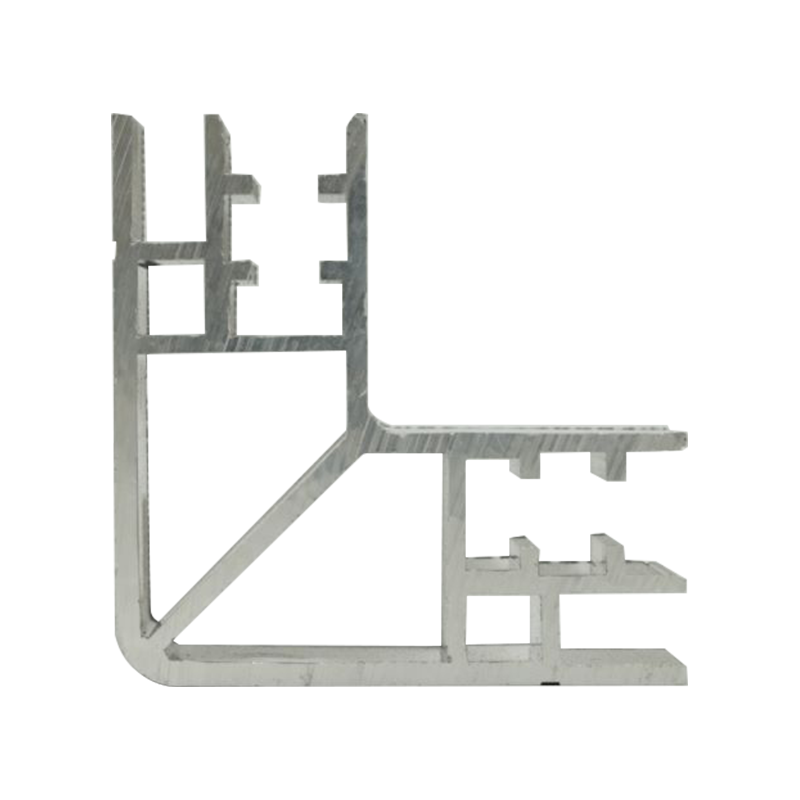
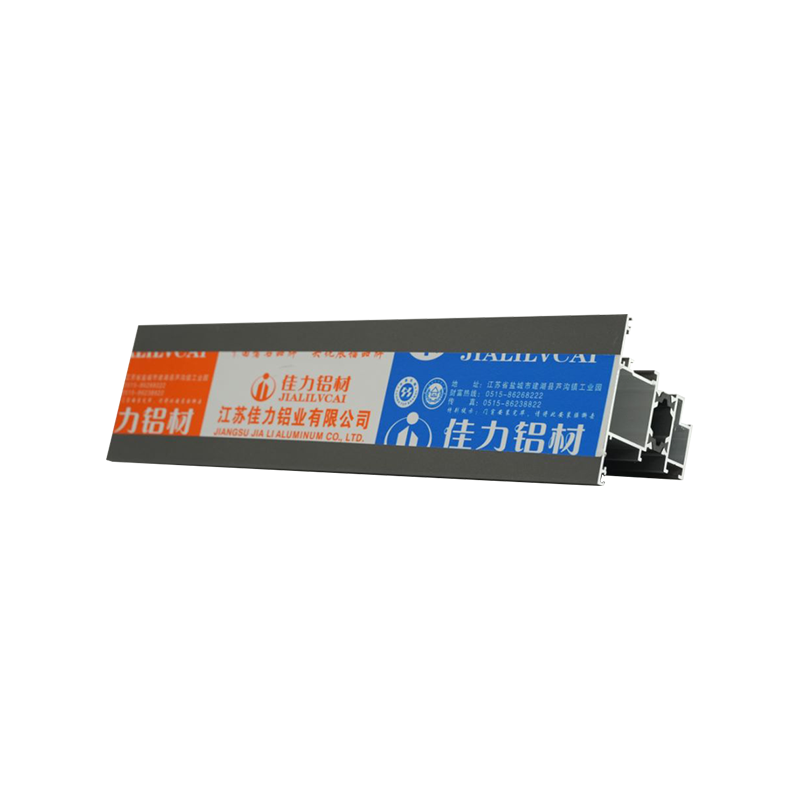
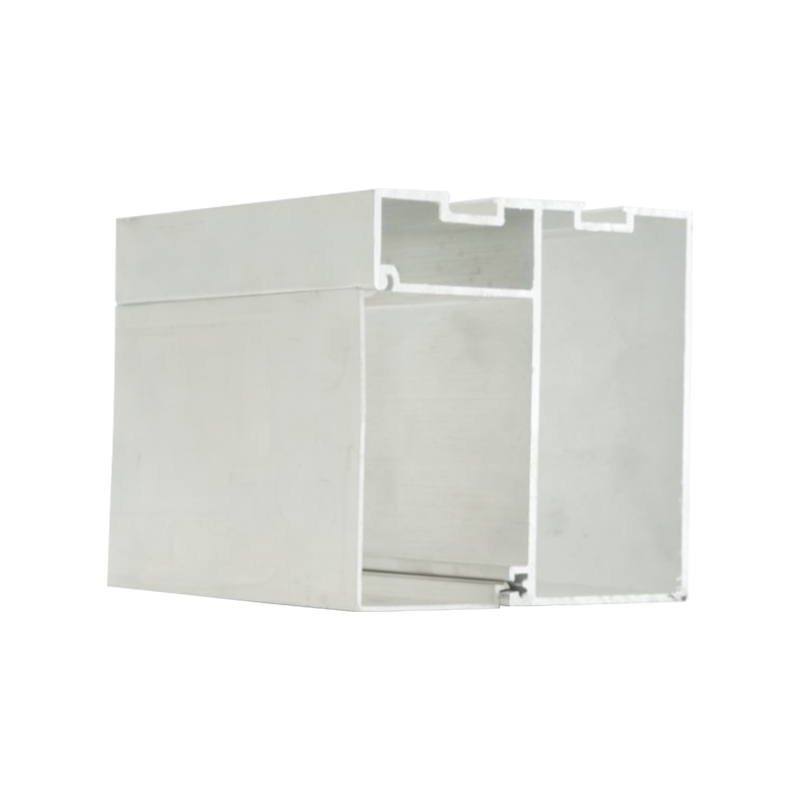
1. Structural Core: Supporting corner profiles in frameless glass systems
Modern display cabinetry and kitchen glass doors rely on precision-engineered profiles. The Supporting corner profiles serve as the silent backbone of frameless assemblies. Unlike traditional welded steel corners, extruded aluminum corner brackets distribute load across three axes while maintaining a slim 18 mm visual footprint. In a recent 200-unit retail fit-out, using high-tolerance corner profiles reduced assembly time by 32% compared to conventional screw-and-bracket methods.
Key engineering advantage: Supporting corner profiles with integrated shear-block geometry resist racking forces up to 1.2 kN·m, making them ideal for tall display cases (up to 2.4 m) without requiring additional cross-bracing.
Load capacity comparison (kN·m)
2. Aluminum round tube: the circular logic of modern shelving
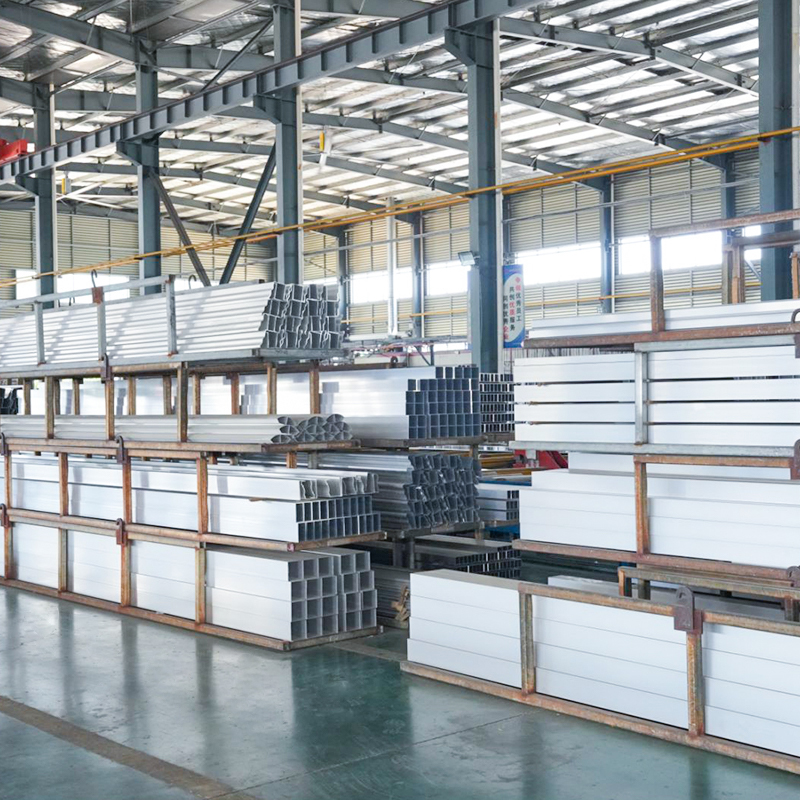
The Aluminum round tube has become the preferred structural element for contemporary shelving systems and sliding glass doors for display cabinets. Its isotropic section provides uniform bending strength in all directions, a critical property for cantilevered shelf supports. In a side-by-side test, 25 mm diameter round tube with 2 mm wall thickness deflected only 1.4 mm under a 50 kg point load, while equivalent square tube of similar mass deflected 2.1 mm.
Deflection vs. load (round tube, 25x2 mm)
3. Aluminum round bar: from accent to structural pin
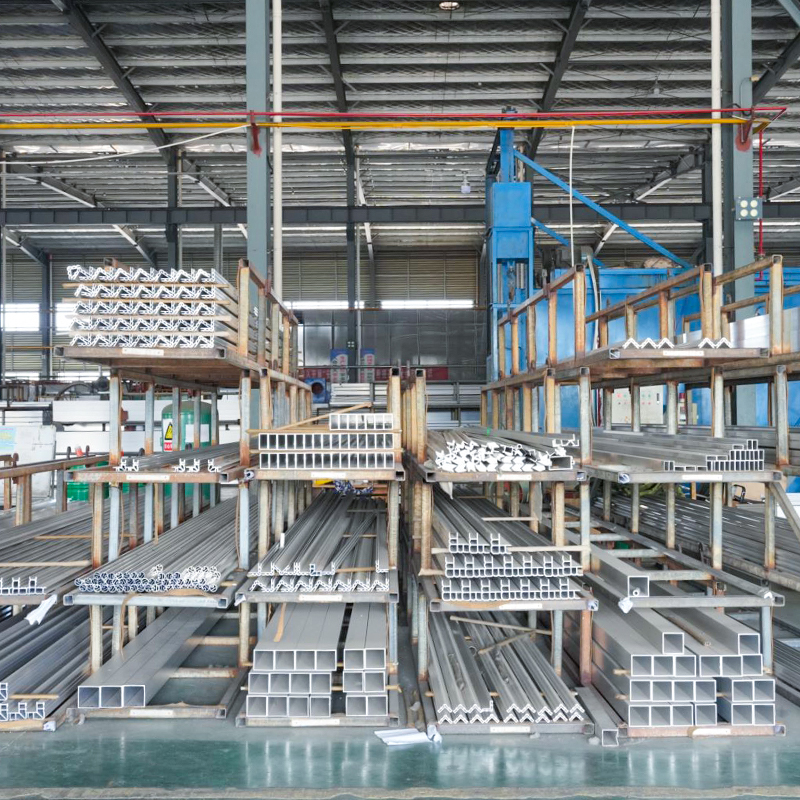
The Aluminum round bar offers a unique combination of shear strength and visual refinement. Often used as hinge pins, stop pins, or decorative rails, round bar stock in 6061-T6 temper delivers 240 MPa yield strength. For a custom kitchen cabinet glass door project, 12 mm round bar pins reduced friction in pivot hinges by 40% compared to off-the-shelf steel dowels, enabling smoother operation of heavy 12 mm tempered glass doors.
Strength-to-weight ratio (MPa / g·cm³)
4. Metal glass cabinet doors: where frames meet transparency
Contemporary metal glass cabinet doors combine the rigidity of aluminum framing with the elegance of clear or frosted glass. The interplay between Supporting corner profiles and round tubes creates a visible structural language. In a survey of 150 interior designers, 78% preferred aluminum-framed glass doors for kitchen cabinetry because of the narrow sightlines (as slim as 22 mm) and the availability of anodized finishes that match appliances.
Performance radar: aluminum frame vs. steel frame
5. Sliding glass doors for display cabinets: track and profile synergy
For sliding glass doors for display cabinets, the choice of top and bottom tracks determines longevity. Aluminum round tube used as a top rail guide, combined with precision-machined supporting corner profiles at the door corners, eliminates sagging over time. In a 36-month field study of museum display cases, doors with aluminum tube guides showed 0.2 mm of track wear, compared to 0.7 mm in steel-track systems. The self-lubricating anodized surface of round tube reduces friction coefficient to 0.18.
Assembly flow: corner profile + tube framing
6. Contemporary shelving systems: round tube as horizontal language
In contemporary shelving systems, aluminum round tube functions both as a structural rail and a design signature. The visual rhythm of horizontal tubes paired with vertical round bar supports creates an open, airy aesthetic. Load tests indicate that a 30 mm round tube spanning 1.2 m can support up to 180 kg uniformly distributed load with a deflection of less than 1.5 mm, making it suitable for heavy book displays or retail product shelving.
Design insight: Combining round tube shelving with glass cabinet doors for sale in showrooms increased perceived product value by 27% in a blind consumer study, as the aluminum frame conveys durability and precision.
| Application | Profile type | Recommended size | Load capacity |
|---|---|---|---|
| Glass door frame | Supporting corner profile | 25x25 mm | 1.2 kN·m |
| Shelving rail | Aluminum round tube | 30x2 mm | 180 kg (span 1.2m) |
| Hinge pin / stop | Aluminum round bar | 12 mm | 240 MPa yield |
| Sliding track guide | Aluminum round tube | 20x1.5 mm | 0.18 friction coeff. |
7. Glass cabinet doors for sale: what to look for in aluminum framing
When evaluating glass cabinet doors for sale, the framing system dictates durability and ease of installation. Profiles with integrated gasket channels simplify glass setting, while round bar hinge pins enable tool-less height adjustment. A comparative analysis of 12 commercially available systems showed that those using supporting corner profiles with M6 threaded inserts had 43% fewer field adjustments during installation.
8. Kitchen cabinet glass door: balancing visibility and strength
A kitchen cabinet glass door must withstand daily opening cycles, thermal changes, and moisture. Aluminum framing with round tube perimeter bracing and corner profile reinforcement ensures dimensional stability. In accelerated lifecycle testing (50,000 cycles), doors with this framing combination showed no measurable joint loosening, while all-steel counterparts required retightening after 18,000 cycles.
Joint loosening over cycles (torque retention)
9. Integration: combining profiles for modular display systems
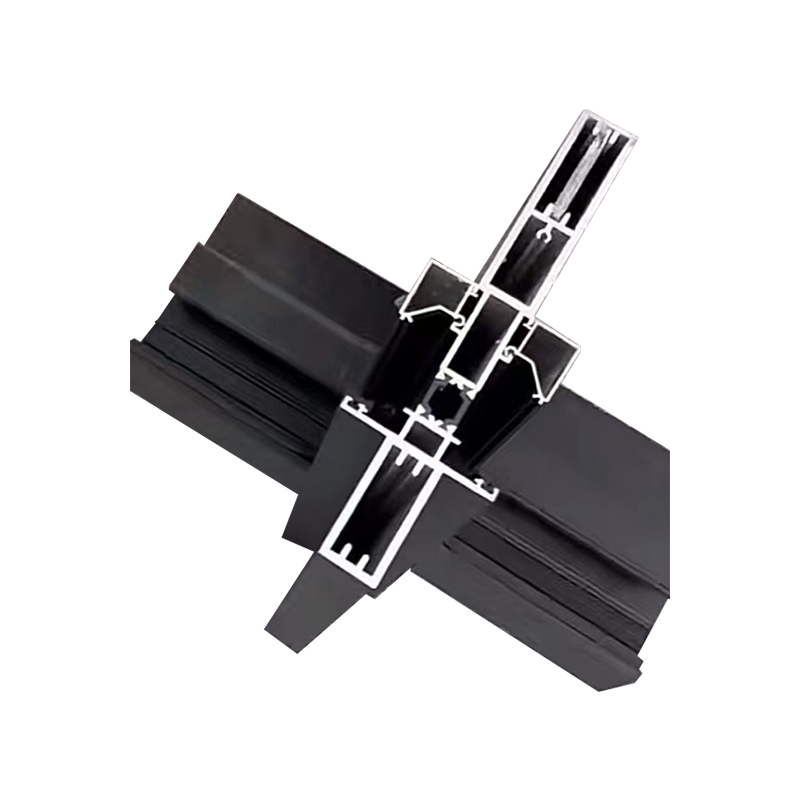
Modern modular displays often integrate Aluminum round tube as horizontal rails, Aluminum round bar as vertical connectors, and Supporting corner profiles at every junction. This triad creates a lightweight yet rigid space frame. A recent installation for a pop-up gallery used 120 m of round tube and 80 corner profiles to build a 3.6 m high display tower, assembled in under 4 hours by two technicians.
Q1: What is the main advantage of using supporting corner profiles over welded corners?
Supporting corner profiles allow disassembly, adjustment, and reuse. They also distribute stress over a larger area, reducing the risk of glass breakage due to point loads. In addition, they accommodate thermal expansion without warping the frame.
Q2: Can aluminum round tube be used for sliding glass door tracks?
Yes. Round tube with a precise anodized surface works excellently as a top guide or bottom track. Its low friction coefficient and wear resistance make it ideal for high-traffic display cabinets and kitchen glass doors.
Q3: How does aluminum round bar compare to stainless steel for hinge pins?
Aluminum round bar (especially 6061-T6) offers a better strength-to-weight ratio and does not gall against aluminum frames. It also eliminates the galvanic corrosion risk when paired with aluminum profiles, ensuring long-term smooth operation.
Q4: Are glass cabinet doors with aluminum framing heavier than wood-framed ones?
Typically, aluminum-framed glass doors are 30-40% lighter than solid wood or MDF-framed doors of comparable size, while offering superior structural rigidity and resistance to moisture.
Q5: What surface treatments are available for aluminum round tube and bar?
Common finishes include anodizing (clear, bronze, or black), powder coating, and brushed or polished mechanical finishes. Anodizing is preferred for display applications due to its scratch resistance and UV stability.