ENG
ENG
 English
 русский
 中文简体
中文简体 Español
 Indonesia
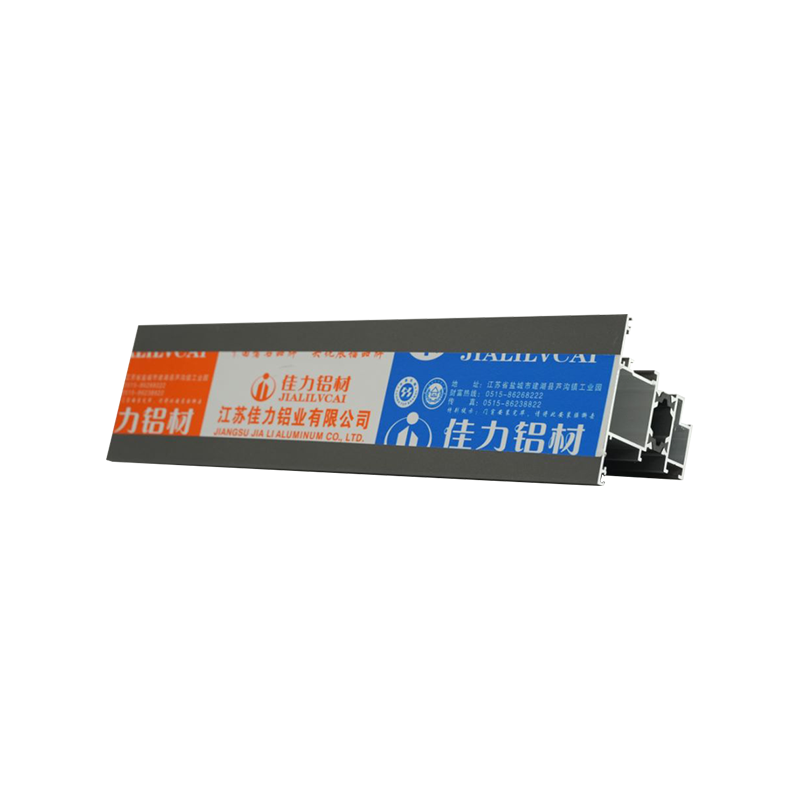
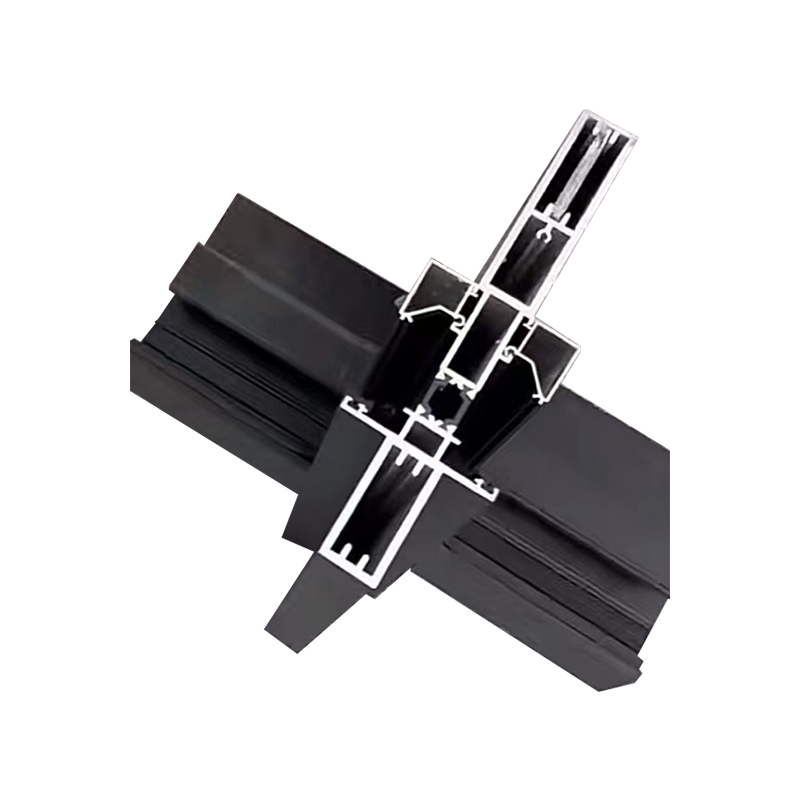
In contemporary commercial architecture, the facade is no longer a passive envelope but a dynamic system managing energy, light, and structural load. The choice of architectural aluminum profiles directly dictates wind load resistance, thermal efficiency, and lifecycle costs. This article examines why 120 series aluminum alloy curtain wall and 100 series aluminum curtain wall profiles have become benchmarks for high-rise glazing, storefronts, and luxury residential towers.
1. Structural Logic: 120 Series vs 100 Series Core Parameters
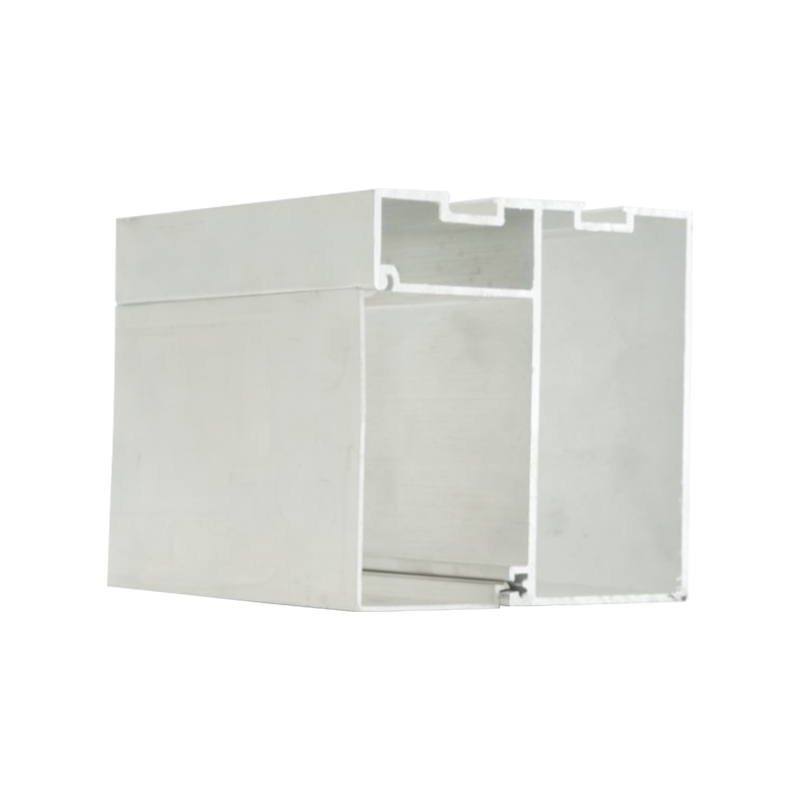
High-end facades require mullion/transom depths that balance stiffness with sightlines. The numerical designation (120mm vs 100mm) refers to the nominal depth of the curtain wall mullion. This depth determines section modulus, air infiltration rating, and compatibility with structural glazing profiles.
| Parameter | 120 Series Aluminum Alloy Curtain Wall | 100 Series Aluminum Curtain Wall Profiles |
|---|---|---|
| Nominal Depth | 120 mm | 100 mm |
| Typical Mullion Wall Thickness | 3.0 mm | 2.5 mm |
| Max Wind Load Resistance | 5.0 kPa (ASTM E330) | 3.6 kPa |
| Glass Infill Capacity | Up to 52 mm IGUs | Up to 44 mm IGUs |
| Primary Application | High-rise > 50 m | Mid-rise & storefronts |
The 120 series employs a thicker web and enlarged thermal cavity, enabling uninterrupted spans exceeding 4.5 meters without supplementary steel reinforcement. In contrast, the 100 series balances cost efficiency for exterior storefront systems where floor-to-floor heights remain under 4 meters.
2. Thermal Break Aluminum Profiles: Stop Energy Bleed
Without thermal isolation, aluminum's high conductivity (205 W/mK) turns curtain walls into thermal bridges. Thermal break aluminum profiles integrate polyamide 6.6 (PA66) strips between inner and outer extrusions. This reduces heat transfer by over 60% compared to non-thermally broken systems. For high-end facades, a 34mm polyamide barrier achieves U-values as low as 1.4 W/m²K, meeting Passive House requirements for temperate climates.
- Strut-chamber design: Arrowhead or T-shaped interlock prevents shear displacement during thermal cycling.
- Pour-and-debridge (PU resin) offers lower cost but reduced structural strength for mullions.
- Premium facade projects exclusively use PA66 GF25 (25% glass fiber reinforced) for creep resistance under sustained load.
Real-world performance: A 42-story office tower in Shanghai replaced non-thermal break 100 series with thermally broken 120 series profiles. The result: peak cooling load reduced by 28% and condensation risk eliminated at -15°C exterior temperature (RH interior 45%).
3. Corrosion Resistance: Anodized Aluminium Window Frames
For coastal or polluted urban environments, anodized aluminium window frames provide a ceramic-hard surface (50-70 Vickers) that resists pitting and filiform corrosion. The two-step electrolytic process (sulphuric acid anodizing followed by sealing) achieves AA25 rating (25 microns) for 40-year service life. Compared to powder coatings, anodizing avoids UV chalking and retains metallic luster, though color options are limited to bronze, stainless steel, or champagne.
Powder-coated aluminum sections (polyester or PVDF) offer broader RAL palettes and are preferred when design demands dark matte finishes. However, for high-touch zones like aluminum door and frame assemblies, anodized surfaces show superior scratch resistance and are easier to clean of hand oils. A hybrid approach is emerging: anodized caps on exposed vertical mullions and powder-coated transoms.
4. Door Integration: Aluminium Door Frame & Storefront Synergy
The interface between curtain wall mullions and entrance doors often becomes the weakest link for air infiltration. Modern aluminium door frame systems share the same 100 or 120 series depth as adjacent glazing, creating flush sightlines. Key engineering details include:
- Continuous silicone gaskets at jamb intersections (no mitre gaps).
- Heavy-duty 304 stainless steel hinges anchored through the door stile into reinforced mullion backers.
- Multi-point locking with anti-sag adjustability every 2mm.
For high-traffic commercial entries, the 100 series paired with a 45mm-thick aluminum door and frame assembly with drop-down seals achieves air leakage below 0.2 L/s/m² at 300 Pa. Meanwhile, automatic sliding doors integrated into 120 series systems often require bespoke header extrusions to house operators and sensors.
5. Structural Glazing Profiles: Bonded vs Captured Systems
High-end facades increasingly adopt structural glazing profiles that hide aluminum frames behind glass. There are two distinct engineering approaches:
5.1 Four-Sided Structural Silicone Glazing (SSG)
Glass is bonded directly to the 120 series aluminum alloy curtain wall mullion using structural silicone (typically 1.5mm thickness, 8-12mm width). The silicone transfers wind loads from glass to frame. This requires precise surface preparation and primer application. Advantages: uninterrupted glass surface, no external caps. The 120 series depth accommodates deep rebate for silicone application without thermal loss.
5.2 Captured / Pressure Plate Systems
Visible external caps (snap-on or screw-fixed) clamp the glass against the frame's gasket. Easier to install and replace individual panes. The 100 series aluminum curtain wall profiles often feature a 20mm pressure plate with EPDM compression gaskets, achieving water penetration resistance up to 1500 Pa.
| Parameter | SSG (120 Series preferred) | Captured (100 Series common) |
|---|---|---|
| Glass Edge Coverage | Full silicone bond | Mechanical cap (15-25mm visible) |
| Installation Tolerance | ±3mm | ±5mm |
| Re-glazing Cost | High (cut silicone) | Moderate |
| Aesthetic Rating | Monolithic glass look | Framed appearance |
6. Exterior Storefront Systems: Thermal & Impact Optimization
Unlike high-rise curtain walls, exterior storefront systems face ground-level abuse: shopping carts, cleaning equipment, and ballistic loads. The 100 series aluminum curtain wall profiles, when reinforced with 2mm stainless steel L-angles at corners, achieve SDI (Severe Duty Impact) rating per AAMA 501.4. For storefronts with automatic doors, integrating aluminium door frame profiles with adjustable sill thresholds prevents water ingress during power washing.
A recent retrofit at a Boston mixed-use development replaced aging steel storefronts with thermally broken 100 series profiles + laminated glass (6mm PVB interlayer). The result: U-value dropped from 5.7 to 2.1 W/m²K, and interior condensation at -10°C eliminated. Payback period on energy savings: 4.3 years.
7. Powder-Coated Aluminum Sections: Aesthetic Durability
For architectural framing where color consistency matters (e.g., brand-matched bronze or custom RAL), powder-coated aluminum sections offer 80-120 micron thickness with AAMA 2604 or 2605 compliance. The key specification for high-end facades is superdurable polyester or FEVE fluoropolymer (70% PVDF resin). FEVE coatings retain >90% gloss and color after 10 years in Florida outdoor exposure. However, powder coating requires proper pretreatment: zirconium conversion instead of chrome for LEED v4 compliance.
- Edge coverage critical: faraday cage areas (internal corners) must be manually sprayed to avoid thin spots.
- For coastal projects, specify clear anodic coating under powder (duplex system) to resist filiform corrosion at cut edges.
8. Installation Tolerances & System Integration
Even premium profiles fail without proper anchoring. For the 120 series aluminum alloy curtain wall, recommended anchor spacing is 600mm vertically with slotted connections allowing 12mm adjustment in X-Y plane. Curtain wall mullions must accommodate inter-story drift: typical 20mm seismic joint per floor using sleeved splices. The 100 series, used in low-rise applications, often uses fixed anchors with 5mm adjustment.
Pressure equalization is another hidden factor. Both 120 and 100 systems include weep holes (every 1.5m) and internal drainage cavities. Mistake to avoid: sealing the bottom weep holes, which traps water and leads to galvanic corrosion at stainless steel connections.
Frequently Asked Questions
Q1: What is the structural difference between 100 and 120 series aluminum curtain wall?
The 120 series has a 120mm depth and thicker walls (3.0mm typical), providing higher moment of inertia for spans over 4 meters or wind loads >3.6 kPa. The 100 series (100mm depth, 2.5mm wall) suits mid-rise buildings with spans up to 3.5 meters.
Q2: Can anodized aluminium window frames be used in coastal high-rise projects?
Yes, provided the anodized finish meets AA25 (25-micron thickness) or AA50 for severe marine environments. Regular fresh-water rinsing (quarterly) prevents salt accumulation in micro-pores.
Q3: How do thermal break aluminum profiles improve condensation resistance?
The polyamide strip raises the interior surface temperature of the frame above dew point. For example, at -15°C outside and 20°C inside (RH 40%), non-thermal break frames drop to -2°C (condensation), while 34mm PA66 thermal break maintains +9°C — condensation-free.
Q4: Are 100 series profiles compatible with structural glazing?
Yes, but limited to two-sided structural glazing (vertical mullions bonded, horizontals capped). The reduced depth of 100 series restricts silicone bite depth to 8mm, which may be insufficient for wind loads above 2.5 kPa on large glass panels.
Q5: What is the typical lead time for custom powder-coated aluminum sections?
6-8 weeks for non-stock colors (including RAL or custom match), including extrusion, pretreatment, and curing. For anodized finishes, add 2 weeks for sealing stage.