ENG
ENG
 English
 русский
 中文简体
中文简体 Español
 Indonesia
Why Lightweight Casement vs Sliding Window Profiles: A Comparative Engineering Analysis on Energy Efficiency
In modern building envelopes, the choice between casement and sliding window systems directly impacts thermal performance, acoustic comfort, and structural longevity. This engineering analysis dissects material science, extrusion design, and glazing strategies—without brand bias—to provide actionable insights for architects, fabricators, and developers.
1. Core Engineering Principles for Energy-Efficient Window Systems
Energy performance in aluminum window systems is governed by three interdependent variables: thermal transmittance (U-value), solar heat gain coefficient (SHGC), and air infiltration resistance. Modern architectural extruded profiles address these through geometry optimization and material science.
Thermal Break Integration
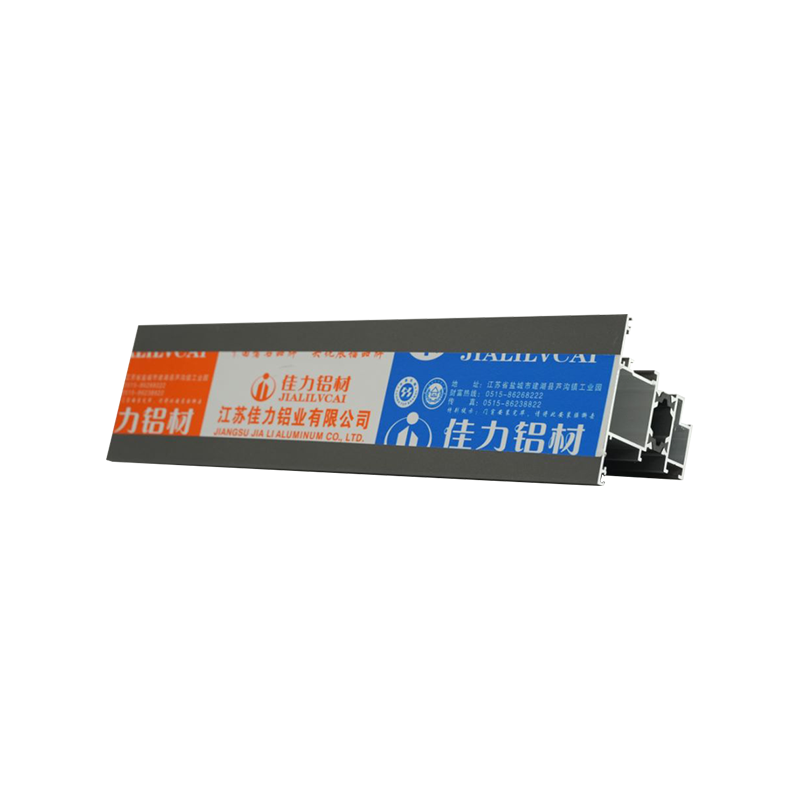
Polyamide thermal insulation strips (≥25mm width) interrupt thermal bridging in lightweight casement window architectural aluminum profile systems, reducing U-values from 5.8 W/m²K (non-thermally broken) to ≤1.8 W/m²K. For sliding configurations, sound insulation and heat insulation sliding window building aluminum profile designs incorporate dual thermal break paths and reinforced corners.
Air Sealing Hierarchy
- Primary seal: EPDM weatherstripping aluminum channels with shore A hardness 65±5 for compression resistance.
- Secondary seal: Silicone brush strips (0.2mm filament density) for sliding interfaces.
- Tertiary seal: Polyurethane foam backer rods at frame-to-wall junctions.
Field tests of thermally broken sliding windows (1.5m x 1.2m) show air leakage rates below 0.3 m³/h/m² at 300 Pa pressure differential—meeting passive house standards when combined with triple weatherstripping.
2. Lightweight Casement Profiles: Mechanical Advantages & Thermal Performance
Casement windows benefit from hinge-supported compression sealing. The lightweight casement window architectural aluminum profile reduces section weight by 18-22% compared to standard extrusions while maintaining moment of inertia requirements for wind load resistance up to 2400 Pa (Class C5/B5 per EN 12211).
Multi-Chamber Geometry
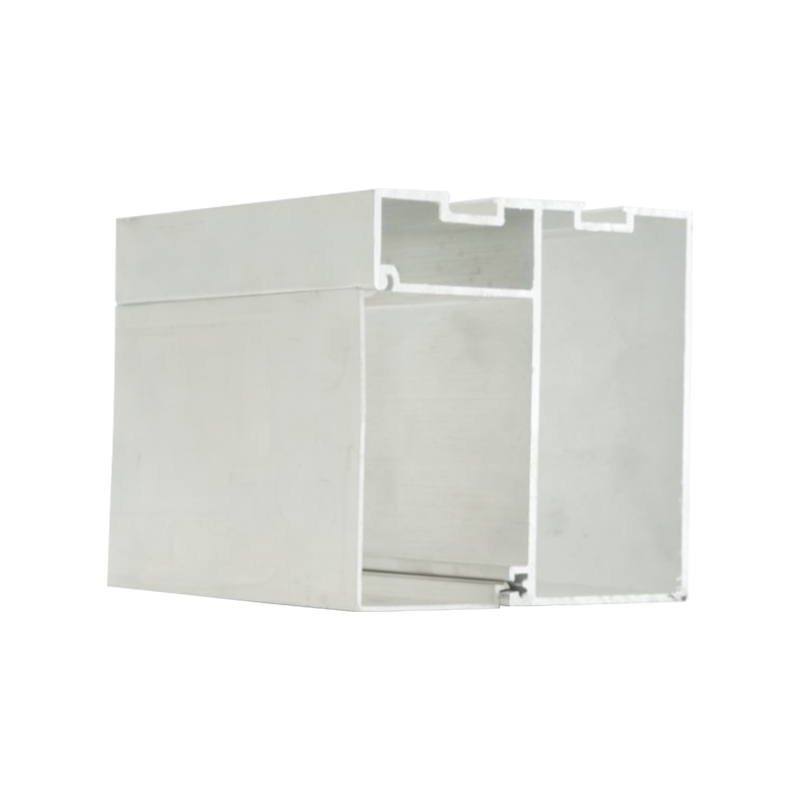
- 3-5 isolated air chambers (width 6-12mm each) impede convective heat transfer.
- Reinforced glazing pocket (min. 18mm depth) accommodates double-glazed units up to 32mm thickness.
- Corner cleat integration: cast aluminum brackets for mitered joints (tensile strength ≥160 MPa).
| Parameter | Standard Casement | Lightweight Thermal Casement |
|---|---|---|
| Frame weight (kg/m) | 1.65 | 1.32 |
| Thermal transmittance Uf (W/m²K) | 3.2 | 1.6 |
| Sound reduction Rw (C;Ctr) | 32 dB | 38 dB |
| Max sash opening angle | 90° | 110° (friction hinge) |
Load-bearing Considerations
Heavy-duty window extrusions with wall thickness ≥2.0mm (EN 12020-2:2020) are recommended for casement sashes exceeding 1.2m width. Finite element analysis indicates that double-reinforced corner brackets increase torsional rigidity by 47% compared to standard screw-fixed joints.
3. Sound & Heat Insulation Sliding Window Profiles
Sliding windows present unique engineering challenges due to overlapping sashes and track seals. The sound insulation and heat insulation sliding window building aluminum profile incorporates stepped thermal breaks and labyrinthine weatherseal paths to mitigate acoustic transmission.
Acoustic Frame Architecture
- Asymmetric sash profiles (outer 70mm / inner 45mm) disrupt coincidence dip frequencies.
- Laminated glass with PVB interlayer (0.76mm) combined with acoustic window frames yields weighted sound reduction Rw up to 45 dB.
- Stainless steel roller tracks with nylon wheels (hardness Shore D 80) reduce vibration transfer.
A 1.8m x 1.5m sliding window fitted with 5mm+12Ar+5mm laminated glass and dual weatherstripping aluminum channels achieved STC 39 and OITC 32 per ASTM E90, reducing exterior traffic noise (75 dB LAeq) to 36 dB indoors.
Thermal Performance Trade-offs
Unlike casement designs, sliding windows inherently allow greater air leakage. However, modern extruded solutions incorporate:
- Polyamide thermal break profiles (≥30mm length) with insulating foam filling (λ=0.035 W/mK).
- Double brush seals with integrated air pockets (compression set <15% after 10,000 cycles).
- Bottom rail drainage channels with capillary breaks to prevent thermal bypass.
| Configuration | Uw (W/m²K) | Rw (dB) | Air permeability (m³/h/m) |
|---|---|---|---|
| Single glazed, non-thermal | 5.7 | 27 | 2.5 |
| Double glazed, basic thermal break | 2.8 | 32 | 1.2 |
| Double glazed, multi-chamber + acoustic | 1.9 | 42 | 0.6 |
4. Anodized Finishes & Commercial Frame Durability
For anodized aluminum windows and aluminum doors and frames commercial applications, surface treatment directly influences lifecycle costs. Anodizing (Class AA15 to AA25 per ISO 7599) creates a 15-25μm oxide layer with hardness 300-400 HV.
Performance Advantages of Anodized Surfaces
- Corrosion resistance: Salt spray test >1,000 hours (ASTM B117) without pitting.
- Abrasion resistance: Taber wear index ≤20 mg/1,000 cycles (CS-17 wheel, 1,000g load).
- UV stability: No chalking or color shift after 5,000 hours QUV exposure.
Commercial Frame Engineering
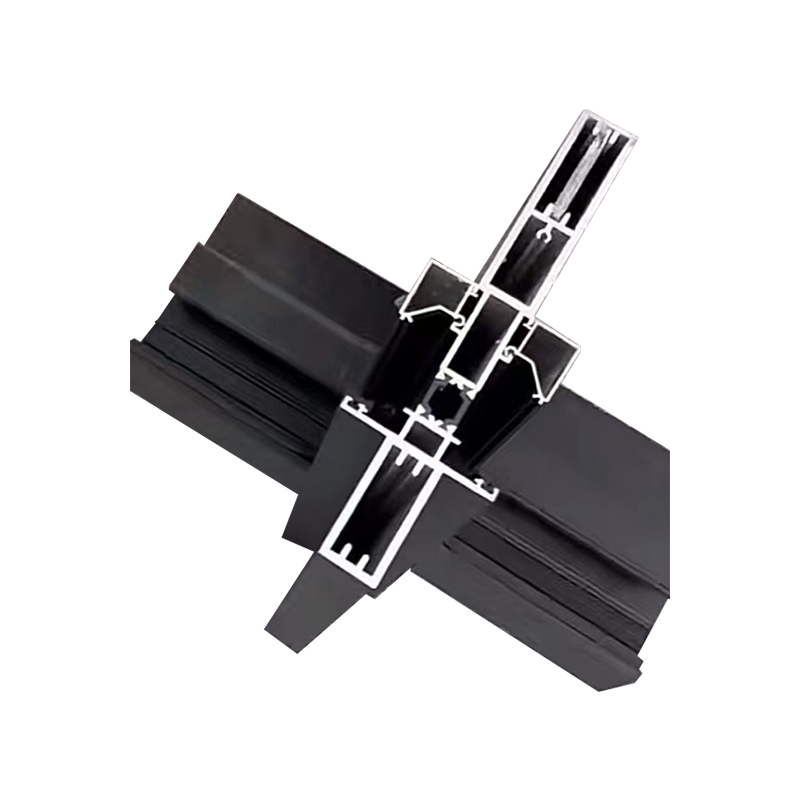
Storefront and curtain wall systems demand higher structural margins. Heavy-duty window extrusions for commercial applications feature:
- Wall thickness 2.2-3.0mm (vs. 1.4-1.8mm residential).
- Reinforcing steel inserts (galvanized C-channel) for mullions exceeding 3m spans.
- Weep hole covers with insect screens and capillary drainage slope (≥5°).
5. Double Glazing & Weatherseal Integration
Thermal and acoustic performance is maximized through proper integration of double glazed window profiles with sealing elements. Optimal glazing pocket design accommodates insulating glass units (IGUs) with gas fills and low-E coatings.
IGU Specification Guidelines
- Glass composition: 4mm/5mm/6mm (outer pane) + warm-edge spacer (TGI or Super Spacer) + argon/krypton fill (90-95% concentration).
- Low-E coating: pyrolytic (hard coat) or sputtered (soft coat), emissivity ε=0.04-0.10.
- Triple glazing for passive house: 44mm total thickness (4-16Ar-4-16Ar-4).
Simulations (THERM 7.0) of a double-glazed casement profile with 32mm IGU (4/18Ar/4, low-E ε=0.04) showed center-of-glass U-value 1.1 W/m²K and frame Uf 1.6 W/m²K, yielding total window Uw=1.3 W/m²K—compliant with IECC 2021 Zone 5 requirements.
Weatherstripping Channel Design
Precision-engineered weatherstripping aluminum channels must maintain compression force between 2.5-4.5 N per meter of contact length. Key parameters:
- Groove dimensions: 3.5mm width x 4.0mm depth with undercut retention geometry.
- Material pairing: EPDM (ethylene propylene diene monomer) for thermal stability (-40°C to +120°C).
- Compression set after 70h at 100°C: ≤25% (ISO 815).
| Seal Type | Material | Compression Force (N/m) | Air permeability (CFM/ft² @75Pa) |
|---|---|---|---|
| Bulb seal | EPDM (65 Shore A) | 3.2 | 0.08 |
| Finned seal | Silicone (50 Shore A) | 2.8 | 0.12 |
| Magnetic seal | EPDM + ferrite strip | 4.1 | 0.04 |
6. Comparative Selection: Casement vs Sliding for Project Requirements
Engineers must weigh trade-offs between thermal efficiency, acoustic isolation, and operational footprint. The following matrix summarizes performance differentials based on standardized testing (EN 14351-1 for windows).
Decision Matrix
- Energy retrofits: Casement profiles achieve 30-40% lower U-values than comparably priced sliding systems.
- Noise-sensitive projects: Acoustic window frames in casement designs outperform sliding by 6-10 dB Rw, but dual-seal sliding can approach parity within ±3 dB.
- Space-constrained openings: Sliding requires no swing radius, ideal for corridors or balcony doors.
- High wind zones (>2000 Pa): Casement with heavy-duty extrusions (wall thickness ≥2.2mm) or sliding with reinforced track.
7. Installation & Longevity Best Practices
Even premium anodized aluminum windows and aluminum doors and frames commercial underperform if installation details are neglected. Critical engineering considerations include thermal spacing, drainage, and fastener compatibility.
Thermal Spacing Blocks
Use structural spacers made of polyamide or fiber-reinforced plastic (thermal conductivity λ ≤ 0.3 W/mK) between frame and rough opening. Minimum 12mm gap filled with low-expansion foam prevents thermal bridging through fastener penetrations.
Corrosion Prevention
- Dissimilar metals: Isolate steel anchors from aluminum frames using nylon or EPDM washers (galvanic potential difference >0.5V requires isolation).
- Coastal environments: Specify anodized finish Class AA25 or fluoropolymer coating over AA15.
- Condensation management: Sloped sill (≥10°) with weep holes (≥6mm diameter) every 400mm.
Field inspections of commercial heavy-duty window extrusions after 15 years in C4 corrosivity zone (industrial/coastal) showed anodized layer thickness reduction <3μm, with no structural pitting. Thermally broken frames maintained original U-value within 5% of as-built measurement.
Frequently Asked Questions (FAQ)
Q1: What is the main difference between lightweight casement and sliding window aluminum profiles?
The primary engineering difference lies in the sealing mechanism. Casement profiles use compression seals (EPDM bulb gaskets) that achieve lower air infiltration (≤0.1 m³/h/m) and better thermal performance (Uf as low as 1.3 W/m²K). Sliding profiles rely on brush or fin seals with overlapping sashes, resulting in higher air leakage (0.5-1.5 m³/h/m) but offering space-saving operation and lower cost per square meter.
Q2: How do thermal insulation strips improve energy efficiency?
Polyamide thermal breaks (typically 25-40mm width) interrupt the conductive aluminum path between interior and exterior frames. This reduces the frame U-value by 60-70%—from ~5.7 W/m²K (non-thermally broken) to ≤1.8 W/m²K. When combined with double-glazed units and low-E coatings, complete window U-values can reach passive house levels (<0.8 W/m²K).
Q3: Can sliding windows achieve similar sound insulation as casement windows?
Yes, with specific engineering. Standard sliding windows achieve Rw 28-34 dB, while casement typically reaches 35-42 dB. However, sliding windows designed with asymmetric sashes, laminated acoustic glass (PVB interlayer), and triple brush seals with air gaps can achieve Rw up to 45 dB—comparable to premium casement systems. Field testing shows that acoustic window frames in sliding configurations reduce traffic noise by 35-40 dB when installed with proper perimeter sealing.
Q4: What anodized finish thickness is recommended for coastal commercial projects?
Class AA25 (25μm minimum thickness per ISO 7599) is recommended for aluminum doors and frames commercial in coastal (C5-M) environments. This provides salt spray resistance exceeding 1,000 hours without pitting. For severe marine exposure (direct spray zone), consider Class AA25 plus a clear organic topcoat or switch to fluoropolymer coating (PVDF) over the anodized layer.
Q5: How often should weatherstripping aluminum channels be replaced?
EPDM weatherstripping typically requires replacement every 10-15 years in normal conditions (UV exposure, temperature cycling). Signs of degradation include compression set exceeding 30% (permanently flattened), surface cracking, or increased air infiltration measured by blower door test. High-grade silicone seals can last 20+ years but cost 2-3x more than EPDM.
Q6: Are heavy-duty window extrusions necessary for high-rise buildings?
Yes, for buildings above 30m height or in wind zones with design pressure ≥2000 Pa. Heavy-duty extrusions (wall thickness 2.2-3.0mm vs. 1.4-1.8mm residential) provide necessary moment capacity and deflection limits (L/175 max per AAMA/WDMA). Finite element analysis should confirm that mullion spacing and reinforcement meet local building code wind load requirements.