ENG
ENG
 English
 русский
 中文简体
中文简体 Español
 Indonesia
Built-in shutter aluminum profile has become an essential component in modern architectural design, particularly for enhancing window functionality and overall building aesthetics. Among its many advantages, sound insulation is a key consideration for residential, commercial, and industrial applications. Noise pollution is increasingly recognized as a significant factor affecting comfort and productivity, making the choice of built-in shutter aluminum profile critical for creating quieter indoor environments.
Understanding Built-in Shutter Aluminum Profile
Definition and Function
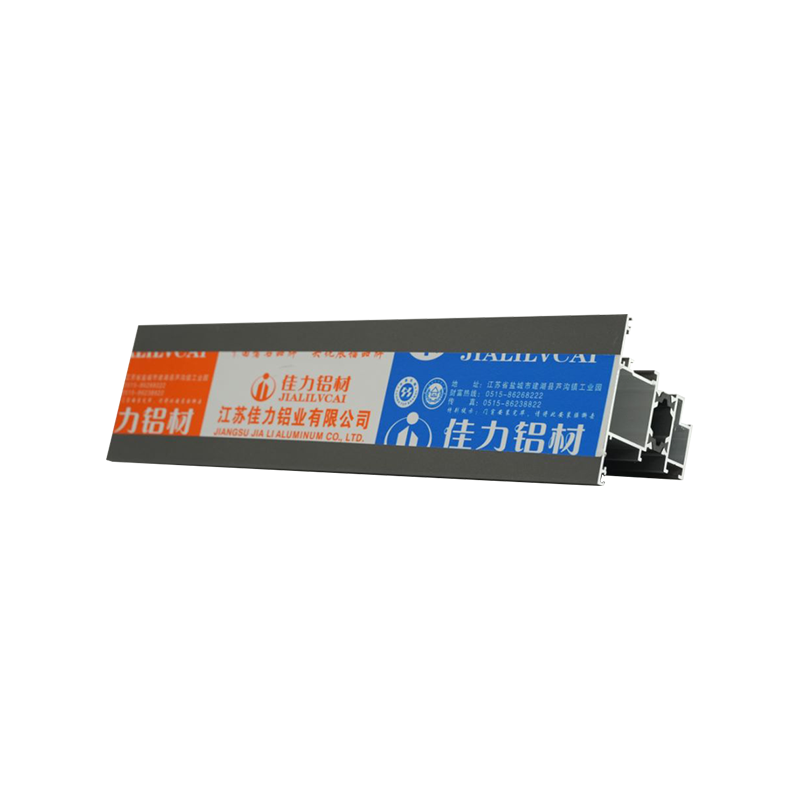
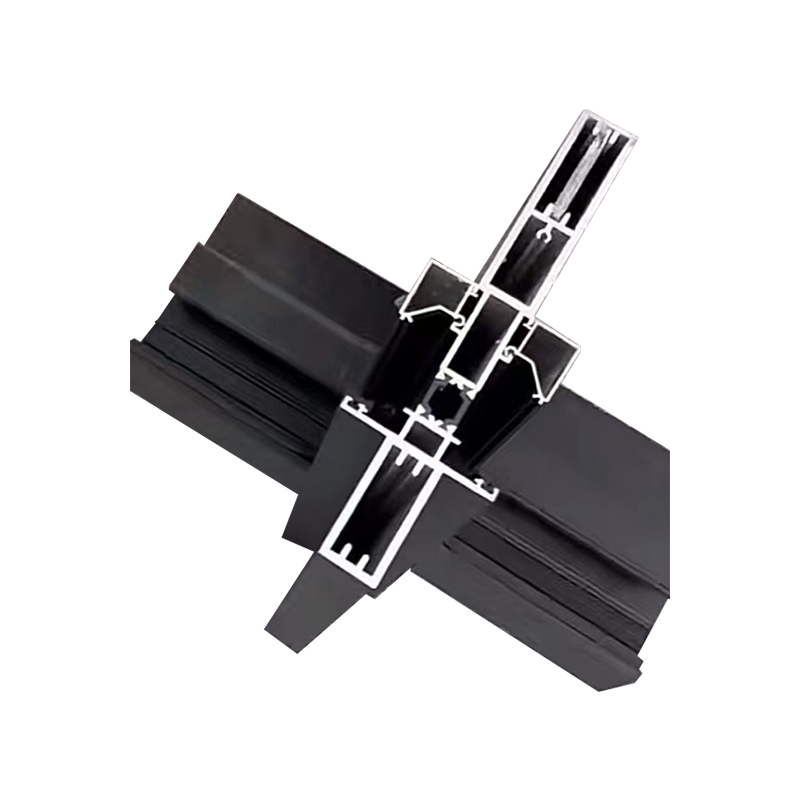
A built-in shutter aluminum profile refers to an aluminum frame or extrusion designed to house and support shutters that are integrated within window assemblies. Unlike traditional surface-mounted shutters, these profiles allow shutters to be recessed, offering a sleek and seamless finish while maintaining durability and structural integrity.
Key functions include:
- Structural support: Providing a robust framework for shutter panels.
- Thermal and acoustic insulation: Improving energy efficiency and soundproofing.
- Aesthetic enhancement: Offering a clean, integrated appearance without protruding elements.
The choice of built-in shutter aluminum profile directly influences the shutter’s performance in terms of noise reduction, ease of operation, and overall durability.
Material and Manufacturing Considerations
Most built-in shutter aluminum profiles are fabricated using high-grade aluminum alloys. These alloys are favored for their lightweight properties, corrosion resistance, and long service life.
Profiles can be treated with surface finishes such as powder coating or anodization, which not only enhance visual appeal but also contribute marginally to acoustic performance by reducing vibration transmission. However, profile design and cross-sectional geometry remain the most critical factors for sound insulation.
Factors Influencing Sound Insulation in Built-in Shutter Aluminum Profile
When evaluating the soundproofing performance of built-in shutter aluminum profile, several factors must be considered:
1. Profile Thickness and Geometry
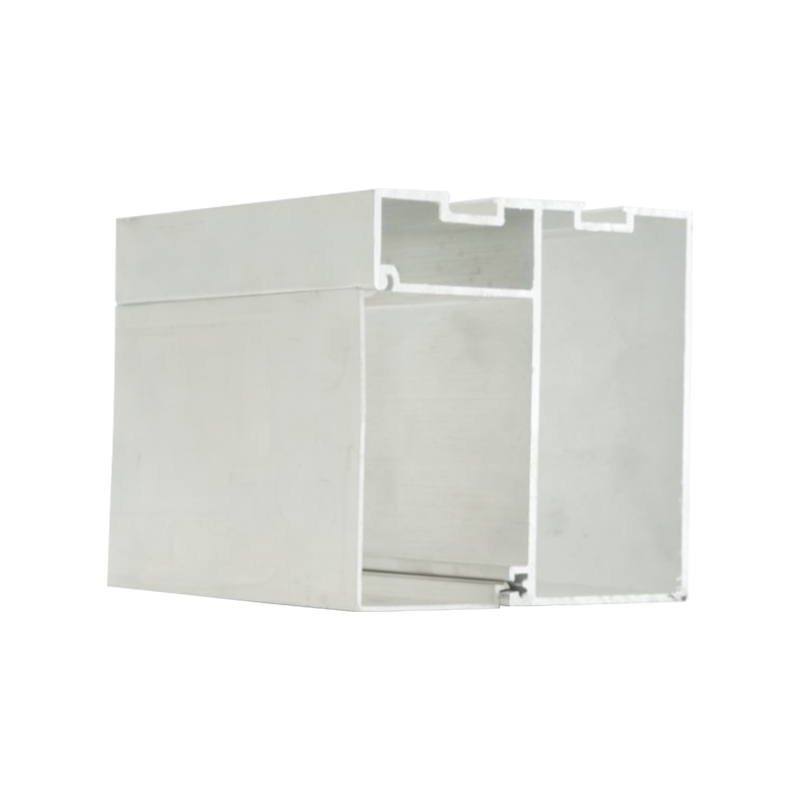
The thickness of the aluminum profile influences its capacity to dampen vibrations caused by external noise. Thicker profiles generally reduce sound transmission, while profiles with complex cross-sectional designs incorporating multiple chambers or cavities are especially effective at breaking sound pathways.
2. Shutter Panel Compatibility
A profile is only as effective as the shutter it supports. Profiles designed for double or triple shutter panels allow the inclusion of sound-absorbing materials within the shutter itself, significantly improving acoustic performance.
3. Seal and Gasket Integration
Built-in shutter aluminum profile often includes grooves or channels for seals and gaskets. Proper integration of high-quality sealing materials is essential for blocking gaps where noise could penetrate, making profiles with dedicated gasket systems more suitable for sound-sensitive environments.
4. Installation Quality
Even the best profiles cannot perform optimally without professional installation. Proper alignment, sealing, and attachment to surrounding structures ensure the intended soundproofing benefits are achieved.
Types of Built-in Shutter Aluminum Profile for Sound Insulation
There are several types of built-in shutter aluminum profile, each with unique characteristics impacting noise reduction. Understanding these types helps buyers and specifiers make informed decisions.
1. Multi-Chamber Profiles
Multi-chamber designs feature internal cavities separated by vertical or horizontal walls, which disrupt sound waves and reduce transmission. These profiles are particularly effective in residential and commercial applications where noise reduction from street traffic or nearby industrial activity is critical.
Benefits:
- Enhanced vibration damping.
- Compatibility with sound-absorbing materials.
- Improved thermal performance, often providing secondary insulation benefits.
Considerations:
- Slightly higher material cost compared to single-chamber profiles.
- Requires precise manufacturing to maintain chamber integrity.
2. Thermal Break Profiles
Thermal break built-in shutter aluminum profiles contain non-metallic inserts that separate internal and external surfaces. While primarily designed for thermal insulation, these inserts also act as sound barriers, reducing the vibration transfer through the aluminum.
Benefits:
- Combined thermal and acoustic insulation.
- Reduced condensation risk, which can indirectly improve acoustic longevity by preventing corrosion.
Considerations:
- Slightly more complex installation.
- Performance depends on the quality and placement of the thermal break.
3. Reinforced Profiles
Profiles reinforced with additional internal ribs or metal inserts provide structural rigidity, which minimizes vibration and rattling. Reinforced built-in shutter aluminum profiles are ideal for areas exposed to high wind or mechanical vibration, as the added stiffness reduces noise propagation.
Benefits:
- Stronger structural performance.
- Better sound insulation in high-vibration environments.
Considerations:
- Heavier profiles may increase installation complexity.
- Cost can be higher due to additional materials and manufacturing steps.
4. Acoustic-Specific Profiles
Some profiles are specifically engineered for soundproofing applications, with features like integrated acoustic gaskets, double-wall construction, and vibration damping layers. These are optimal for high-noise areas such as offices, hospitals, and hotels.
Benefits:
- Targeted sound reduction.
- Allows integration of soft or porous materials within the profile.
Considerations:
- More specialized, potentially limiting availability.
- Requires precise installation for maximum effectiveness.
Installation Practices to Maximize Sound Insulation
Even the highest-quality built-in shutter aluminum profile cannot perform optimally without proper installation. Best practices include:
- Precision measurement: Ensuring profiles fit snugly within the window opening reduces gaps that allow noise leakage.
- Use of high-quality gaskets: Acoustic seals significantly enhance soundproofing.
- Seamless corner connections: Avoiding misalignment at corners prevents noise bypass.
- Proper integration with surrounding structures: Profiles should be anchored securely to reduce vibration transfer to walls and frames.
Following these steps ensures that the installed shutter performs as intended for noise reduction.
Comparison Table: Profile Types and Sound Insulation
| Profile Type | Key Acoustic Feature | Ideal Applications | Considerations |
|---|---|---|---|
| Multi-Chamber | Multiple internal cavities block sound | Residential, commercial windows | Higher material cost |
| Thermal Break | Non-metallic inserts reduce vibration | Energy-efficient and quiet spaces | Slightly complex installation |
| Reinforced | Rigid structure minimizes rattling | High-wind or vibration areas | Heavier, costlier |
| Acoustic-Specific | Gaskets and damping layers | Hotels, hospitals, offices | Specialized design, precise install |
Buyer Considerations for Soundproof Built-in Shutter Aluminum Profile
When selecting built-in shutter aluminum profile for sound insulation, buyers should prioritize:
- Noise reduction rating: Look for profiles with certified acoustic performance.
- Compatibility with shutters: Ensure that the shutter design complements the profile for maximum soundproofing.
- Material quality: High-quality aluminum and coatings contribute to long-term performance.
- Installation support: Choose suppliers who provide guidance for professional installation.
- Maintenance requirements: Profiles with integrated gaskets and easy cleaning surfaces reduce long-term performance issues.
Using these criteria allows buyers to balance cost, durability, and acoustic performance effectively.
Industry Trends in Built-in Shutter Aluminum Profile for Noise Control
The demand for soundproofing solutions in urban environments has driven innovations in built-in shutter aluminum profile design. Emerging trends include:
- Integration with smart home automation: Shutters can now adjust for noise mitigation at certain times of the day.
- Eco-friendly and sustainable materials: Aluminum recycling and low-emission coatings reduce environmental impact while maintaining performance.
- Enhanced acoustic sealing technology: Profiles increasingly feature improved gasket channels, vibration damping inserts, and modular design for retrofitting existing windows.
Manufacturers and architects are actively seeking profiles that meet both acoustic performance standards and sustainability requirements.
Conclusion
Choosing the right built-in shutter aluminum profile is critical for achieving effective sound insulation in modern buildings. Multi-chamber, thermal break, reinforced, and acoustic-specific profiles each offer unique advantages for different noise-sensitive applications.
By considering material quality, profile geometry, shutter compatibility, and professional installation, buyers and manufacturers can maximize acoustic performance while maintaining durability and aesthetic appeal.
As noise control becomes increasingly important in urban design, investing in the right built-in shutter aluminum profile ensures long-term comfort, reduced noise pollution, and enhanced building value.