ENG
ENG
 English
 русский
 中文简体
中文简体 Español
 Indonesia
Understanding the weight capacity of a telescopic door aluminum profile is a critical factor for architects, contractors, and buyers when selecting the right door system for residential, commercial, or industrial applications. The structural performance of a telescopic door aluminum profile depends on multiple factors, including material composition, design, installation quality, and intended usage.
Importance of determining weight capacity
When selecting a telescopic door aluminum profile, one of the primary considerations is ensuring that the system can handle the intended load without compromising safety or performance. Weight capacity affects the longevity, operational efficiency, and safety of the door. A profile that is insufficiently rated can result in premature wear, misalignment, or even structural failure.
Ensuring the correct weight capacity provides several advantages:
- Safety assurance: Prevents mechanical failures that could cause injury or damage.
- Smooth operation: Maintains optimal sliding and telescopic movement even under heavy loads.
- Longevity: Extends the service life of the door system by reducing stress on structural components.
- Compliance: Meets building codes and safety regulations, particularly for commercial or high-traffic environments.
Factors affecting the weight capacity of a telescopic door aluminum profile
Material and alloy composition
The aluminum alloy used in a telescopic door aluminum profile is a primary factor in determining weight capacity. High-strength aluminum alloys provide increased structural rigidity and resistance to bending or deformation under load. Users often search for terms such as “durable aluminum profiles for heavy doors” or “high-strength telescopic aluminum profiles” to ensure that their chosen profile can support the intended weight.
The choice of alloy affects:
- Tensile strength: The ability of the profile to resist stretching or bending.
- Hardness: Resistance to surface dents or deformation during daily use.
- Corrosion resistance: Profiles exposed to humid or outdoor environments require additional protective coatings to maintain strength over time.
Profile design and cross-section
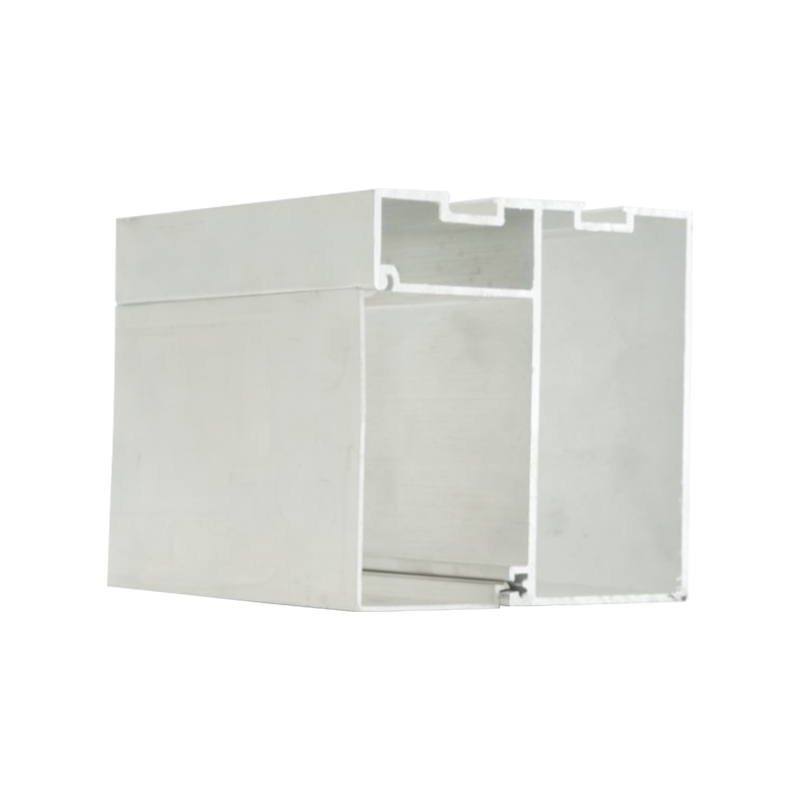
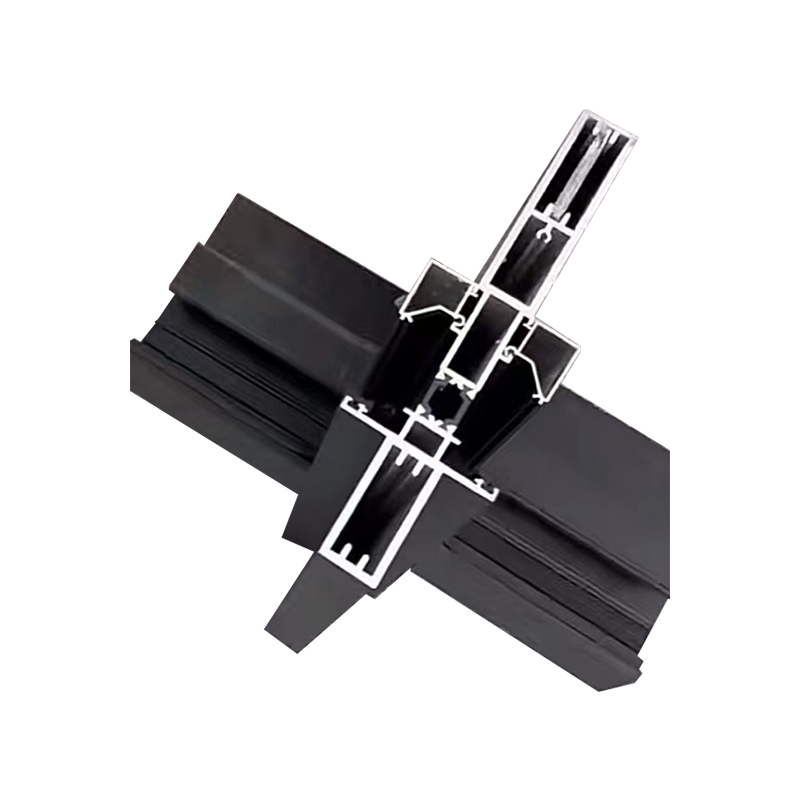
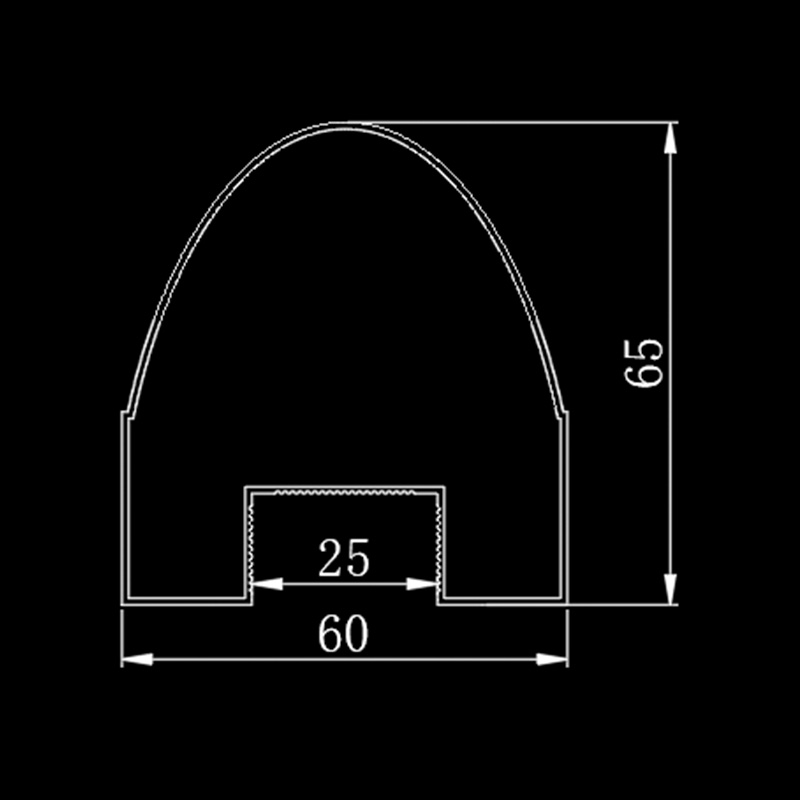
The geometry of the telescopic door aluminum profile plays a significant role in weight support. Profiles with reinforced channels, multiple chambers, or thicker walls provide greater rigidity. Buyers often investigate “telescopic door aluminum profile design for heavy glass panels” or “profiles with reinforced structure” to identify systems capable of handling higher loads.
Key design elements that influence weight capacity include:
- Wall thickness: Thicker walls improve resistance to bending and torsion.
- Reinforcement ribs: Additional internal supports help distribute weight more evenly.
- Multi-chamber designs: Profiles with multiple internal chambers reduce flexing and increase overall structural integrity.
Glass or panel weight
The total weight applied to a telescopic door aluminum profile is not limited to the aluminum itself; it includes the weight of glass panels, doors, and accessories. Buyers often search for “aluminum profiles for heavy glass doors” or “load-bearing sliding door profiles”. Accurately determining the expected door weight is essential before selecting a profile.
Considerations include:
- Glass thickness: Thicker or laminated glass panels increase load.
- Door height and width: Larger dimensions create additional leverage and stress on the profile.
- Accessories weight: Handles, locks, and other hardware contribute to total load.
Installation quality
Proper installation directly affects the weight capacity of a telescopic door aluminum profile. Even a high-strength profile may underperform if installed incorrectly. Terms like “correct installation for heavy telescopic doors” or “sliding door alignment tips” are frequently searched by contractors and buyers.
Critical installation factors:
- Anchor points: Profiles must be securely anchored to walls or floor tracks.
- Level alignment: Misaligned tracks can cause uneven load distribution and increase wear.
- Roller adjustment: Smooth operation relies on properly adjusted rollers and guides to support the weight evenly.
Environmental factors
Environmental conditions can influence the effective weight capacity of a telescopic door aluminum profile. Buyers often consider “aluminum profiles for humid or coastal environments” when selecting durable solutions. Factors include:
- Temperature fluctuations: Extreme heat or cold can affect aluminum expansion and contraction.
- Humidity or moisture exposure: Can impact corrosion resistance and long-term strength.
- Wind load or external pressure: Particularly relevant for exterior doors in high-rise buildings.
Methods for evaluating weight capacity
Manufacturer specifications
The first reference point is always the technical specification sheet provided by the profile manufacturer. These documents typically indicate the maximum recommended weight per panel, suitable door height, and structural limitations. Buyers often search for “load chart for telescopic door aluminum profile” or “technical weight ratings for aluminum sliding doors”.
Comparative analysis
Comparing multiple profiles is a practical approach to ensure optimal selection. Consider profiles with similar dimensions and material compositions but different reinforcement designs. Users often search for “best telescopic door aluminum profile for heavy doors” to compare options.
Testing and certification
Some profiles undergo independent testing to confirm weight capacity. Certifications or test reports provide evidence of structural performance under real-world conditions. Buyers may search for “certified heavy-duty telescopic aluminum profiles” to ensure compliance with building standards.
Maintenance and inspection
Regular inspection of the telescopic door aluminum profile ensures the system maintains its designed weight capacity over time. Key areas to monitor include:
- Rollers and guides: Ensure they remain free of wear and debris.
- Anchoring points: Verify bolts and screws remain tight.
- Surface condition: Check for corrosion or damage that could weaken the profile.
Typical applications based on weight capacity
Residential applications
For homes, a telescopic door aluminum profile often supports standard glass panels or lightweight composite doors. Typical searches include “aluminum sliding doors for residential use”. Profiles in this category are designed to handle moderate weight while prioritizing aesthetics and smooth operation.
Commercial and high-traffic areas
In offices, shopping centers, or hotels, the doors are larger and heavier, requiring a profile with higher weight capacity. Terms such as “commercial-grade telescopic door aluminum profile” are frequently used by buyers seeking reliable and durable solutions.
Industrial environments
Industrial applications often require profiles to support very heavy panels, sometimes with metal inserts or reinforced glass. Buyers search for “heavy-duty aluminum profiles for industrial telescopic doors”, emphasizing durability and long-term performance under continuous use.
Buyer considerations for selecting the right profile
When determining the weight capacity, buyers should consider the following:
- Expected door load: Include glass, panels, and accessories.
- Profile material and alloy: Ensure high-strength aluminum for heavy doors.
- Structural design: Prefer reinforced channels and multi-chamber profiles.
- Installation environment: Factor in temperature, humidity, and wind conditions.
- Operational frequency: High-traffic doors require profiles designed for repeated use.
Common misconceptions
Several misunderstandings exist regarding the weight capacity of telescopic door aluminum profiles:
- Thicker aluminum always means higher capacity: While wall thickness contributes, design and alloy quality are equally important.
- Installation does not affect weight capacity: Improper installation can significantly reduce performance.
- All profiles can handle heavy glass: Only profiles designed for heavy-duty applications are suitable.
Summary
Determining the weight capacity of a telescopic door aluminum profile requires a comprehensive understanding of material properties, design features, installation quality, and environmental considerations. Buyers should assess manufacturer specifications, compare design options, and ensure proper installation to achieve safe, smooth, and long-lasting operation.
Tables of Considerations for Weight Capacity
| Factor | Description |
|---|---|
| Material Alloy | Determines tensile strength, hardness, and corrosion resistance |
| Profile Design | Wall thickness, reinforcement ribs, multi-chamber design |
| Door Weight | Glass, panels, accessories |
| Installation | Proper alignment, anchoring, roller adjustment |
| Environmental Conditions | Temperature, humidity, wind load |
| Maintenance | Regular inspection of rollers, anchors, and surface condition |
| Application Type | Typical Profile Requirements |
|---|---|
| Residential | Moderate weight, aesthetic design, smooth operation |
| Commercial | Larger panels, higher weight capacity, frequent use |
| Industrial | Heavy-duty, reinforced profiles, continuous operation |
By following these guidelines, buyers and manufacturers can ensure that their telescopic door aluminum profile meets the required weight capacity for safety, performance, and durability.