ENG
ENG
 English
 русский
 中文简体
中文简体 Español
 Indonesia
Understanding Built-in Shutter Aluminum Window Profiles
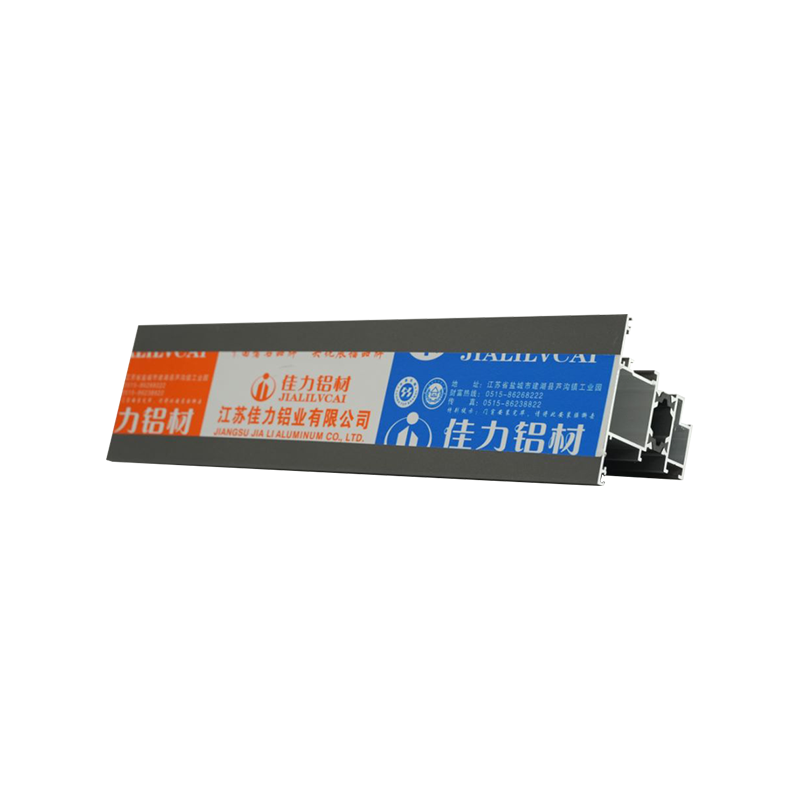
A built-in shutter aluminum profile represents an advanced architectural solution that integrates adjustable louvers or blinds directly within the aluminum window frame structure. Unlike traditional external shutter systems that require separate mounting hardware and occupy additional wall space, these integrated profiles incorporate the shutter mechanism into the window's extruded aluminum framework, creating a seamless, space-efficient fenestration solution. The technology combines the structural integrity of aluminum extrusion profiles with the functional versatility of integrated shading systems, delivering superior performance for both residential and commercial applications.
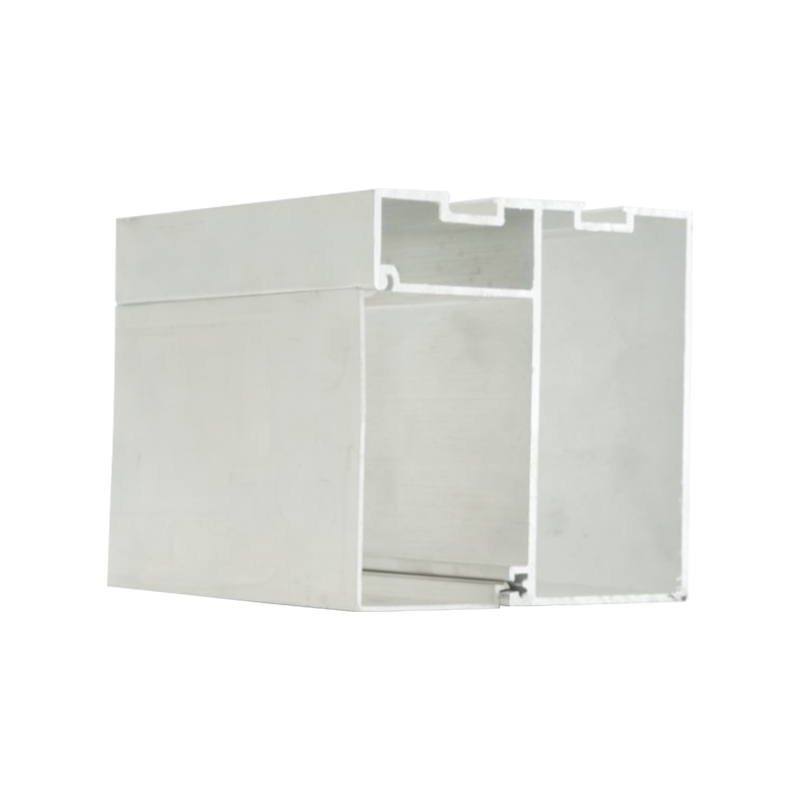
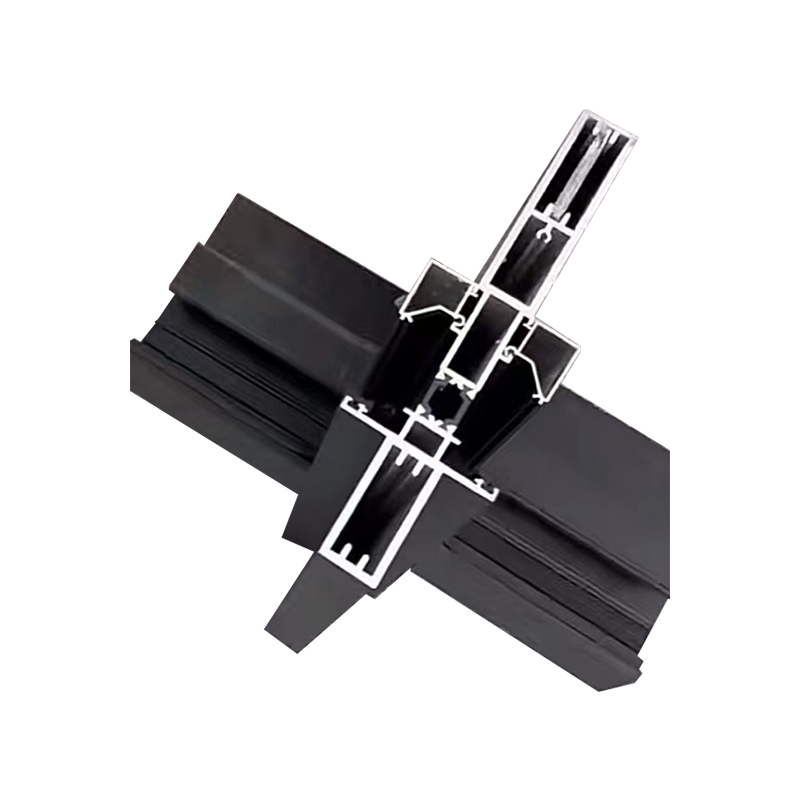
The fundamental design principle involves precision-engineered aluminum extrusions that accommodate shutter slats within specially designed channels or cavities. These profiles typically feature multi-chamber construction, with dedicated spaces for glazing units, thermal breaks, and the integrated shutter assembly. The aluminum alloy composition, most commonly 6063-T5 or 6063-T6 temper grades, provides the optimal balance of extrudability, corrosion resistance, and structural strength required for this sophisticated window system. According to industry specifications, external profiles maintain a minimum wall thickness of 2.2 mm, while internal structural components typically measure 1.4 mm to 2.0 mm, ensuring adequate load-bearing capacity while maintaining manufacturing efficiency.
The integration of shutters within the aluminum profile delivers multiple functional advantages. The sealed environment protects the shutter mechanism from environmental degradation, significantly extending operational lifespan compared to external mounting systems. Dust accumulation, a common issue with conventional blinds, is virtually eliminated as the shutter assembly resides within the protected inter-pane space or dedicated profile cavities. This design approach also enhances security, as the integrated mechanism cannot be accessed from the exterior, providing an additional deterrent against unauthorized entry attempts.
Technical Architecture and Design Configurations
Profile Geometry and Structural Components
The structural architecture of built-in shutter aluminum profiles encompasses several critical design elements that determine system performance. The primary frame profile incorporates a thermal break cavity when specified for energy-efficient applications, with polyamide strips measuring 14.8 mm to 24 mm in width creating the thermal separation between interior and exterior aluminum sections. This thermal break technology enables the window system to achieve U-values as low as 1.3 W/m²K, representing a significant improvement over non-thermal break alternatives that typically exhibit U-values exceeding 3.5 W/m²K.
The shutter integration cavity within the profile system requires precise dimensional tolerances to ensure smooth operation. Standard configurations accommodate shutter slats ranging from 15 mm to 25 mm in width, with the cavity depth varying between 27 mm and 40 mm depending on the specific application requirements. The slat mounting channels feature low-friction surfaces, often achieved through specialized anodizing treatments or the application of polymer guide strips that minimize operational resistance while maintaining positional stability across the entire adjustment range.
Multi-point locking systems integrate seamlessly with the profile geometry, with hardware mounting positions pre-engineered during the extrusion die design phase. This integration eliminates the need for post-extrusion machining in critical stress areas, preserving the structural integrity of the profile while ensuring precise hardware alignment. The locking mechanism typically engages at three or more points along the sash perimeter, providing uniform compression of weather seals and enhanced resistance to forced entry attempts.
Glazing Integration and Cavity Management
Built-in shutter systems accommodate various glazing configurations, with the most common specification being double-glazed units featuring overall thicknesses between 24 mm and 36 mm. The inter-pane space, typically filled with argon gas for enhanced thermal performance, houses the shutter assembly in sealed-unit configurations. This arrangement positions the shutter slats between the glass panes, creating a completely sealed environment that eliminates maintenance requirements while providing superior acoustic dampening properties. Sound insulation ratings for these systems commonly exceed 35 dB, with high-performance configurations achieving ratings above 40 dB when combined with laminated glass options.
The glazing rebate design within the aluminum profile must accommodate both the glass unit thickness and the shutter mechanism clearance. Standard rebate depths range from 18 mm to 25 mm, with dual-chamber designs separating the glazing retention function from the shutter guidance system. EPDM gaskets, specified to ASTM C864 standards, provide the primary weather seal, with dual-durometer designs incorporating both rigid retention sections and flexible sealing lips to accommodate thermal movement while maintaining weathertight integrity.
For applications requiring enhanced solar control, low-emissivity coatings can be applied to the glass surfaces facing the shutter cavity. This configuration reflects thermal energy while allowing visible light transmission, with the shutter slats providing additional modulation capability. The combination of fixed low-E coating and adjustable shutter positioning enables precise control over solar heat gain coefficients, with achievable values ranging from 0.25 to 0.65 depending on shutter angle and glass specification.
Material Specifications and Alloy Selection
Aluminum Alloy Characteristics
The selection of aluminum alloy significantly influences the performance characteristics of built-in shutter window profiles. The 6000 series alloys, particularly 6063 and 6061, dominate this application sector due to their excellent extrusion characteristics and mechanical properties. Alloy 6063, with its magnesium and silicon composition (Mg 0.45-0.9%, Si 0.20-0.6%), offers superior surface finish quality and extrudability, making it ideal for complex profile geometries requiring thin walls and intricate cavities. The T5 temper condition, achieved through air cooling after extrusion followed by artificial aging, provides a tensile strength of approximately 140 MPa with 8% elongation, sufficient for most residential and light commercial applications.
For projects requiring enhanced structural performance, 6063-T6 temper increases tensile strength to 205 MPa while maintaining reasonable ductility with 10% elongation. This specification proves particularly valuable for large-format windows or installations in high-wind-load regions where profile deflection must be minimized. The T6 condition requires water quenching immediately after extrusion, followed by artificial aging at elevated temperatures, a process that demands precise control to prevent distortion in complex multi-cavity profiles.
Alternative alloy selections include 6061, which offers higher strength (290 MPa in T6 condition) at the cost of reduced extrusion speed and increased die wear. This alloy finds application in structural mullions or high-rise installations where wind loads exceed the capacity of standard 6063 profiles. The chemical composition of 6061 includes higher magnesium (0.8-1.2%) and copper (0.15-0.40%) content, contributing to its superior mechanical properties while maintaining adequate corrosion resistance for most architectural applications.
Surface Treatment and Finish Durability
Surface treatment selection critically impacts both aesthetic presentation and long-term durability of aluminum shutter profiles. Anodizing, the electrochemical conversion of the aluminum surface to aluminum oxide, provides a hard, wear-resistant finish with excellent corrosion protection. Standard architectural anodizing achieves coating thicknesses between 8 μm and 12 μm, with Class I anodizing (20 μm minimum) specified for coastal or high-traffic applications. The anodic coating maintains metallic appearance while providing a surface hardness of approximately 300 HV, significantly exceeding the base aluminum hardness of 60-70 HV.
Powder coating represents the predominant finish choice for colored applications, with electrostatic application of polyester or fluoropolymer powders followed by curing at 180-200°C. Standard polyester coatings achieve film thicknesses of 60-80 μm, providing excellent color retention and chalk resistance for up to 10 years in moderate climates. Premium fluoropolymer coatings (PVDF), specified to AAMA 2605 standards, extend color stability to 20 years or more, with superior resistance to UV degradation and chemical exposure. These coatings prove particularly valuable for projects in tropical or high-altitude environments where solar radiation intensity accelerates conventional coating degradation.
Electrophoretic coating, combining anodizing with organic resin deposition, offers enhanced corrosion protection for exceptionally aggressive environments. This dual-layer system applies a colorless anodic base layer (8-10 μm) followed by acrylic resin electrodeposition (15-25 μm), creating a composite finish that withstands 2000+ hours in salt spray testing per ASTM B117 protocols. The smooth, continuous film provides excellent resistance to mortar and cement contamination during construction, reducing the risk of permanent staining during the building phase.
Manufacturing Processes and Quality Control
Extrusion and Precision Engineering
The manufacturing of built-in shutter aluminum profiles commences with precision die design, utilizing advanced CAD/CAM systems to define complex multi-cavity geometries. Extrusion dies for window profiles typically incorporate H13 tool steel construction, heat-treated to 48-52 HRC to withstand the pressures exceeding 1000 MPa generated during aluminum extrusion. The die design must account for material flow balance across multiple cavities, ensuring uniform wall thickness and dimensional consistency throughout the profile length. Modern extrusion facilities employ 1800-ton to 2500-ton capacity presses, capable of producing profiles up to 200 mm in width with linear tolerances of ±0.5 mm per meter.
Billet preparation involves homogenization heat treatment at 560-580°C to dissolve magnesium silicide precipitates and ensure uniform alloy composition. The extrusion process itself maintains billet temperatures between 450-480°C, with container temperatures controlled to within ±10°C to ensure consistent flow characteristics. Profile exit temperatures are monitored using infrared pyrometers, with automated quenching systems activating when T6 temper specifications are required. The extrusion speed varies between 8-20 meters per minute depending on profile complexity, with slower speeds employed for thin-walled sections to prevent distortion.
Straightening operations follow extrusion, utilizing CNC-controlled stretchers that apply controlled tension (0.5-2% elongation) to eliminate natural extrusion curvature. This process is particularly critical for built-in shutter profiles, as any residual twist or bow affects the alignment of shutter mechanisms and compromises operational smoothness. Precision cutting to length (±1 mm tolerance) employs carbide-tipped saw blades with optimized tooth geometry to prevent burr formation, with automatic deburring stations ensuring clean edges that do not interfere with gasket seating or hardware installation.
Quality Assurance and Testing Protocols
Comprehensive quality control systems govern the production of aluminum shutter profiles, encompassing both in-process monitoring and final inspection protocols. Dimensional verification utilizes coordinate measuring machines (CMM) with 0.01 mm resolution, checking critical dimensions including cavity widths, wall thicknesses, and groove geometries that affect shutter operation. Statistical process control (SPC) charts track dimensional variation across production runs, with automatic alerts triggering when measurements approach specification limits.
Mechanical property verification requires destructive testing of sample extrusions, with tensile testing per ASTM B221 confirming yield strength, ultimate tensile strength, and elongation values. Hardness testing using Webster or Barcol instruments provides rapid verification of temper condition, with readings taken at multiple points along the profile length to ensure uniformity. For anodized profiles, coating thickness measurement employs eddy current gauges, with adhesion testing conducted per ASTM D3359 using cross-hatch tape tests to verify coating integrity.
Corrosion resistance testing forms a critical component of quality assurance, particularly for profiles intended for coastal or industrial applications. Salt spray testing per ASTM B117 subjects samples to continuous salt fog exposure (5% NaCl solution at 35°C), with performance criteria requiring 1000+ hours without significant coating degradation for standard finishes and 3000+ hours for premium marine-grade specifications. Additionally, filiform corrosion testing evaluates the resistance of coated profiles to under-film corrosion propagation, with acceptance criteria limiting filament length to less than 2 mm after 1000 hours exposure.
Operational Mechanisms and Control Systems
Manual and Automated Shutter Operation
Built-in shutter aluminum profiles accommodate various control mechanisms, ranging from simple manual operation to sophisticated automated systems integrated with building management platforms. Manual systems typically employ magnetic actuation, where external magnetic controls positioned on the interior glass surface engage with magnetic carriers attached to the shutter slats within the sealed cavity. This design eliminates the need for penetration through the glass unit, maintaining the hermetic seal while allowing intuitive operation. The magnetic coupling force, typically specified at 2-5 N, provides sufficient engagement for reliable slat positioning while preventing excessive resistance during adjustment.
Cord-operated systems represent an alternative manual configuration, utilizing polyester fiber cords (0.8-1.2 mm diameter) that traverse the cavity perimeter to connect shutter slats with external control hardware. These cords demonstrate excellent fatigue resistance, with testing protocols requiring 10,000+ operational cycles without significant wear or strength degradation. The cord routing within the profile cavity requires precision-engineered pulley systems or low-friction guide channels to minimize operational effort and ensure synchronized slat movement across the full window width.
Motorized operation systems integrate micro-motors (24V DC, 5-15 W power consumption) within the profile head section, connected to the shutter mechanism through sealed magnetic couplings or internal drive shafts. These systems enable integration with smart home platforms via wireless protocols (Zigbee, Z-Wave, or Wi-Fi), allowing automated scheduling, light-level sensing, and remote operation through mobile applications. Motorized systems typically achieve full shutter travel (0-90 degrees) in 8-15 seconds, with position feedback sensors enabling precise intermediate positioning for optimal light control.
Control Interface and User Experience
The user interface for built-in shutter systems varies by operational mode, with manual systems prioritizing intuitive tactile feedback and motorized systems offering digital control options. Magnetic control sliders feature ergonomic profiles with knurled or soft-touch surfaces, mounted on the interior glass face through low-profile adhesive bases that do not compromise the glazing seal. Slider travel corresponds linearly to shutter angle, with detent positions at 0, 45, and 90 degrees providing positive feedback for common settings. The magnetic engagement maintains position without additional locking mechanisms, with holding force sufficient to resist gravitational drift even in vertically oriented applications.
Electronic control interfaces for motorized systems encompass wall-mounted switches, handheld remotes, and integrated building automation connections. Wall switches typically offer raise/lower/stop functionality with optional intermediate position programming, while advanced touch panels display current shutter status and allow precise percentage-based positioning. Integration with daylight harvesting systems enables automatic shutter adjustment based on interior illumination levels, with photosensors measuring ambient light and controllers positioning shutters to maintain target luminance while maximizing natural light utilization and minimizing artificial lighting energy consumption.
Performance Characteristics and Technical Data
Thermal and Acoustic Performance
The thermal performance of built-in shutter aluminum window systems significantly exceeds that of conventional window configurations, with the integrated shutter assembly contributing to reduced heat transfer through multiple mechanisms. When closed, the shutter slats create an additional air barrier within the glazing cavity, increasing the effective thermal resistance of the assembly. Systems incorporating thermal break profiles and low-E glazing achieve U-values ranging from 1.0 to 1.6 W/m²K, representing 30-40% improvement over equivalent non-shutter windows. The adjustable nature of the shutter system allows dynamic thermal management, with closed positions reducing winter night heat loss by 15-25% compared to bare glazing.
Solar heat gain coefficient (SHGC) modulation represents a key performance advantage, with adjustable shutters enabling real-time control over solar energy admission. Fully open slat positions (perpendicular to glazing) maintain SHGC values near 0.6 for high solar admission during heating seasons, while closed positions (parallel to glazing) reduce SHGC to 0.15-0.25, blocking 75-85% of incident solar radiation during cooling periods. This dynamic control capability enables optimization of building energy performance across varying climatic conditions and occupancy schedules.
Acoustic performance benefits from the multiple air cavities and mass layers created by the integrated shutter system. Standard double-glazed configurations with integrated shutters achieve weighted sound reduction indices (Rw) of 35-38 dB, with high-performance triple-glazed systems reaching 42-45 dB. The shutter slats, particularly when fabricated from aluminum with 0.4-0.6 mm thickness, provide additional mass that dampens sound transmission across the frequency spectrum. The sealed cavity environment prevents dust accumulation on shutter surfaces, maintaining consistent acoustic performance over the system lifespan without the degradation common to exposed blind systems.
Air and Water Tightness Standards
Built-in shutter aluminum window systems undergo rigorous testing to verify weathertight performance, with classification per AAMA/WDMA/CSA 101/I.S.2/A440 or equivalent European EN 12207/12208 standards. Air infiltration testing measures uncontrolled air leakage through the assembly under standardized pressure differentials (75 Pa and 300 Pa), with high-performance systems achieving Class 4 ratings corresponding to leakage rates below 0.5 m³/h·m² at 100 Pa pressure difference. The integration of continuous EPDM gaskets and multi-point locking hardware ensures uniform compression of seals across the entire sash perimeter.
Water penetration resistance testing subjects window assemblies to simultaneous wind pressure and water spray (3.4 liters/min·m²), with performance ratings indicating the pressure differential at which water first penetrates the interior surface. Class 9A ratings, representing resistance to 900 Pa pressure differential, prove suitable for most high-rise and severe weather applications. The internal drainage systems within aluminum profiles incorporate weep holes and sloped channels that conduct any infiltrating moisture to the exterior, preventing accumulation within the frame structure or shutter mechanism cavity.
Wind load resistance testing evaluates structural integrity under positive and negative pressure loading, with performance grades (PG) indicating the maximum design pressure the assembly withstands without permanent deformation or damage. PG 65 ratings (corresponding to 3120 Pa design pressure) satisfy requirements for high-rise installations up to 30 stories in moderate wind regions, while PG 100 ratings (4800 Pa) accommodate extreme wind zones or supertall building applications. The structural design of built-in shutter profiles accounts for the additional mass of the shutter assembly, with reinforced mullion sections and enhanced corner joints ensuring load transfer continuity.
B2B Procurement Strategies and Supplier Evaluation
Technical Specification Development
Successful procurement of built-in shutter aluminum profiles requires comprehensive technical specifications that communicate precise requirements to potential suppliers. Specification documents should detail alloy grade (6063-T5/T6 or 6061-T6), temper condition, and chemical composition limits referencing ASTM B221 or EN 573-3 standards. Dimensional tolerances must be explicitly defined, with linear tolerances of ±0.5 mm per meter and angular tolerances of ±0.5 degrees representing typical precision requirements for architectural applications. Surface finish specifications should identify anodizing class (AA10, AA15, AA20) or coating type (polyester powder, PVDF, electrophoretic) with color references to RAL or Pantone systems.
Performance requirements form a critical component of procurement specifications, with thermal performance targets (U-value ≤1.4 W/m²K), air tightness (Class 3 minimum), and water tightness (Class 7A minimum) establishing baseline compliance criteria. Structural performance requirements should reference local wind load calculations based on building height and geographic location, with safety factors of 1.5 applied to calculated design loads. Shutter mechanism specifications must define operational force limits (≤5 N for manual systems), cycle life requirements (≥10,000 operations), and slat adjustment range (0-90 degrees minimum).
Quality assurance provisions within procurement specifications should mandate third-party certification of compliance, with acceptable certification bodies including SGS, Intertek, TÜV, or Bureau Veritas. Factory audit requirements enable verification of production capabilities and quality systems, with ISO 9001 quality management certification representing a minimum acceptable standard. Sample submission protocols should require production samples from the proposed manufacturing line, with testing to include dimensional verification, coating thickness measurement, and preliminary operational testing of integrated shutter mechanisms.
Supplier Capability Assessment
Evaluating potential suppliers of built-in shutter aluminum profiles requires systematic assessment of technical capabilities, production capacity, and quality systems. Manufacturing equipment evaluation should confirm the presence of extrusion presses with sufficient tonnage (minimum 1800 tons for complex profiles), CNC machining centers for secondary operations, and automated surface treatment lines (anodizing tanks, powder coating booths). Production capacity assessment should verify monthly output capability (minimum 500 tons for viable project supply), with flexibility to accommodate demand fluctuations of ±30% without compromising delivery schedules.
Technical support capabilities distinguish qualified suppliers, with requirements including in-house die design and manufacturing capability (wire EDM machining for precision die components), product engineering support for custom profile development, and BIM/CAD file generation for project integration. Minimum order quantity (MOQ) policies require evaluation, with standard profiles typically available at 500 kg minimums while custom extrusions may require 2-5 ton commitments depending on die complexity. Lead time assessment should differentiate between stock profiles (2-3 weeks) and custom developments (8-12 weeks including die manufacturing).
Financial stability and business longevity indicators reduce supply chain risk, with preference for suppliers demonstrating 10+ years of continuous operation and annual revenues exceeding $10 million USD. Export experience verification should confirm familiarity with international shipping documentation, Incoterms application, and destination market certification requirements. Reference checks with previous international clients provide insight into communication responsiveness, problem resolution effectiveness, and consistency in meeting quality and delivery commitments.
Cost Analysis and Value Optimization
Comprehensive cost analysis for built-in shutter aluminum profile procurement extends beyond unit pricing to encompass total cost of ownership considerations. Material pricing typically ranges from $2,800 to $4,200 per metric ton for standard 6063-T5 profiles with powder coating, with premium finishes (PVDF, wood grain transfer) adding 15-25% to base costs. Custom die charges range from $1,500 to $8,000 depending on profile complexity and cavity count, with amortization across production volume significantly impacting per-unit economics. For projects requiring 50+ tons, die costs typically contribute less than $0.10 per kg to total material cost.
Secondary processing costs include cutting (±1 mm tolerance), machining (drilling, milling, punching), and assembly operations, with precision CNC machining adding $0.50-2.00 per kg depending on complexity. Packaging for international shipment requires protective materials (PE film, craft paper, cardboard) and fumigation-free wooden crates for container loading, adding approximately $80-150 per ton to delivered cost. Incoterms selection significantly impacts total procurement cost, with FOB pricing requiring buyer arrangement of ocean freight and marine insurance while CIF terms transfer these responsibilities to the supplier at correspondingly higher unit prices.
Value optimization strategies include consolidating profile families to maximize production efficiency and reduce die costs, standardizing finish specifications to enable batch processing economies, and negotiating volume-based pricing tiers with commitment to forecasted annual quantities. Long-term supply agreements (12-24 month terms) often secure pricing stability and priority production allocation in exchange for volume commitments. Payment terms negotiation typically structures transactions with 30% deposit upon order confirmation and 70% balance against bill of lading copy, with letter of credit arrangements available for initial transactions to mitigate payment risk.
Installation Integration and Project Coordination
Construction Phase Coordination
Successful integration of built-in shutter aluminum windows requires coordinated planning across multiple construction phases, from rough opening preparation to final finish installation. Rough opening dimensions must accommodate the profile system width plus installation tolerances (typically 10-20 mm per side), with structural support at the head capable of supporting the full window weight plus wind loads. The integrated nature of shutter systems eliminates the need for separate rough openings or additional framing for external shutter mounting, simplifying rough carpentry but requiring precise squareness (±3 mm diagonals) to ensure proper sash operation.
Water management integration requires coordination with exterior cladding systems, with aluminum window profiles incorporating drainage provisions that must align with surrounding weather barriers. Flashing installation sequence places membrane flashing before window installation, with the window frame subsequently integrated into the drainage plane through proper shingle-style lapping. The sloped sill design of aluminum profiles (minimum 5° slope) promotes positive drainage, with weep holes positioned to discharge water to the exterior without infiltration into the wall cavity.
Interior finish coordination addresses trim integration and drywall return details, with the profile depth determining whether jamb extensions or direct drywall contact is appropriate. The clean lines of integrated shutter systems eliminate the visual clutter of external blind hardware, enabling minimalist interior treatments. Control interface positioning (magnetic sliders or wall switches) requires coordination with electrical rough-in for motorized systems, with low-voltage wiring (24V) typically routed through the rough opening perimeter to connection points within the profile head section.
Commissioning and Handover Procedures
Post-installation commissioning verifies proper operation of built-in shutter mechanisms and confirms weathertight performance. Operational testing cycles each shutter through full travel range (0-90 degrees) minimum 10 times to verify smooth operation and consistent positioning. Force measurement instruments verify that manual control effort remains below 5 N throughout the operational range, with particular attention to initial breakaway force that indicates proper lubrication and alignment. Motorized systems require limit switch calibration to ensure accurate positioning at fully open and fully closed endpoints, with intermediate position programming verified against specified angles.
Performance verification testing includes air infiltration spot checks using smoke pencils or theatrical fog to identify seal bypasses, with particular attention to corner joints and meeting rail interfaces. Water spray testing with moderate pressure ( garden hose equivalent) verifies drainage system functionality and identifies potential penetration points before warranty period commencement. Documentation handover includes operation and maintenance manuals specific to the installed shutter systems, with warranty certificates (typically 10 years for profiles and finishes, 5 years for hardware and mechanisms) properly executed and transferred to the building owner.
Application Scenarios and Market Segments
Residential and Multi-Family Housing
The residential sector represents a primary market for built-in shutter aluminum window systems, with applications spanning single-family homes, condominiums, and apartment developments. Privacy control constitutes a primary driver in multi-family applications, where close proximity between units necessitates flexible screening options. The integrated design eliminates the need for interior window treatments that conflict with modern minimalist aesthetics, while providing the functionality of traditional blinds without maintenance requirements. High-rise residential installations particularly benefit from the sealed nature of built-in systems, as external blinds would be subject to wind damage and noise generation at elevation.
Energy code compliance increasingly drives specification of high-performance window systems in residential construction, with built-in shutters contributing to thermal performance metrics required by standards such as IECC or local equivalents. The dynamic solar control capability enables builders to meet stringent solar heat gain requirements without compromising natural daylighting, with automated systems optimizing performance based on time of day and season. Premium residential applications often specify motorized operation with smart home integration, enabling centralized control of shading across multiple zones and coordination with HVAC systems for optimized energy management.
Commercial and Institutional Buildings
Commercial office buildings leverage built-in shutter systems for glare control and visual comfort, with adjustable slats managing direct sunlight penetration to prevent screen glare and thermal discomfort. The durability of aluminum profiles and sealed shutter mechanisms withstands the intensive use patterns typical of commercial environments, with operational lifespans exceeding 20 years under normal use conditions. Integration with building automation systems enables centralized management of solar control across extensive facade areas, with daylight harvesting algorithms adjusting shutter positions to maximize natural light utilization while preventing over-illumination.
Healthcare facilities including hospitals and clinics benefit from the hygienic advantages of sealed shutter systems, which eliminate dust accumulation surfaces and enable thorough disinfection of patient areas. ICU and operating room applications require precise light control for patient comfort and procedural requirements, with blackout capabilities achieved through overlapping slat designs or supplementary internal panels. Educational institutions from K-12 schools to university campuses specify these systems for classroom glare control and security, with the integrated design preventing vandalism or damage that commonly affects exposed window treatments.
Hospitality and Mixed-Use Developments
Hotel and resort applications prioritize guest comfort and operational efficiency, with built-in shutter systems providing intuitive light and privacy control without the maintenance burden of drapery or external blinds. The clean aesthetic aligns with contemporary hospitality design trends, while the durability of aluminum construction withstands the intensive cleaning and operational cycles of commercial lodging. Guest room automation systems integrate motorized shutters with lighting and climate controls, enabling single-button scene settings that adjust multiple environmental parameters simultaneously.
Mixed-use developments combining residential, commercial, and retail spaces benefit from the standardized appearance of integrated shutter systems across diverse facade treatments, with consistent sight lines and operational interfaces creating visual continuity. Retail applications at street level utilize the security advantages of integrated shutters, with the mechanism protected from tampering and the closed position providing visual security after hours. The versatility of aluminum profile finishes enables coordination with diverse architectural styles, from historic renovation projects requiring traditional appearance to contemporary developments utilizing bold color statements.
Maintenance Protocols and Longevity Considerations
Routine Maintenance Requirements
Built-in shutter aluminum window systems require minimal maintenance compared to conventional external blind installations, primarily due to the protected environment within the sealed glazing cavity or profile channels. Annual inspection protocols should verify operational smoothness, with manual systems tested for consistent effort across the full adjustment range and motorized systems checked for accurate positioning and limit switch function. Exterior glass surfaces require standard cleaning using non-abrasive solutions and soft cloths, avoiding solvents that might degrade gasket materials or coating finishes. The interior cavity remains sealed throughout the system lifespan, eliminating the dust accumulation and cleaning requirements associated with exposed blinds.
Hardware maintenance focuses on locking mechanisms and hinge points, with light application of silicone-based lubricants recommended every 24-36 months to maintain smooth operation and prevent corrosion of moving parts. Weather seal inspection should identify gasket compression set or damage, with replacement gaskets readily available from the original profile manufacturer to ensure compatibility. Drainage system maintenance requires periodic verification that weep holes remain unobstructed, with gentle cleaning using compressed air or soft wire to remove any accumulated debris that might impede water evacuation.
Troubleshooting and Component Replacement
Operational issues with built-in shutter systems typically manifest as increased operating effort, incomplete travel, or positioning inconsistency. Increased manual effort often indicates misalignment of the control mechanism or accumulation of foreign material within the profile cavity, requiring removal of the sash to access and clean internal channels. Magnetic control systems may experience reduced engagement force if the external slider separates from the internal carrier, typically resolved by re-magnetization or component replacement. Motorized systems displaying erratic operation require diagnosis of electrical connections, motor condition, and controller functionality, with replacement components sourced from the original equipment manufacturer to ensure compatibility.
Component replacement procedures for sealed-unit integrated blinds require specialized techniques to maintain glazing integrity. Failed sealed units exhibiting fogging between panes necessitate complete IGU replacement, with the replacement unit fabricated to identical specifications including the integrated shutter assembly. Profile-mounted shutter systems allow individual component replacement through access panels or removable glazing beads, enabling shutter mechanism repair without complete window replacement. Professional service technicians should perform complex repairs to ensure warranty preservation and proper restoration of weathertight integrity.
Regulatory Compliance and Certification Standards
International Performance Standards
Built-in shutter aluminum window systems must demonstrate compliance with comprehensive international standards governing material performance, structural integrity, and operational safety. The AAMA/WDMA/CSA 101/I.S.2/A440 standard provides the primary North American framework for window performance classification, establishing testing protocols and rating criteria for air infiltration, water penetration, and structural load resistance. European markets reference EN 14351-1 for window and door product standards, with CE marking requirements mandating third-party certification of compliance with essential characteristics including mechanical resistance, safety in use, and energy economy.
Aluminum material standards establish baseline requirements for chemical composition, mechanical properties, and dimensional tolerances. ASTM B221 specifies aluminum alloy extrusion requirements for North American applications, while EN 755 provides equivalent European specifications. Surface treatment standards include AAMA 611 for anodized architectural aluminum (specifying coating weight, seal quality, and corrosion resistance) and AAMA 2603/2604/2605 for organic coatings (polyester, fluoropolymer) with performance tiers corresponding to expected service life in various environmental exposures.
Regional Certification Requirements
High-wind and hurricane-prone regions impose additional certification requirements for window systems, with Miami-Dade County Notice of Acceptance (NOA) and Florida Building Code (FBC) approval representing the most stringent domestic standards. These certifications require missile impact testing (large and small missile per ASTM E1886/E1996) and cyclic pressure loading to simulate hurricane conditions, with integrated shutter systems evaluated as complete assemblies including the glazing and shading components. Impact-resistant configurations typically incorporate laminated glass or polycarbonate glazing to meet debris impact requirements while maintaining the integrated shutter functionality.
Energy performance certifications including ENERGY STAR qualification and NFRC ratings provide verified performance data supporting code compliance and incentive program participation. U-factor and SHGC ratings determined through certified testing laboratories enable comparison across product offerings and documentation for energy code submittals. Environmental product declarations (EPD) and Health Product Declarations (HPD) support green building certification programs (LEED, BREEAM, WELL), with aluminum recycling content and low-emitting material characteristics contributing to sustainable building credits.
Future Trends and Technological Developments
Smart Integration and Automation Advances
The evolution of built-in shutter aluminum window systems increasingly emphasizes intelligent control integration and automated operation. Photovoltaic integration within the glazing cavity enables self-powered motorized systems that eliminate electrical rough-in requirements, with thin-film solar cells applied to glass surfaces generating sufficient power for shutter operation and wireless communication. IoT connectivity enables cloud-based control and monitoring, with predictive algorithms adjusting shading based on weather forecasts, occupancy patterns, and energy pricing signals to optimize both comfort and operational cost.
Building-integrated photovoltaics (BIPV) represent an emerging convergence, with aluminum profiles incorporating electrical conduit channels and junction boxes to support solar glazing technologies. The structural versatility of extruded aluminum accommodates the additional weight and wiring requirements of BIPV systems, while the integrated shutter mechanism provides dynamic solar control that complements the energy generation function. This integration transforms windows from passive building elements to active energy management components, contributing to net-zero and positive-energy building objectives.
Material Innovation and Sustainability
Sustainability initiatives drive material innovations in aluminum profile manufacturing, with increased utilization of recycled content and low-carbon primary aluminum. Hydro REDUXA and similar low-carbon aluminum products achieve carbon footprints below 4 kg CO2 per kg aluminum (compared to global average of 16.5 kg), supporting carbon-neutral building objectives. The infinite recyclability of aluminum ensures that end-of-life window systems can be fully recycled into new extrusion billet, with recovery rates exceeding 95% for properly collected construction and demolition waste.
Advanced coating technologies enhance durability while reducing environmental impact, with chrome-free pretreatment systems replacing traditional hexavalent chromium conversion coatings and water-based powder coatings minimizing volatile organic compound emissions. Digital printing technologies enable economical short-run custom color matching, reducing inventory requirements and enabling just-in-time production that minimizes waste. These technological developments align with circular economy principles while maintaining the performance and aesthetic standards required for architectural applications.
Frequently Asked Questions
Q1: What is the typical lifespan of a built-in shutter aluminum window profile system?
With proper installation and minimal maintenance, built-in shutter aluminum window systems typically achieve service lifespans of 25-30 years for the profile structure and 15-20 years for the shutter mechanism. The sealed environment protects internal components from environmental degradation, significantly extending operational life compared to external shutter systems. Surface finishes such as anodizing or PVDF powder coating maintain appearance and protection for 20+ years under normal environmental conditions.
Q2: How do built-in shutter systems compare to traditional external blinds in terms of energy efficiency?
Built-in shutter systems improve energy efficiency by 15-30% compared to external blinds due to the additional air barrier created within the glazing cavity. When closed, the integrated shutters reduce U-values by approximately 0.3-0.5 W/m²K compared to bare glazing. The sealed design also eliminates air infiltration around external blind mounting points, addressing a common thermal bypass in conventional installations. Dynamic solar control enables real-time optimization of solar heat gain, outperforming fixed external shading devices.
Q3: What minimum order quantities are typical for custom built-in shutter aluminum profile procurement?
Standard profile configurations typically require minimum order quantities of 500 kg per item, while custom extrusions with dedicated dies generally require 2-5 metric tons depending on profile complexity. Large-scale construction projects (100+ windows) usually achieve favorable economics at 10+ ton volumes, enabling die cost amortization and production efficiency benefits. Some suppliers offer flexibility for initial pilot orders (1-2 tons) to support project qualification and testing phases.
Q4: Can existing windows be retrofitted with built-in shutter systems?
Complete window replacement is required to install true built-in shutter systems, as the profile structure must accommodate the shutter mechanism within the frame cavity. Retrofit options include surface-mounted integral blinds that attach to existing glass surfaces, though these provide reduced performance compared to fully integrated systems. For renovation projects, replacement windows with built-in shutters offer an opportunity to upgrade both the glazing performance and shading capability simultaneously, often qualifying for energy efficiency incentives that offset the investment cost.
Q5: What lead times should be expected for built-in shutter aluminum profile orders?
Standard stocked profiles typically ship within 2-3 weeks of order confirmation. Custom extrusions require 8-12 weeks total lead time, comprising die manufacturing (3-4 weeks), extrusion and surface treatment (2-3 weeks), and fabrication/assembly (2-3 weeks). Large project orders (50+ tons) may require 12-16 weeks depending on production scheduling and material availability. Expedited programs can reduce these timelines by 20-30% with corresponding premium costs.
Q6: How are built-in shutter systems maintained and repaired?
Routine maintenance is minimal due to the sealed environment protecting the shutter mechanism. Annual operational testing and exterior surface cleaning constitute primary maintenance activities. If repairs are needed, profile-integrated systems allow component access through removable glazing beads or access panels without complete window replacement. Sealed-unit integrated blinds require IGU replacement if the seal fails, though the shutter mechanism typically outlasts the glazing seal in properly fabricated units. Professional service is recommended for complex repairs to preserve warranty coverage.
Q7: What wind load ratings are available for built-in shutter aluminum window systems?
Standard commercial-grade systems achieve Performance Grade (PG) ratings of 40-65, corresponding to design pressures of 1920-3120 Pa (40-65 psf). High-rise and severe weather applications specify PG 80-100 ratings (3840-4800 Pa), with reinforced mullion profiles and enhanced corner joints. Hurricane-resistant configurations meeting Miami-Dade County standards achieve impact ratings with design pressures up to 4800 Pa while maintaining operational integrity after large and small missile impact testing.
Q8: Are there limitations on glass types compatible with built-in shutter systems?
Built-in shutter systems accommodate standard double-glazed and triple-glazed units with overall thicknesses ranging from 24 mm to 44 mm. Compatible glass types include clear, tinted, reflective, low-E, and laminated options. The primary constraint involves the inter-pane space dimension, which must accommodate the shutter slat stack height (typically 15-25 mm) plus operational clearance. Structural glazing applications may require specific profile adaptations to accommodate the glass thickness and edge bite requirements.