ENG
ENG
 English
 русский
 中文简体
中文简体 Español
 Indonesia
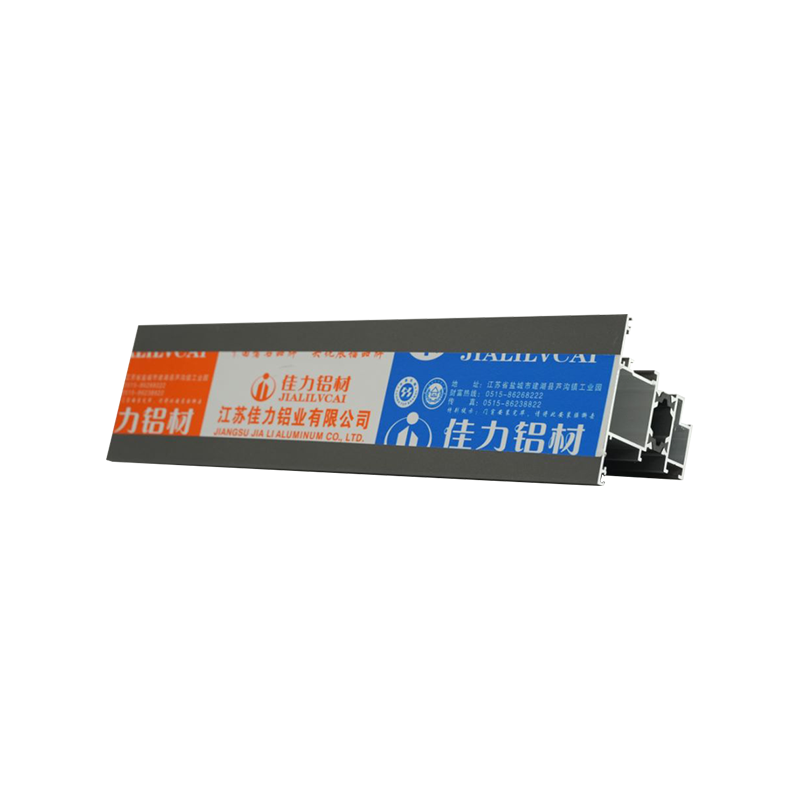
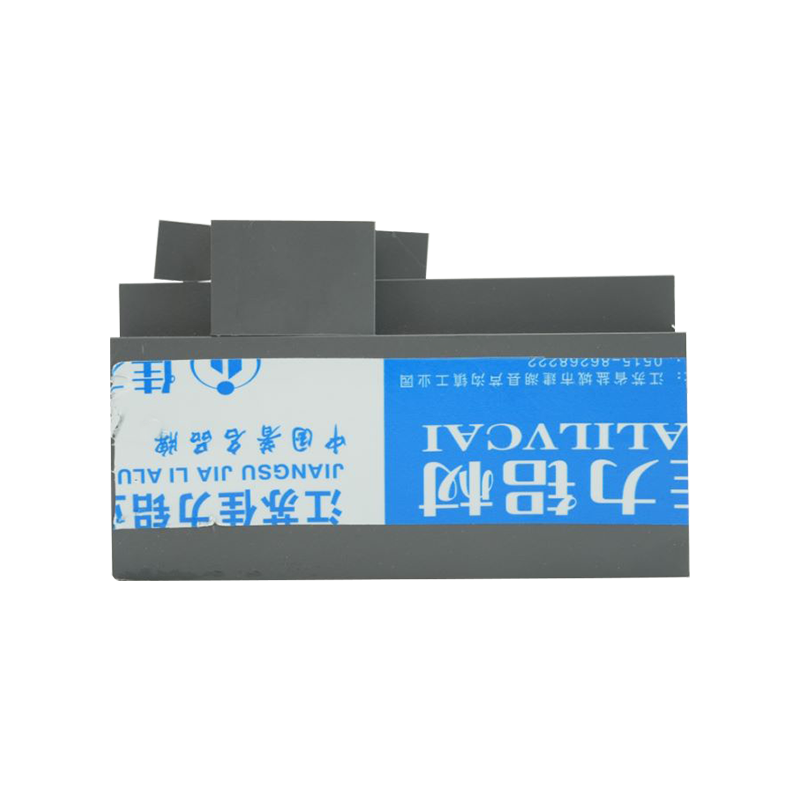
Understanding Telescopic Door Aluminum Profile Systems
A telescopic door aluminum profile system represents one of the most sophisticated space-saving solutions in modern architectural hardware. Unlike conventional sliding doors that require wall space equal to the door width, telescopic systems enable multiple door panels to slide synchronously into a compact pocket, reducing the required wall space by up to 50% while maximizing the clear opening width. These systems are particularly valuable in commercial environments, healthcare facilities, hospitality venues, and residential applications where space optimization is paramount.
The fundamental innovation of telescopic systems lies in their ability to coordinate the movement of two or more parallel door panels. When the leading panel is moved—whether manually or through automated operation—the trailing panels follow in perfect synchronization, sliding smoothly along dedicated tracks and stacking neatly behind one another. This synchronized movement is achieved through precision-engineered mechanical or electromechanical coupling mechanisms that ensure all panels travel at identical speeds, maintaining consistent spacing and alignment throughout the entire operation cycle.
Modern telescopic door systems predominantly utilize high-grade aluminum alloys for their structural profiles, specifically 6063-T5 or 6063-T6 alloys for architectural applications and 6061-T6 for heavy-duty industrial installations. The choice of material directly impacts system performance, with 6063 offering superior extrudability and surface finish quality ideal for visible architectural elements, while 6061 provides approximately 30% higher yield strength for demanding structural applications. These aluminum profiles typically feature wall thicknesses ranging from 2.0mm to 3.0mm, ensuring sufficient rigidity to support door panels weighing up to 130kg per leaf while maintaining minimal deflection under load.
Core Components of the Aluminum Profile System
Primary Track and Rail Structure
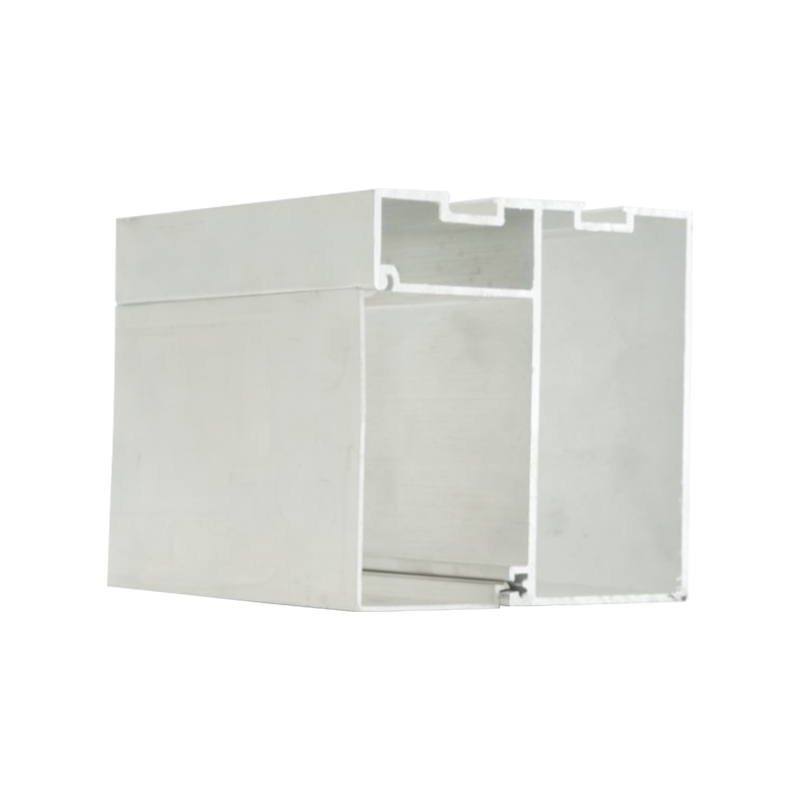
The track system serves as the foundational element of any telescopic door installation, typically manufactured from extruded aluminum profiles with integrated steel reinforcement channels. Standard track widths range from 20mm for minimal sight-line applications to 50mm for heavy-duty commercial systems. The track profile incorporates precision-machined raceways that accommodate nylon or steel-reinforced pulley wheels, with running surfaces hardened to withstand continuous cyclic loading. High-quality systems feature acoustically decoupled running tracks that isolate operational noise, achieving sound levels below 35 decibels during normal operation.
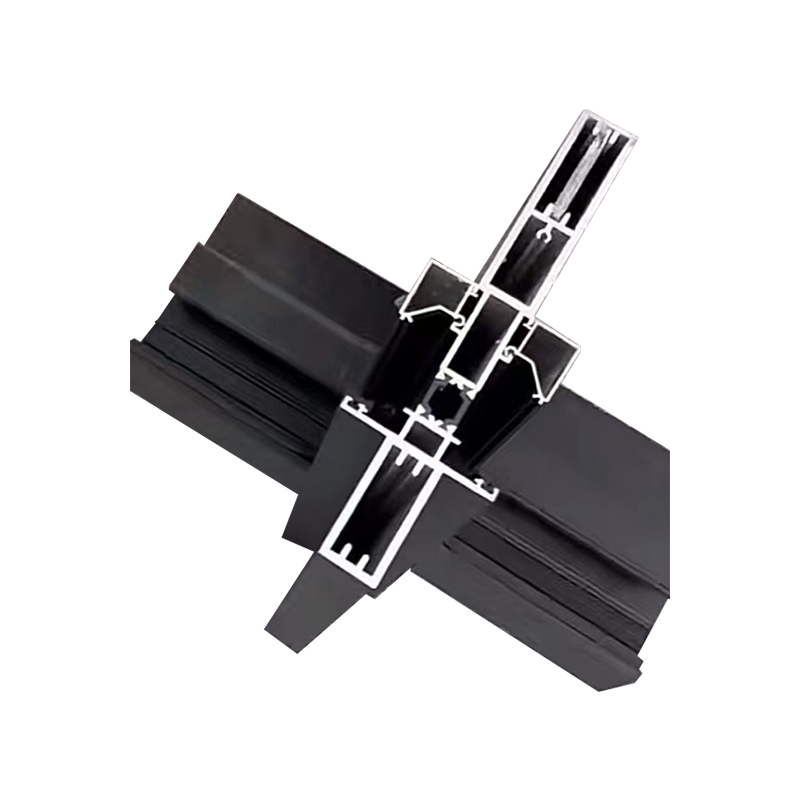
Multi-track configurations represent the distinguishing characteristic of telescopic systems. A dual-panel telescopic configuration requires a minimum track width of 140mm to accommodate two parallel sliding channels, while triple-panel systems demand 196mm or greater track width. These tracks are engineered with precise parallel alignment tolerances within 0.5mm per meter to ensure smooth panel interaction. The track profile typically includes integrated cable management channels for motorized systems and mounting flanges that facilitate secure attachment to structural headers or ceiling substrates.
Pulley and Carriage Assemblies
The carriage mechanism connects each door panel to the track system while enabling smooth translational movement. Modern telescopic systems employ dual-wheel or quad-wheel carriage configurations, with wheel diameters typically ranging from 25mm to 40mm depending on load requirements. These carriages incorporate precision ball bearings rated for 100,000+ operational cycles, with dynamic load capacities exceeding 150kg per carriage unit. The wheel materials have evolved significantly, with contemporary systems utilizing glass-fiber reinforced nylon compounds that offer exceptional wear resistance while maintaining low rolling friction coefficients below 0.02.
For telescopic applications, carriages must accommodate both linear movement and the specific geometry of overlapping panels. Specialized telescopic carriages feature extended mounting brackets that position panels at varying depths relative to the track centerline, enabling the nested stacking configuration that defines these systems. The mounting interfaces accommodate door panel thicknesses from 35mm to 50mm, with adjustable height settings that ensure proper floor clearance and alignment.
Profile Connection and Support Hardware
Aluminum profile connectors and support brackets complete the structural system, providing rigid attachment points while accommodating thermal expansion and contraction. These components are typically extruded from 6063-T6 alloy and machined to tight tolerances, featuring slotted mounting holes that allow for field adjustment during installation. The connection hardware includes anti-rotation features that prevent profile twisting under eccentric loading, maintaining door alignment throughout the operational lifespan.
Synchronization Mechanisms: Technical Principles
Belt-Drive Synchronization Systems
The most prevalent synchronization method in modern telescopic door systems employs reinforced tooth belt drives that mechanically couple adjacent door panels. These systems utilize steel-cord reinforced polyurethane belts with tooth profiles matching precision-machined aluminum pulleys. The belt drive configuration ensures positive engagement without slippage, maintaining synchronization accuracy within 2mm throughout the entire travel range. When the leading panel moves, the belt transmits motion to the trailing panel through a pulley block assembly fixed to each door leaf, creating a direct mechanical relationship that guarantees simultaneous movement.
Belt-drive systems offer several distinct advantages for commercial applications. The reinforced construction provides exceptional durability, with service life exceeding 10 years under normal operating conditions. The elastic properties of the belt material absorb minor shocks and vibrations, contributing to the quiet operation characteristic of premium telescopic systems. Additionally, belt drives require minimal maintenance beyond periodic tension inspection, with self-tensioning carriage designs compensating for natural belt elongation over time. The typical belt pitch for these applications ranges from 5mm to 8mm, with width specifications from 15mm to 25mm depending on load requirements.
Cable and Pulley Synchronization
Alternative synchronization configurations employ stainless steel cable systems routed through precision-machined aluminum pulley blocks. These systems utilize 2mm to 3mm diameter 316-grade marine stainless steel cables with breaking strengths exceeding 500kg, providing robust synchronization for heavy-duty applications. The cable routing typically follows a figure-eight pattern that reverses direction between panels, ensuring that the trailing panel moves in the same direction as the lead panel when the cable is tensioned.
Cable systems excel in environments with extreme temperature variations or exposure to chemical contaminants that might degrade polymer belt materials. The metallic construction maintains consistent performance across temperature ranges from -40°C to +80°C, with minimal thermal expansion effects. However, cable systems require more frequent maintenance inspection to verify tension integrity and check for wear at pulley contact points. Lubrication intervals typically occur every 6 months for cable systems, compared to annual maintenance for belt-drive configurations.
Magnetic and Electronic Synchronization
Advanced telescopic systems incorporate magnetic synchronization mechanisms that utilize rare-earth neodymium magnets embedded within the track profile and carriage assemblies. These systems achieve sequential panel release through magnetic force modulation, ensuring that intermediate beams remain stationary until primary extension is complete. This sequential operation reduces opening forces by up to 40% compared to non-synchronized systems, as each panel stage experiences reduced torque loading during extension.
Electronic synchronization represents the cutting edge of telescopic door technology, employing linear encoders and closed-loop motor control to coordinate panel movement. These systems utilize draw-wire displacement sensors or magnetic linear encoders mounted on the track profile, providing real-time position feedback with accuracy within 0.1mm. The control algorithm continuously adjusts motor speeds to maintain precise panel alignment, compensating for variations in rolling resistance or wind loading. Electronic synchronization enables advanced features such as soft-start acceleration profiles, obstacle detection with automatic reversal, and programmable opening sequences for multi-panel configurations.
Material Selection: 6063 vs 6061 Aluminum Alloys
Chemical Composition and Mechanical Properties
The selection between 6063 and 6061 aluminum alloys for telescopic door profiles involves careful consideration of mechanical requirements, surface finish expectations, and manufacturing constraints. Both alloys belong to the 6XXX series, utilizing magnesium and silicon as primary alloying elements, but differ significantly in composition and performance characteristics. 6063 aluminum contains 0.45-0.90% magnesium and 0.20-0.60% silicon, with strict limits on iron content below 0.35% to ensure superior surface finish quality. In contrast, 6061 incorporates 0.80-1.20% magnesium, 0.40-0.80% silicon, and critically includes 0.15-0.40% copper and 0.04-0.35% chromium, which significantly enhance strength but complicate extrusion processes.
The mechanical property differences between these alloys are substantial and directly impact profile design decisions. In the T6 temper condition, 6061 aluminum achieves minimum yield strength of 276 MPa (40,000 psi) and ultimate tensile strength of 310 MPa (45,000 psi). Comparatively, 6063-T6 offers yield strength of 214 MPa (31,000 psi) and ultimate tensile strength of 241 MPa (35,000 psi). This represents approximately 30% higher strength for 6061, making it the preferred choice for heavy-duty commercial applications where door panels exceed 100kg or where wind loads exceed 1.0 kN/m². However, 6063's lower strength is offset by its exceptional extrudability, enabling the production of complex hollow profiles with thin walls and intricate cross-sectional geometries that would be impractical with 6061.
Extrusion Performance and Manufacturing Considerations
Extrusion speed represents a critical differentiator between these alloys, directly affecting production economics and lead times. 6063 aluminum can be extruded at speeds 40-50% faster than 6061 due to its lower flow stress and reduced tendency to stick to die surfaces. This characteristic enables manufacturers to produce the complex multi-cavity profiles required for telescopic track systems with greater efficiency and reduced die wear. The superior extrudability of 6063 also facilitates the creation of profiles with varying wall thicknesses and internal rib structures that optimize strength-to-weight ratios for specific load conditions.
Surface finish quality constitutes another decisive factor in alloy selection. 6063 aluminum naturally produces extruded surfaces with roughness values (Ra) of 0.8-1.6 micrometers, approximately 30% smoother than equivalent 6061 extrusions. This characteristic is particularly important for telescopic door applications where track surfaces must maintain low friction coefficients and aesthetic profiles may remain visible in the finished installation. The lower copper content in 6063 also results in more uniform anodizing behavior, producing consistent coloration and enhanced corrosion resistance through the formation of dense aluminum oxide layers ranging from 10-25 micrometers in thickness.
Application-Specific Selection Guidelines
For standard commercial telescopic door systems with panel weights up to 90kg and opening widths up to 4000mm, 6063-T6 aluminum profiles provide optimal performance with excellent cost efficiency. The material's corrosion resistance and surface finish quality make it ideal for interior applications in office buildings, hotels, and retail environments where aesthetic considerations are paramount. When specifying 6063 profiles for these applications, designers typically utilize wall thicknesses of 2.5mm for primary structural elements and 1.8mm for secondary support features, achieving the necessary rigidity while minimizing material costs.
Heavy-duty applications including industrial facilities, hangar doors, or high-traffic transportation hubs require the superior strength of 6061-T6 aluminum profiles. These installations often feature door panels exceeding 130kg, extended track spans over 6000mm, or exposure to severe environmental conditions including salt spray or chemical contamination. The additional strength margin provided by 6061 enables designers to utilize thinner wall sections in certain applications or to increase support spacing, though the material's reduced extrudability may limit profile complexity. For marine or coastal installations, 6061's superior corrosion resistance in aggressive environments, combined with appropriate anodizing or powder coating treatments, ensures service life exceeding 25 years with minimal degradation.
System Configurations and Installation Variants
Single-Direction Telescopic Systems
Single-direction telescopic configurations represent the most common implementation, featuring two or more door panels that slide simultaneously into a single pocket or against a fixed jamb. In a dual-panel system, the active panel connects directly to the synchronization mechanism while the passive panel follows through the coupling connection. This configuration reduces the required wall space by approximately 50% compared to a standard sliding door of equivalent opening width. For a 3000mm opening width, a single-direction telescopic system requires only 1500mm of wall space plus minimal clearance for hardware, whereas a conventional system would demand the full 3000mm.
Triple-panel single-direction systems extend this space-saving principle further, accommodating three door panels within a track width of 196mm. These configurations achieve opening widths up to 6000mm with wall space requirements of approximately 2000mm, representing a 67% reduction in spatial footprint. The synchronization mechanism becomes progressively more complex with additional panels, typically requiring reinforced belt systems or dual-cable configurations to maintain consistent movement across all three leaves. Panel spacing in these systems is carefully engineered to prevent binding, with standard gaps of 10mm between 38mm-thick panels that can be reduced to 7mm when utilizing 41mm-thick door leaves.
Bi-Directional Telescopic Systems
Bi-directional or double telescopic systems provide the ultimate space efficiency for wide openings, utilizing two pairs of synchronized panels that slide in opposite directions from a center opening point. These systems accommodate four door panels total—two panels sliding left and two sliding right—creating clear openings up to 8000mm while requiring minimal wall space on both sides. Each pair operates as an independent synchronized unit, with the lead panel of each pair driving the trailing panel through dedicated belt or cable mechanisms.
The complexity of bi-directional systems necessitates precise engineering of the center meeting point, where panels from opposite directions must align perfectly when closed. Aluminum profile manufacturers address this requirement through specialized center jamb profiles that incorporate adjustable alignment features and compression seals. The synchronization mechanisms for bi-directional systems are typically mirrored installations, with each side operating independently while maintaining identical operational characteristics. This configuration is particularly valuable for conference facilities, ballrooms, and healthcare environments where maximum opening width must be achieved with limited surrounding wall structure.
Cavity and Surface-Mounted Installations
Cavity-mounted telescopic systems integrate the entire track and panel assembly within a wall pocket, presenting a flush architectural appearance when doors are fully open. These installations require pre-construction coordination to ensure adequate pocket width—typically 140mm for dual-panel systems or 196mm for triple-panel configurations—plus structural support for the overhead track mounting. The aluminum track profile in cavity systems often incorporates removable access panels or extractable track sections that facilitate maintenance without requiring wall demolition. This design consideration is critical for commercial applications where operational continuity demands rapid service access.
Surface-mounted telescopic systems offer retrofit capabilities and simplified installation for existing structures where wall cavities are unavailable or impractical. These configurations mount the track assembly directly to the wall surface or ceiling structure, with panels sliding along the exterior face. While surface-mounted systems sacrifice the flush aesthetic of cavity installations, they provide greater flexibility in panel thickness and weight capacity due to unrestricted track geometry. Modern surface-mounted aluminum profiles feature slim sight-line designs with cover heights as low as 108mm, minimizing visual impact while maintaining structural integrity for panels up to 200kg.
Operational Dynamics and Performance Characteristics
Force Distribution and Load Management
The operational forces in telescopic door systems follow complex distribution patterns that differ significantly from single-panel sliding configurations. In a synchronized dual-panel system, the operator must overcome the rolling resistance of both panels while managing the inertial forces associated with simultaneous acceleration. The total operational force typically ranges from 15N to 35N for manual systems with dual 90kg panels, depending on roller quality, track alignment, and synchronization mechanism efficiency. This represents a 60-80% increase over single-panel systems of equivalent total weight, necessitating high-quality bearing systems and precise installation alignment.
Synchronization mechanisms play a critical role in force distribution by ensuring that operational loads are shared proportionally between panels. In belt-drive systems, the belt tension—typically maintained at 50-80N—translates motion from the lead carriage to the trailing carriage without significant energy loss. The mechanical advantage provided by the pulley configuration ensures that the trailing panel receives precisely calibrated force to match the lead panel's acceleration, preventing the jerking or hesitation that would occur with independent panel movement. This force coupling also provides inherent safety benefits, as an obstruction affecting either panel immediately transmits resistance to the operator, triggering natural stopping behavior.
Speed and Acceleration Profiles
Automated telescopic door systems operate with carefully controlled speed profiles that prioritize safety while maintaining efficient throughput. Standard commercial systems achieve maximum operating speeds of 0.4-0.6 meters per second for the lead panel, with trailing panels matching this velocity precisely through synchronization mechanisms. The acceleration phase typically spans 0.3-0.5 seconds to reach maximum speed, with deceleration commencing 200-300mm before the end of travel to ensure soft closing without impact. Advanced systems with electronic synchronization can implement variable speed profiles, reducing velocity when sensors detect proximity to pedestrians or obstacles.
The synchronization mechanism ensures that all panels maintain identical velocity throughout the operational cycle, preventing the differential movement that would cause panel collision or separation. Velocity matching accuracy within 2% is achievable with properly tensioned belt systems, while electronic synchronization can achieve matching within 0.5% through continuous feedback adjustment. This precision is particularly critical for glass door panels, where even minor velocity differentials could create dangerous stress concentrations at panel edges or hardware attachment points.
Durability and Service Life Expectations
The durability of telescopic door aluminum profile systems is quantified through standardized testing protocols that simulate years of operational cycles. Premium systems are rated for 1,000,000+ opening cycles, equivalent to approximately 25 years of service in high-traffic commercial applications. The aluminum track profiles themselves exhibit minimal wear under normal conditions, with surface hardness of 95 HV for 6061-T6 or 73 HV for 6063-T6 providing adequate resistance to roller contact stress. The primary wear components are the pulley bearings and synchronization belts, which typically require replacement at 500,000-750,000 cycle intervals depending on load conditions and environmental exposure.
Corrosion resistance significantly impacts long-term performance, particularly in systems exposed to moisture, salt spray, or chemical cleaning agents. Anodized aluminum profiles with 20-micron oxide layer thickness demonstrate exceptional durability in coastal environments, maintaining structural integrity and surface finish for decades. Powder-coated profiles with 60-80 micron coating thickness provide additional protection for aggressive industrial environments, with color retention and adhesion properties meeting AAMA 2604 specifications for superior weathering resistance. Regular maintenance protocols—including annual lubrication of pulley bearings and bi-annual inspection of synchronization tension—extend service life and maintain operational smoothness throughout the system lifespan.
Integration with Automation and Smart Building Systems
Motorization and Drive Unit Configurations
The integration of electric drive units with telescopic door systems requires careful coordination between motor output characteristics and synchronization mechanism requirements. Linear motor configurations utilizing toothed belt drives represent the most common approach, with motor units rated from 100W for light-duty residential systems to 400W for heavy commercial applications. These drive units incorporate planetary gear reducers with ratios typically ranging from 10:1 to 20:1, generating sufficient torque to overcome system inertia while maintaining precise speed control. The motor carriage connects directly to the lead door panel, with the synchronization belt transmitting proportional force to trailing panels.
Brushless DC motor technology has become standard for automated telescopic systems, offering superior efficiency and longevity compared to brushed alternatives. These motors achieve efficiencies of 85-90%, reducing power consumption for continuous operation in high-traffic environments. Integrated encoder systems provide 1000-2000 pulses per revolution feedback resolution, enabling closed-loop speed control that maintains synchronization accuracy within 1mm throughout the operational cycle. Advanced drive units also incorporate regenerative braking capabilities that recover energy during deceleration phases, contributing to overall system efficiency.
Sensor Integration and Safety Systems
Modern automated telescopic door systems incorporate multi-layered sensor arrays that ensure safe operation while optimizing traffic flow. Microwave motion detectors provide primary activation sensing with detection ranges adjustable from 1.0 to 4.0 meters, triggering door opening as pedestrians approach. Active infrared safety beams create protective curtains across the opening plane, with interruption of any beam causing immediate door reversal. These systems typically utilize 30-40 infrared diodes arranged in vertical arrays, achieving detection heights of 2000mm or greater to accommodate pedestrians of all statures.
Pressure-sensitive safety edges mounted on the leading panel profiles provide tactile obstruction detection, complementing the infrared systems. These edges incorporate conductive polymer strips that change resistance when compressed, triggering reversal within 50 milliseconds of contact. The synchronization mechanism ensures that all panels reverse simultaneously when any safety input is activated, preventing differential movement that could create pinch points between panels. Integration with building management systems enables centralized monitoring of operational status, cycle counts, and safety system integrity, facilitating predictive maintenance scheduling.
Smart Control and Connectivity Features
Contemporary telescopic door controllers offer extensive connectivity options that facilitate integration with smart building ecosystems. BACnet and Modbus communication protocols enable direct interface with building automation systems, allowing coordinated operation with HVAC, lighting, and security subsystems. Time-scheduled operation modes can automatically adjust door parameters based on building occupancy patterns, reducing opening speeds during low-traffic periods to minimize energy consumption and noise generation. Access control integration supports credential-based activation through RFID, biometric, or mobile credential readers, with audit trail logging of all access events.
Remote monitoring capabilities leverage IoT connectivity to provide real-time status information and diagnostic alerts to facility management personnel. Vibration sensors mounted on the aluminum track profiles can detect bearing degradation or synchronization belt wear before operational failure occurs, enabling proactive maintenance intervention. Energy consumption monitoring tracks motor power draw patterns, identifying increases in rolling resistance that indicate maintenance requirements. These smart features transform telescopic door systems from passive architectural elements into active components of intelligent building infrastructure.
Installation Best Practices and Quality Assurance
Structural Preparation and Alignment Protocols
Successful installation of telescopic door aluminum profile systems begins with rigorous structural preparation that ensures adequate support for dynamic loads. The overhead track mounting structure must withstand both the static weight of door panels and the dynamic forces generated during operation, including wind loads and impact resistance requirements. For a dual-panel system with 130kg panels, the mounting structure should be engineered for a minimum safety factor of 3.0, accommodating point loads of 400kg at each track support bracket. Structural steel headers or reinforced concrete embedments provide optimal support, with deflection under load limited to 1/1000 of the span length.
Alignment precision directly impacts operational smoothness and system longevity. Track installation requires level accuracy within 1mm per meter of track length, with parallel alignment between multiple tracks maintained within 0.5mm over the entire opening width. Laser alignment tools have become standard for commercial installations, projecting reference lines that ensure consistent track geometry. The aluminum track profiles must be installed with proper expansion gaps—typically 3-5mm per 3000mm of track length—to accommodate thermal expansion without inducing binding or buckling. Shimming materials should be non-compressible aluminum or stainless steel plates rather than plastic or wood that may settle over time.
Synchronization Mechanism Calibration
Proper calibration of synchronization components is critical for achieving the simultaneous panel movement that defines telescopic operation. Belt-drive systems require tension calibration using force gauges to achieve manufacturer-specified tension values, typically 60-80N for standard applications. Under-tensioned belts allow slippage that causes panel misalignment, while over-tensioned belts increase rolling resistance and accelerate bearing wear. Cable systems require similar tension balancing, with turnbuckle adjusters enabling precise tension matching between opposing cable runs. The calibration process should verify that both panels achieve full travel simultaneously, with any deviation corrected through tension adjustment or pulley positioning.
Testing protocols for synchronized operation include measurement of panel spacing consistency throughout the entire travel range. Acceptable systems maintain panel gap variation within 3mm from fully closed to fully open positions. Speed matching verification utilizes stopwatch timing or electronic sensors to confirm that all panels complete travel within 0.1 seconds of each other. For automated systems, current draw monitoring during operation identifies asymmetrical loading that may indicate alignment issues or mechanical binding. Comprehensive commissioning documentation should record baseline measurements for all critical parameters, enabling future maintenance comparisons that detect performance degradation.
Maintenance Scheduling and Component Replacement
Preventive maintenance programs for telescopic door systems should follow manufacturer recommendations while adapting to specific environmental conditions and usage intensity. Standard maintenance intervals include monthly visual inspections of track cleanliness and panel alignment, quarterly lubrication of pulley bearings with lithium-based greases rated for -30°C to +120°C operation, and annual comprehensive inspections of all synchronization components. High-traffic installations exceeding 10,000 cycles per month require accelerated maintenance schedules with bearing inspection every six months and belt tension verification quarterly.
Component replacement criteria are established based on measurable wear indicators rather than arbitrary time intervals. Pulley bearings exhibiting axial play exceeding 0.5mm or producing audible noise during operation require immediate replacement. Synchronization belts showing fraying, tooth wear exceeding 20% of profile height, or tension loss greater than 15% from baseline require replacement to maintain synchronization accuracy. Aluminum track profiles generally require replacement only if physical damage occurs or if wear grooves exceed 1mm depth in running surfaces. Record-keeping of all maintenance activities and component replacements enables trend analysis that optimizes maintenance intervals for specific installation conditions.
Market Applications and Specification Considerations
Commercial and Hospitality Environments
Telescopic door systems have achieved widespread adoption in commercial office buildings, where space efficiency directly impacts leasable floor area. Conference room applications particularly benefit from bi-directional telescopic configurations that maximize opening widths for collaborative events while maintaining acoustic separation during normal operations. The aluminum profile systems specified for these applications typically feature anodized silver or bronze finishes that complement contemporary interior design schemes, with ultra-slim 20mm sight-line profiles that maximize glass visibility. Sound transmission ratings of 32-35 dB are achievable with properly sealed telescopic configurations, meeting privacy requirements for executive environments.
Hospitality venues including hotels, convention centers, and banquet facilities utilize telescopic systems to create reconfigurable spaces that adapt to varying event requirements. These installations demand heavy-duty aluminum profiles rated for continuous operation, with 6061-T6 alloy specifications for track components supporting panels up to 150kg. Automated operation with programmable logic controllers enables preset configurations for different event modes, with integration to room management systems that coordinate door operation with lighting and climate control. The synchronization mechanisms in these applications must demonstrate exceptional reliability, as operational failure during events would severely disrupt venue functionality.
Healthcare and Institutional Facilities
Healthcare environments present unique requirements for telescopic door systems, including infection control compliance, emergency egress capability, and accessibility for mobility-impaired patients. Aluminum profile systems specified for healthcare applications utilize antimicrobial anodizing treatments or powder coatings with embedded silver-ion technology that inhibit bacterial colonization on contact surfaces. The smooth profile surfaces and minimal horizontal ledges facilitate cleaning protocols required in clinical environments. Synchronization mechanisms must operate with minimal force requirements—below 25N for manual systems—to comply with accessibility standards while maintaining positive panel alignment that prevents air leakage between clinical zones.
Emergency egress requirements mandate that automated telescopic systems provide immediate manual breakout capability in the event of power failure or emergency activation. This is achieved through electromagnetic clutch mechanisms that disengage motor drives when fire alarm systems activate, allowing manual panel movement with forces below 50N. The synchronization mechanisms must accommodate rapid manual operation without damage, requiring overrunning clutch features that decouple panels from drive systems during emergency egress. Track profiles incorporate emergency release hardware accessible to first responders, with breakaway stops that enable full opening width for emergency access.
Industrial and Transportation Applications
Industrial facilities utilize heavy-duty telescopic door systems for applications including cleanroom environments, manufacturing cell separation, and warehouse space division. These installations demand aluminum profiles with enhanced structural properties, often utilizing 6061-T6 alloy with wall thicknesses of 3.0mm or greater to withstand industrial traffic and potential impact from material handling equipment. Synchronization mechanisms in industrial applications frequently employ steel-reinforced timing belts or roller chain drives that tolerate exposure to lubricants, coolants, and abrasive particulates that would degrade standard components.
Transportation hubs including airports and rail stations implement telescopic systems for gate separation and security zone delineation. These applications require exceptional durability with cycle ratings exceeding 2,000,000 operations, achieved through premium bearing systems and heavy-duty aluminum profiles with hardened track surfaces. The synchronization mechanisms must maintain precision despite temperature variations from -20°C to +50°C encountered in unconditioned spaces, utilizing temperature-stable belt materials and lubricants rated for extreme environments. Integration with security systems enables credential-controlled access while maintaining rapid throughput during peak traffic periods.
Frequently Asked Questions
Q1: What is the maximum opening width achievable with telescopic door aluminum profile systems?
Standard dual-panel telescopic systems can accommodate opening widths up to 4000mm, while triple-panel configurations extend this capability to 6000mm. Bi-directional systems utilizing four panels can achieve clear openings up to 8000mm. The practical limitation depends on panel weight capacity and structural support availability rather than inherent system constraints.
Q2: How much wall space is required for telescopic door installation compared to standard sliding doors?
Telescopic systems reduce required wall space by approximately 50% for dual-panel configurations and up to 67% for triple-panel systems. A 3000mm opening requires only 1500mm of wall space with a dual-panel telescopic system, compared to the full 3000mm required for a conventional single-panel sliding door.
Q3: What is the typical service life of aluminum track profiles in telescopic systems?
Aluminum track profiles manufactured from 6063-T6 or 6061-T6 alloys and properly maintained can achieve service life exceeding 25 years or 1,000,000 operational cycles. The track itself rarely requires replacement unless physically damaged, while pulley bearings and synchronization belts typically require replacement every 500,000 to 750,000 cycles.
Q4: Can telescopic door systems accommodate glass panels?
Yes, telescopic systems are specifically engineered to support glass door panels, with aluminum profiles available in configurations accommodating 10mm single glazing or 24mm insulated glass units. The synchronization mechanisms ensure precise panel alignment critical for glass applications, preventing edge contact that could cause damage.
Q5: What maintenance is required for the synchronization mechanism?
Belt-drive synchronization systems require annual tension inspection and adjustment, with belt replacement every 5-7 years under normal conditions. Cable systems need bi-annual tension verification and lubrication of pulley bearings every 6 months. Visual inspection of all components should occur monthly to detect wear or damage before operational failure.
Q6: Are telescopic door systems suitable for exterior applications?
Telescopic systems can be specified for exterior applications when utilizing aluminum profiles with appropriate surface treatments. Anodized finishes with 20-micron oxide thickness or fluorocarbon coatings provide excellent weathering resistance for coastal or industrial environments. Thermal break profiles should be specified for climate separation to prevent condensation and improve energy efficiency.
Q7: What is the difference between 6063 and 6061 aluminum alloys for door profiles?
6063 aluminum offers superior extrudability and surface finish quality, making it ideal for architectural applications where appearance is critical. 6061 provides approximately 30% higher strength, making it preferable for heavy-duty or structural applications. 6063 is typically used for standard commercial installations, while 6061 is specified for industrial or high-load environments.
Q8: Can existing sliding doors be converted to telescopic operation?
Conversion of existing single-panel sliding doors to telescopic operation is generally not feasible due to the specialized track requirements and synchronization hardware. Telescopic systems require specific track widths—140mm minimum for dual-panel systems—that exceed standard single-track installations. Complete system replacement is typically required to achieve telescopic functionality.
Q9: What safety features are standard in automated telescopic door systems?
Standard safety features include infrared presence sensors that detect obstructions in the opening plane, pressure-sensitive safety edges on leading panels that trigger reversal upon contact, and emergency breakout capability that allows manual operation during power failure. The synchronization mechanism ensures all panels reverse simultaneously when safety inputs are activated.
Q10: How do I determine whether manual or automated operation is appropriate for my application?
Manual operation is suitable for low-traffic applications with fewer than 100 daily cycles, offering cost efficiency and simplicity. Automated systems are recommended for high-traffic environments exceeding 300 daily cycles, accessibility compliance requirements, or integration with building automation systems. The operational force for quality manual systems remains below 35N for dual-panel configurations, ensuring comfortable operation for all users.