ENG
ENG
 English
 русский
 中文简体
中文简体 Español
 Indonesia
Every kitchen renovation runs into the same quiet problem: the cabinet frame. It is the part you rarely notice, yet it decides whether doors close flush five years after installation. In a typical residential kitchen, steam from cooking, condensation from dishwashers, and daily damp-wiping create a moisture cycle that gradually attacks wood and MDF frames. The result is warped doors, swollen edges, and screws that no longer bite.
Conclusion first: an extruded aluminum frame is the most predictable structural choice for kitchen cabinets that face humidity, heat, and heavy daily use.
What Is a Kitchen Cabinet Frame?
A kitchen cabinet frame is the structural skeleton inside or around the cabinet. In framed cabinetry, vertical stiles and horizontal rails form a rectangle, and the door is mounted on that frame. In frameless cabinetry, the carcass panels themselves provide the frame, but the concept remains the same: the frame defines the load-bearing path from the countertop through the cabinet to the wall.
Traditional frames use solid wood, plywood, MDF, or particleboard. Each material has a known weakness in a kitchen. Solid wood moves with humidity, plywood can delaminate at cut edges, MDF swells when water reaches its exposed edges, and particleboard loses screw-holding strength after repeated moisture exposure. Aluminum extrusion profiles eliminate these failure modes because the material is dimensionally stable, non-hygroscopic, and structurally predictable.
Why Aluminum Is a Practical Choice for Kitchen Cabinet Frames
The number-one reason to consider aluminum for a kitchen cabinet frame is moisture resistance. Kitchens generate steam and condensation continuously. Aluminum does not absorb water, so it will not expand, contract, or rot. This single property prevents the most common cabinet failure: door misalignment caused by frame swelling.
Beyond moisture, aluminum offers a practical combination of properties for cabinetry:
- Strength-to-weight ratio: aluminum frames support comparable loads at a fraction of the weight of solid wood.
- Corrosion resistance: anodized or powder-coated surfaces resist oxidation and kitchen chemicals.
- Hygiene: non-porous surfaces wipe clean, which matters in food preparation areas.
- Biological inertness: aluminum will not feed termites, mold, or mildew.
- Recyclability: aluminum retains its material properties through multiple recovery cycles.
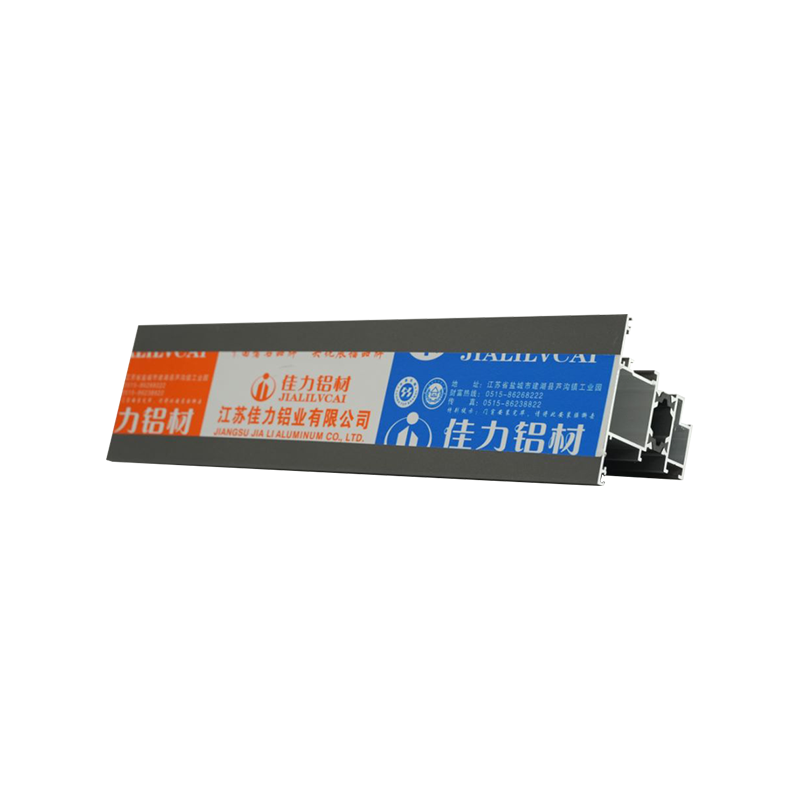
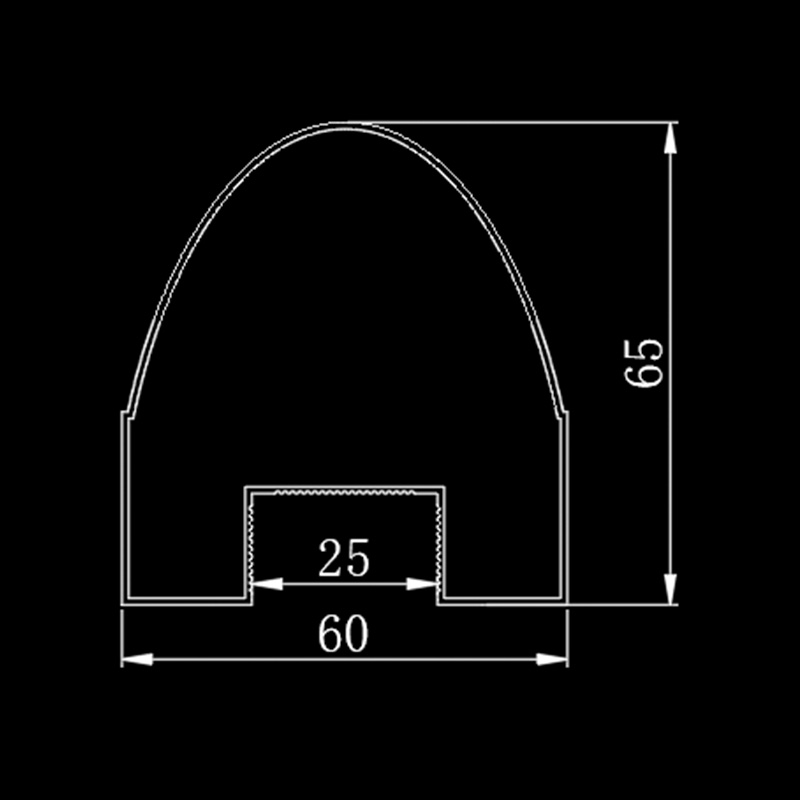
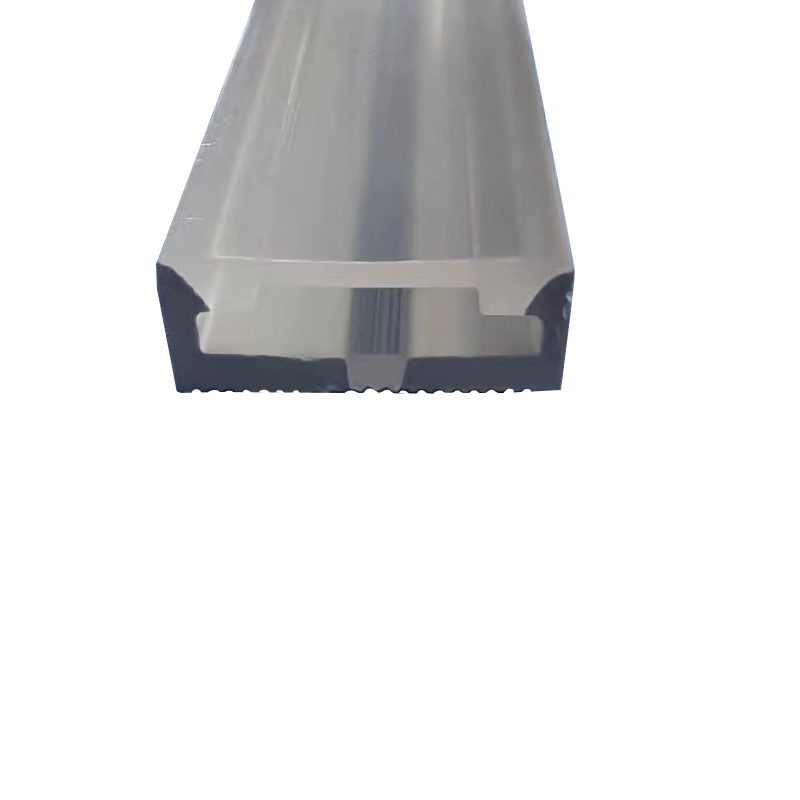 Sleeve-Type Aluminum Profile for Durable Cabinet FramesThis extruded aluminum profile offers precise dimensions, corrosion resistance, and high strength, making it ideal for kitchen cabinet frames that need to withstand daily use and maintain alignment for years.View Product →
For a kitchen cabinet frame in a busy household, the practical effect is simple: hinges stay aligned, doors keep their intended gaps, and the frame does not need to be rebuilt within ten years.
Aluminum Profile Types and Specifications for Cabinet Frames
A kitchen cabinet frame does not require a complex aerodynamic extrusion. It requires a square, rectangular, or corner profile with consistent wall thickness and tight straightness tolerances. Most cabinet frames are built from three profile families.
Square and Rectangular Tubes
Square tubes and rectangular tubes form the main structural members. A 40x40 mm square tube is common for base cabinet legs and uprights, while a 40x80 mm rectangular tube works for shelf support and the deeper vertical members of tall pantry units.
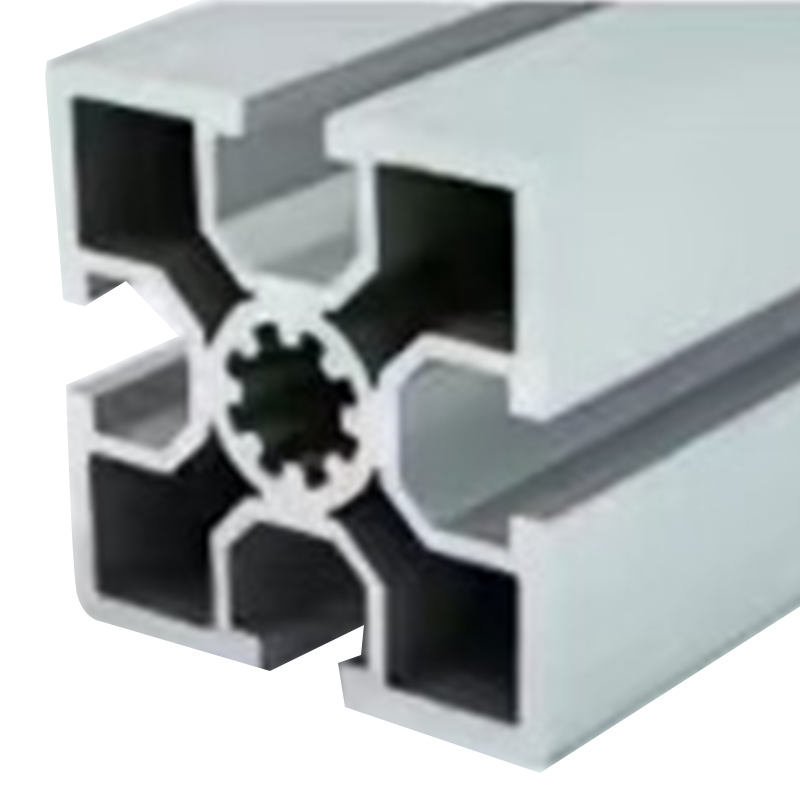 40x40 mm Square Aluminum Profile for Cabinet Legs and UprightsThis 40x40 mm square aluminum profile provides uniform cross-section, high load-bearing capacity, and corrosion resistance, suitable for base cabinet legs and uprights in sturdy kitchen frames.View Product →
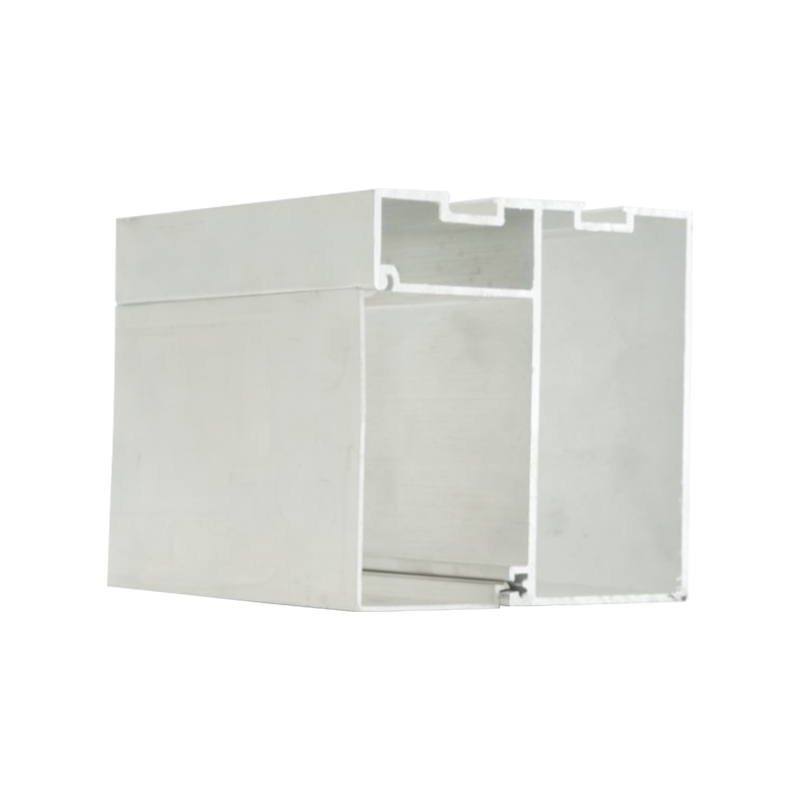
 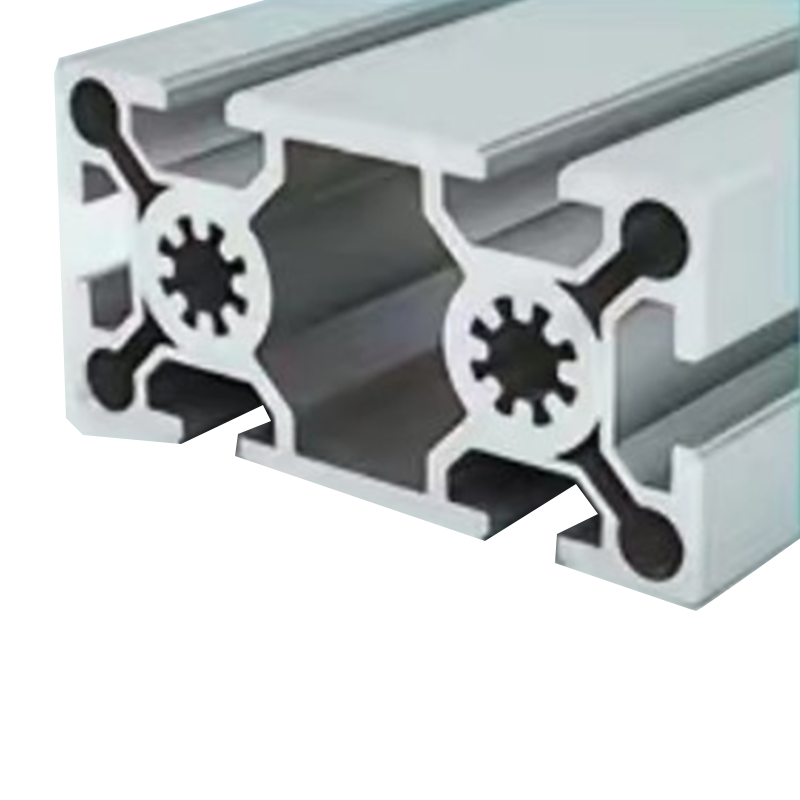 40x80 mm Rectangular Aluminum Profile for Shelf Support and Tall Pantry UnitsThis 40x80 mm rectangular aluminum profile offers a wider support area and enhanced load-bearing capacity, ideal for shelf supports and deep vertical members in tall pantry cabinets.View Product →
T-Slot Profiles
T-slot profiles, also called assembly-line profiles, have grooves along the sides that accept T-nuts and modular connectors. They allow tool-free assembly, which makes them popular for aluminum home furnishings and project-specific cabinet frames. The tool-free furniture assembly approach using T-slot profiles can reduce labor costs on multi-unit projects.
Corner and Reinforcement Profiles
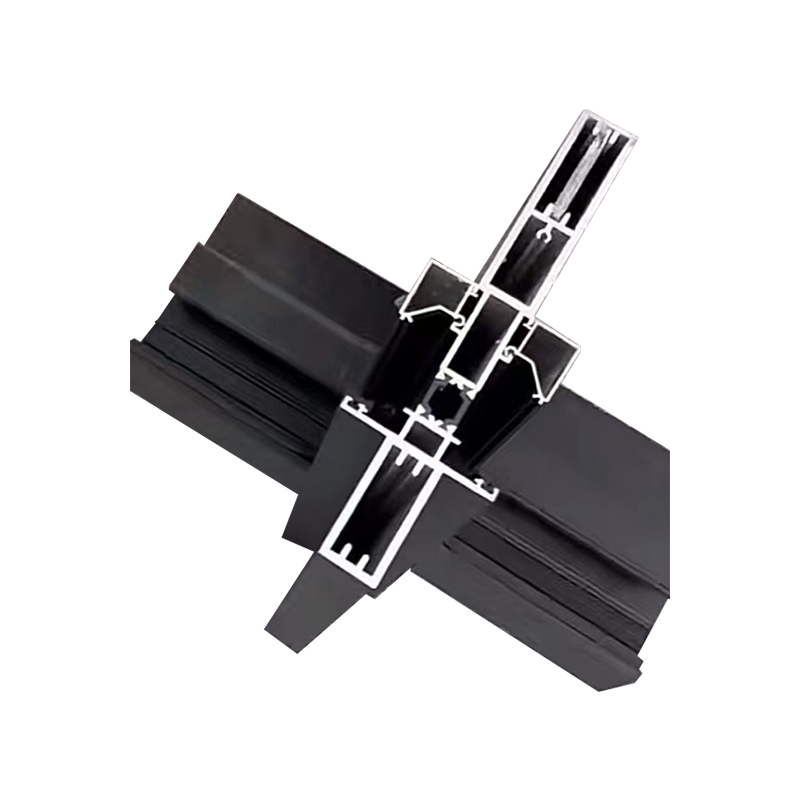
Corner profiles connect frame members at 90-degree joints and add stiffness at load-bearing boundaries. They are particularly useful for strengthening a cabinet frame before panels and doors are attached.
Critical Specification: Wall Thickness
Wall thickness is the most important numeric spec in an aluminum cabinet frame. For typical kitchen cabinets, a wall thickness of 1.5 mm to 2.5 mm balances weight, rigidity, and cost. Thinner walls economize materials but risk denting and flex. Thicker walls add weight without proportional benefit for standard cabinet loads.
Common finishing options for kitchen cabinet frames include anodized powder coated wood-grain transfer. Anodized surfaces are part of the aluminum and give excellent scratch resistance. Powder coating offers a broad color palette. Wood-grain transfer delivers a warm look without the moisture risks of real wood.
Aluminum versus Wood Cabinet Frames: A Practical Comparison
When specifying a cabinet frame, the practical differences matter more than marketing language. Here is how aluminum and wood behave in the conditions a kitchen cabinet actually lives through.
| Factor | Aluminum Profile Frame | Wood Frame |
|---|---|---|
| Moisture behavior | No swelling, shrinking, or warping | Swelling, warping, delamination |
| Weight | Light and consistent | Heavier and variable |
| Screw holding | High with inserts | Medium, declining over time |
| Fire behavior | Non-combustible | Combustible |
| Maintenance | Surface wipe only | Periodic seal or repaint |
| Thermal conductivity | High | Low |
Note on thermal conductivity: aluminum is a thermal conductor, while wood is an insulator. For cabinets against exterior walls, standard construction practice is to maintain an air barrier behind the cabinets. This matters more than the frame material conductivity, but it is worth remembering if you design a cabinet into a cold-wall scenario.
Purchasing Considerations and Potential Risks
When you source aluminum profiles for kitchen cabinet frames, the decisions you make at the quotation stage determine whether your frames assemble cleanly and perform for years. Three specification areas carry the most weight.
Alloy Grade
6063-T5 is the workhorse alloy for architectural and furniture profiles. It extrudes cleanly into thin walls, takes anodizing and powder coating well, and offers enough strength for cabinet-frame loads. 6061-T6 has higher strength but is harder to extrude in thin sections. For a kitchen cabinet frame, 6063-T5 is usually the correct choice.
Surface Treatment Quality
Anodized surfaces are part of the aluminum and give excellent scratch and oxidation resistance. Powder coating provides a wide range of colors, but the coating is only as good as the pretreatment. Specify coating thickness in microns and ask whether the supplier uses a chromate-free conversion coating before powder.
Sourcing Defects to Avoid
Low-cost profiles often arrive with burrs, drag lines, or dimensional drift. These defects cause loose corner joints, uneven door gaps, and screws that strip. Your purchase order should state tolerance limits for bow, twist, and surface scratches. Ask the supplier about their extrusion line capacity and fixture calibration.
There is one more consideration: processing. Extruded aluminum requires proper cutting, deburring, and sometimes welding. If you are doing the machining in-house, make sure your team follows recommended feed rates and blade selection to avoid work-hardened edges. If you are outsourcing, read through the processing issues for industrial aluminum products before you place a large order.
How to Install Aluminum Kitchen Cabinet Frames
Installing an aluminum cabinet frame is straightforward when the profiles are cut accurately. Use a non-ferrous saw blade with a low tooth count and a controlled feed rate. This minimizes burrs and prevents the aluminum from work-hardening at the cut edge.
For mechanical assembly:
- Clamp the frame members in a jig to establish squareness.
- Insert corner brackets or T-nuts into the profile grooves.
- Tighten screws gradually, alternating across the frame to avoid distortion.
- Verify diagonals before fastening panels or hanging doors.
For welded frames, an experienced TIG or laser welder is essential. Heat input must be controlled to prevent warping. A jig that clamps all four corners is recommended.
Frequently Asked Questions about Aluminum Kitchen Cabinet Frames
Q1: How thick should aluminum profiles be for kitchen cabinet frames?
For standard base and upper cabinets, 1.5 mm to 2.5 mm wall thickness is a practical range. For tall pantry units with heavy shelf loads, choose 2.0 mm or thicker.
Q2: Can aluminum cabinet frames match wood-look aesthetics?
Yes. Powder-coated aluminum can simulate wood grain, and many designers use aluminum frames with wood veneer or laminate panels for a hybrid look that resists moisture while keeping a warm appearance.
Q3: Are aluminum cabinet frames more expensive than wood?
Upfront cost is often similar to solid wood and higher than particleboard. However, the lifecycle cost is lower because aluminum requires no periodic sealing and has a much longer service life in humid kitchens.
Q4: How long do aluminum cabinet frames last?
With proper surface treatment and normal kitchen use, an aluminum cabinet frame can last twenty years or more without structural failure, and the metal itself can be recycled afterward.