ENG
ENG
 English
 русский
 中文简体
中文简体 Español
 Indonesia
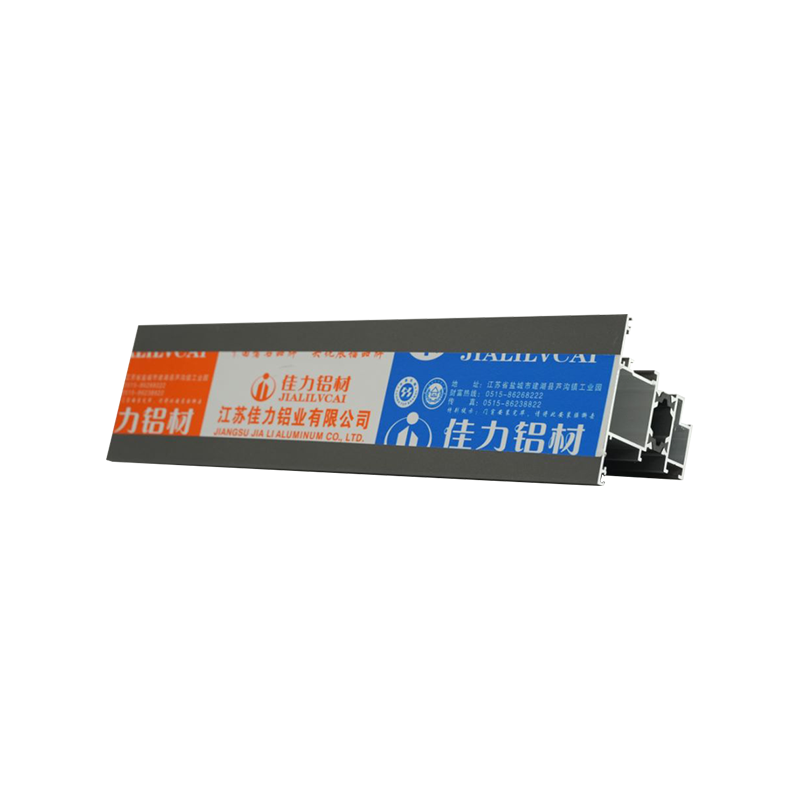
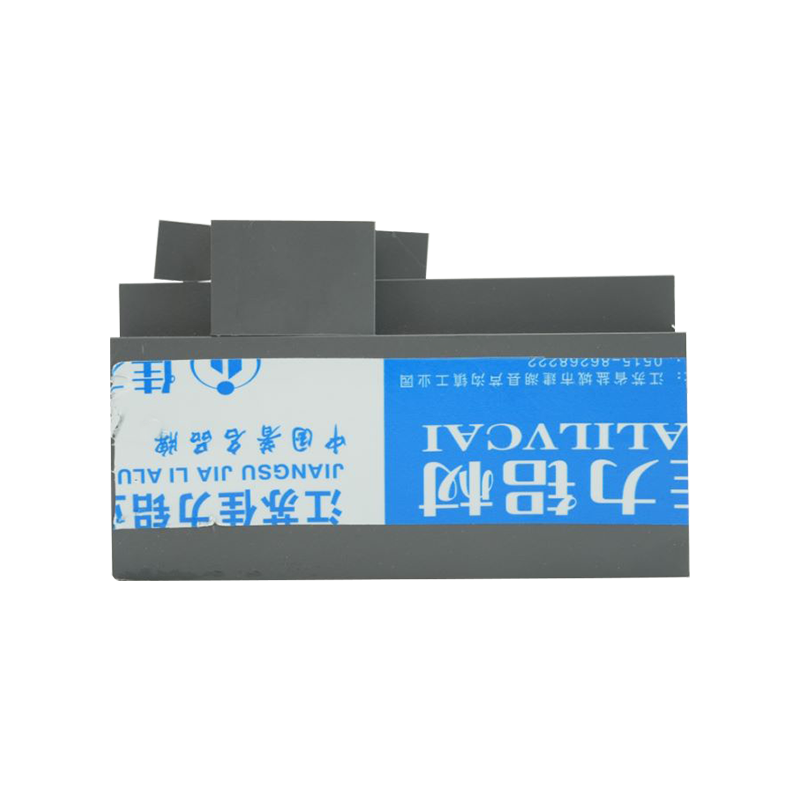
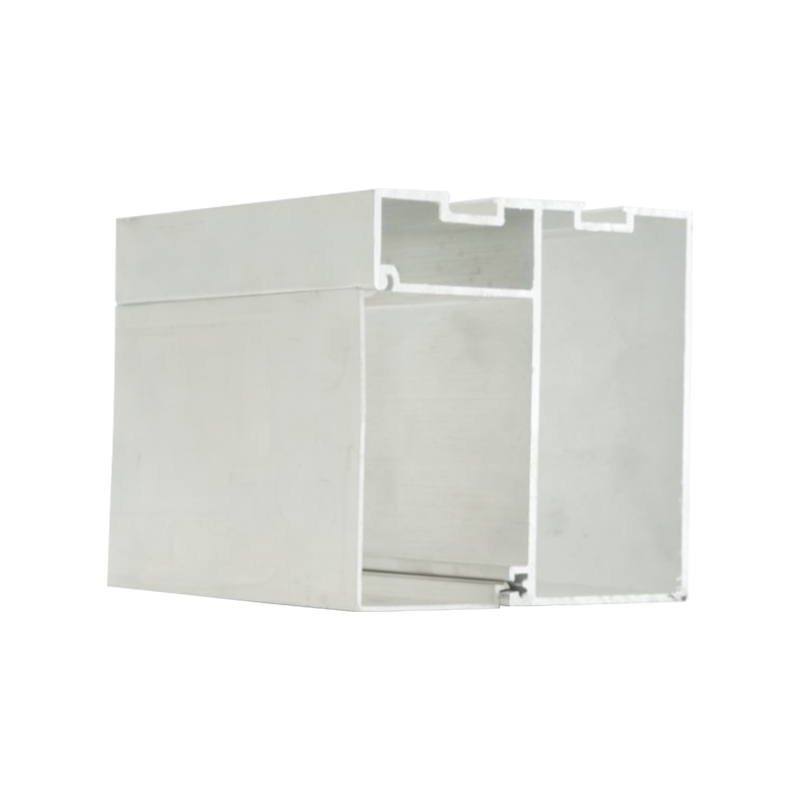
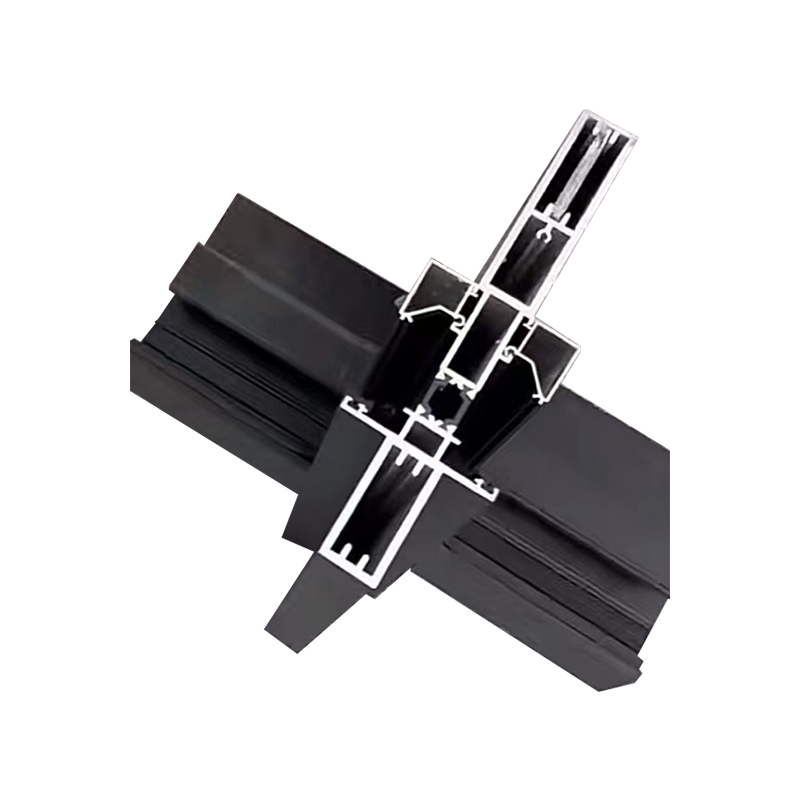
Aluminum curtain wall profiles are widely used in modern architecture due to their combination of strength, lightweight structure, and aesthetic flexibility. However, corrosion resistance remains a critical factor in ensuring the longevity and durability of these profiles, especially in environments exposed to moisture, industrial pollutants, or coastal conditions. One of the most effective ways to enhance the corrosion resistance of aluminum curtain wall profiles is through the application of different coating methods.
Understanding the Importance of Coating for Aluminum Curtain Wall Profiles
Aluminum, while naturally forming a thin oxide layer that protects it from mild corrosion, can still suffer degradation over time when exposed to aggressive environments. Coating methods play a pivotal role in protecting aluminum curtain wall profiles by providing an additional barrier against moisture, chemical agents, and physical wear.
Common Coating Methods for Aluminum Curtain Wall Profiles
Several coating methods are widely used to improve the durability of aluminum curtain wall profiles. Each method varies in complexity, cost, and effectiveness.
Anodizing
Anodizing is an electrochemical process that increases the thickness of the natural oxide layer on aluminum. This method enhances both the corrosion resistance and surface hardness of aluminum curtain wall profiles. Anodized profiles are particularly suitable for applications requiring long-term exposure to weathering or pollutants.
The benefits of anodizing include:
- Improved resistance to oxidation and corrosion.
- A uniform, aesthetically pleasing finish.
- Increased adhesion for subsequent paint or powder coatings.
However, anodizing has limitations, such as reduced effectiveness if the aluminum alloy contains impurities or if the profile is installed in extremely aggressive chemical environments.
Powder Coating
Powder coating is a popular method for applying a durable, colored finish to aluminum curtain wall profiles. This technique involves electrostatically applying a dry powder to the surface, which is then cured under heat to form a continuous protective layer.
Advantages of powder coating include:
- Excellent corrosion resistance, particularly against water and humidity.
- Wide range of colors and textures for architectural design flexibility.
- Reduced risk of chipping or peeling compared to liquid paints.
Powder-coated aluminum curtain wall profiles are often preferred for high-traffic areas or buildings in urban environments with exposure to acid rain or pollution.
Liquid Paint Coating
Liquid paint coating is a conventional method for protecting aluminum curtain wall profiles. It involves applying a liquid paint that dries into a protective layer. While this method is less technologically intensive than powder coating or anodizing, it offers flexibility in terms of color matching and decorative finishes.
Key considerations for liquid paint coating include:
- Proper surface preparation is crucial to ensure adhesion.
- Multiple layers may be required for optimal corrosion protection.
- Repainting may be necessary over time to maintain performance.
Fluorocarbon Coating
Fluorocarbon coating, often using PVDF (polyvinylidene fluoride) resins, is a high-performance protective finish for aluminum curtain wall profiles. This coating is known for excellent weathering resistance, chemical stability, and long-term durability.
Fluorocarbon coatings are particularly effective in environments with strong UV exposure, coastal air, or industrial pollutants. They provide a long-lasting, corrosion-resistant barrier while maintaining color retention for decades, making them suitable for premium architectural projects.
Electroplating and Chromate Conversion
Electroplating involves depositing a thin layer of metal, such as nickel or zinc, onto aluminum curtain wall profiles to enhance corrosion resistance. Similarly, chromate conversion treatment provides temporary protection by forming a corrosion-inhibiting layer. While less common than anodizing or powder coating, these methods are sometimes used in combination with other coatings to achieve enhanced corrosion resistance.
Factors Affecting Corrosion Resistance of Coated Aluminum Curtain Wall Profiles
The effectiveness of coating methods in preventing corrosion is influenced by several factors:
- Surface preparation: Proper cleaning, degreasing, and etching are essential to ensure the coating adheres uniformly.
- Environmental exposure: Profiles in coastal, industrial, or high-humidity environments require more robust coatings such as fluorocarbon or anodized layers.
- Coating thickness: Thicker coatings generally offer better protection but may affect tolerances or aesthetics.
- Quality control during application: Defects such as pinholes, uneven layers, or contamination can significantly reduce corrosion resistance.
Comparing Coating Methods for Aluminum Curtain Wall Profiles
The following table summarizes the comparative performance of common coating methods regarding corrosion resistance and durability:
| Coating Method | Corrosion Resistance | Durability | Aesthetic Options | Typical Applications |
|---|---|---|---|---|
| Anodizing | High | Long-term | Metallic finishes | Exterior facades, high-exposure environments |
| Powder Coating | High | Long-term | Wide color range | Urban buildings, industrial zones |
| Liquid Paint Coating | Moderate | Medium | Flexible colors | Decorative facades, moderate exposure areas |
| Fluorocarbon Coating | Very High | Very long | Color retention | Premium architectural projects |
| Electroplating/Chromate | Moderate | Short-medium | Limited finishes | Specialized applications, combined protection |
Buyer Considerations for Coated Aluminum Curtain Wall Profiles
When selecting aluminum curtain wall profiles with specific coatings, buyers should consider:
- Project environment: Coastal, industrial, or urban areas demand higher corrosion resistance.
- Maintenance requirements: Some coatings require periodic inspection or repainting, which impacts long-term cost.
- Budget constraints: High-performance coatings like fluorocarbon offer long-term protection but come at a higher upfront cost.
- Aesthetic demands: Profiles visible in the building façade may require coatings with superior finish retention.
Understanding these factors helps buyers make informed decisions, balancing performance, aesthetics, and cost when selecting aluminum curtain wall profiles.
Maintenance and Longevity of Coated Aluminum Curtain Wall Profiles
Proper maintenance enhances the effectiveness of corrosion-resistant coatings. Recommendations include:
- Regular cleaning: Remove dust, pollutants, and salts to prevent localized corrosion.
- Inspection for damage: Early identification of scratches, chips, or coating degradation allows for timely repair.
- Preventive touch-ups: Small damages can be restored using compatible coating materials to maintain protective performance.
With proper maintenance, anodized or fluorocarbon-coated aluminum curtain wall profiles can maintain structural integrity and visual appeal for decades.
Future Trends in Coating Technology for Aluminum Curtain Wall Profiles
The industry is evolving with innovations aimed at enhancing the performance of aluminum curtain wall profiles. Trends include:
- Eco-friendly coatings: Water-based and low-VOC coatings reduce environmental impact.
- Nano-coatings: Advanced coatings provide enhanced corrosion resistance and self-cleaning properties.
- Integration with smart façades: Coatings that incorporate heat-reflective or energy-efficient properties are increasingly used in sustainable buildings.
These innovations offer building designers and buyers options for durable, visually appealing, and environmentally responsible aluminum curtain wall profiles.
Conclusion
The corrosion resistance of aluminum curtain wall profiles is highly influenced by the chosen coating method. Anodizing, powder coating, liquid paint, fluorocarbon coating, and electroplating each offer distinct benefits depending on environmental exposure, aesthetic requirements, and budget. By understanding these options, buyers and industry professionals can make informed decisions, ensuring the long-term performance, safety, and appearance of aluminum curtain wall profiles. Selecting the right coating method is not merely a technical choice—it is a strategic decision that directly impacts the lifecycle and value of modern building façades.