ENG
ENG
 English
 русский
 中文简体
中文简体 Español
 Indonesia
Commercial aluminum frame doors are the default choice for storefronts, office lobbies, and industrial facilities. Yet the term “commercial” covers vastly different performance demands. A light interior door for a tenant suite is not the same as a heavy exterior entrance exposed to wind, rain, and thousands of daily openings. The frame is the critical component that makes the door work. The right aluminum frame starts with three clear decisions: choose a structural profile that matches load conditions, select a thermal system that meets energy requirements, and specify a finish that can survive the environment. This guide walks through those decisions, using practical comparisons and industry-standard materials so you can specify with confidence.
What to Consider When Specifying Aluminum Frame Doors for Commercial Projects
When you begin a commercial door specification, it helps to think in terms of trade-offs. The frame must be stiff enough to carry heavy glass and resist wind loads, yet slim enough to preserve sightlines. It must handle thermal expansion without distorting, and it should resist corrosion over the life of the building. The most common failures with commercial aluminum frame doors are not sudden breakage but long-term sagging, air infiltration, and finish degradation.
- Structural rigidity: For storefronts and large entrances, the frame depth and corner construction determine how the door behaves under load. A deeper profile with reinforced corners can support larger panels without visible bowing.
- Thermal performance: If the building is subject to energy codes, a thermally broken frame and insulated glazing are non-negotiable. Without a thermal break, the frame becomes a direct path for heat loss and condensation.
- Environmental exposure: Coastal sites, industrial zones, and cold climates all demand different coating systems. Powder coating or anodizing offers corrosion protection, but only if the surface treatment is appropriate for the specific environment.
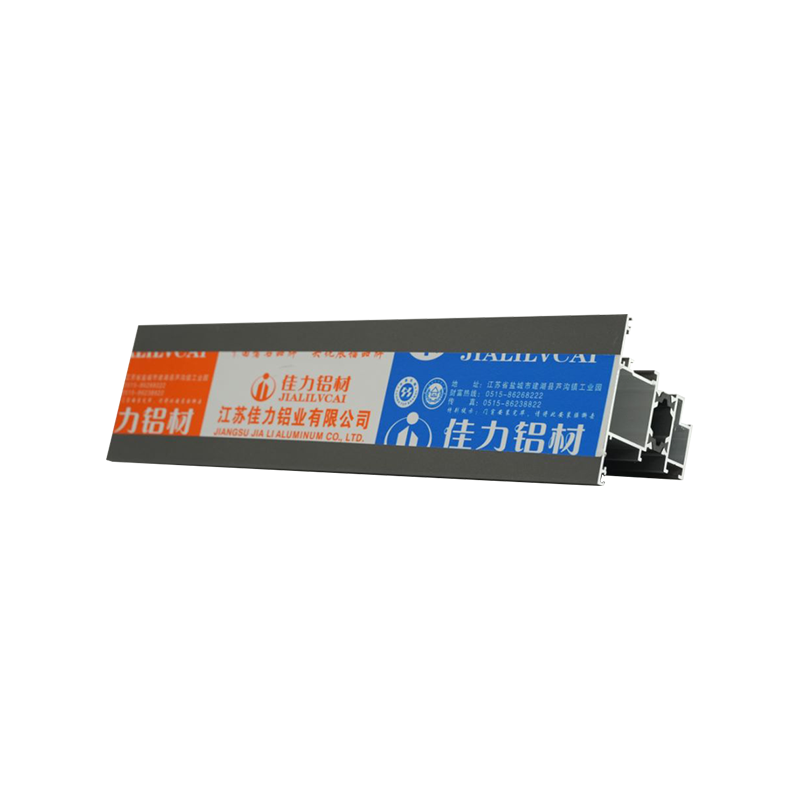
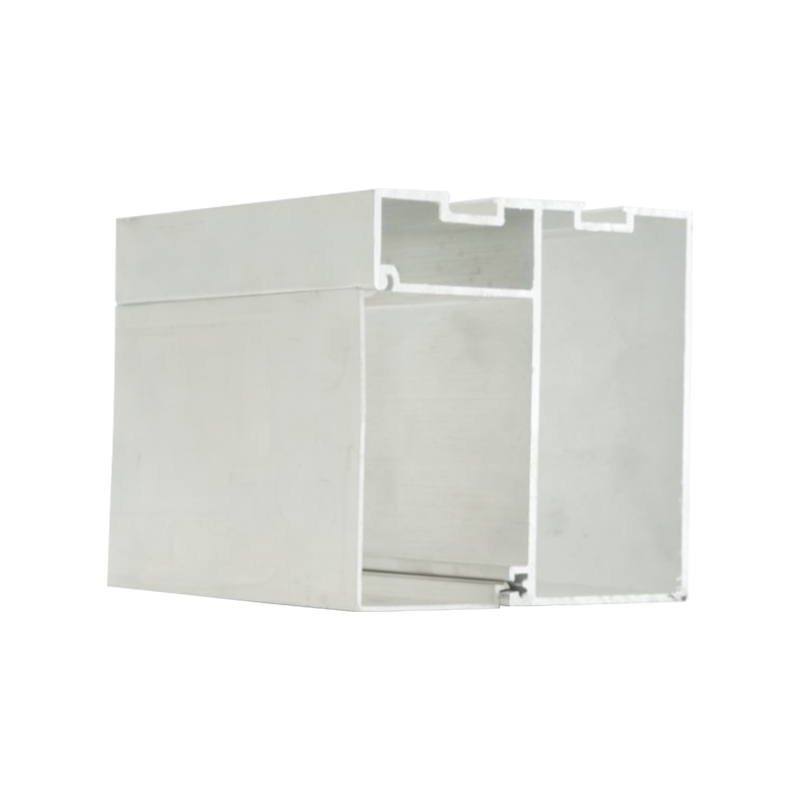
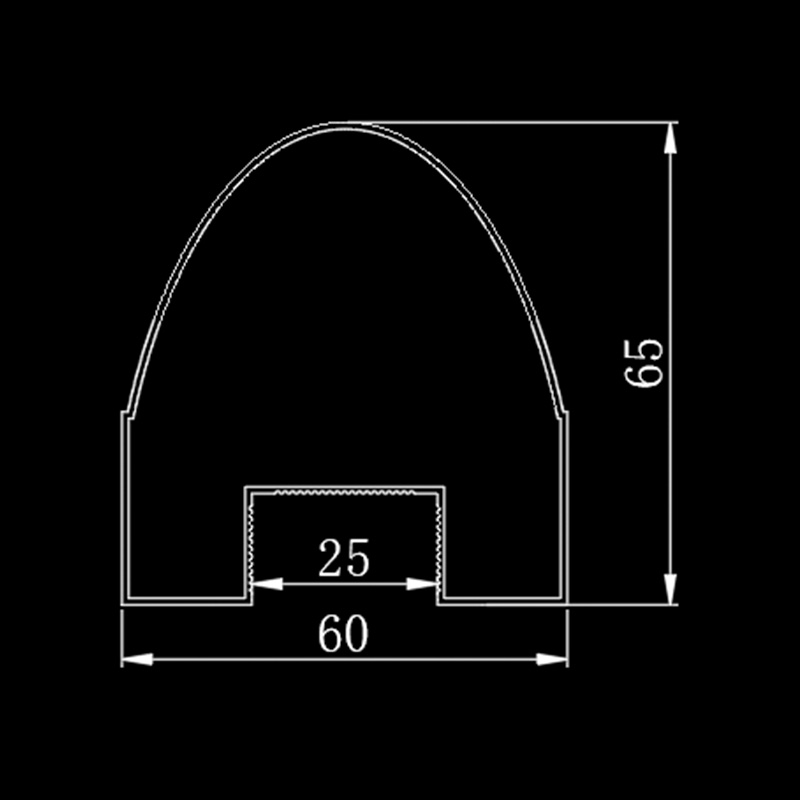
For projects that require a strong structural frame for large glass assemblies, a 100-series aluminum curtain-wall profile delivers the rigidity needed for high-traffic commercial entrances and curtain-wall systems. These profiles are designed to integrate with architectural glazing while maintaining clean lines.
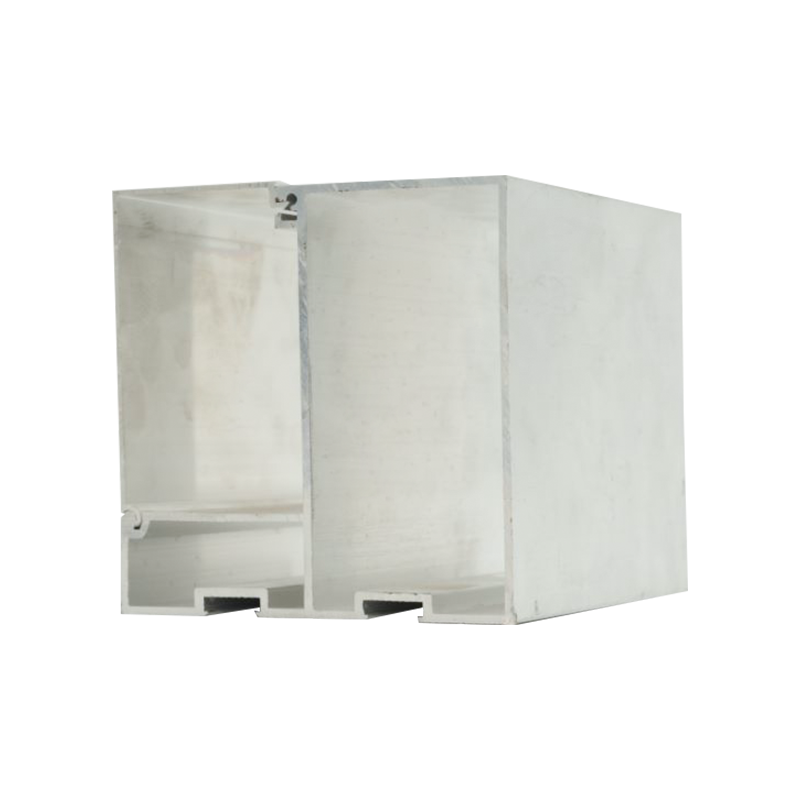 100 Series Aluminum Curtain Wall Profiles for Commercial FacadesThese profiles offer high-purity aluminum with precision extrusion for large glass assemblies, providing strength and lightweight design for curtain-wall systems. Their surface treatment options ensure durability and color retention in demanding architectural projects.View Product →
Alloy Selection: 6063-T5 vs 6061-T6 for Commercial Door Frames
The alloy and temper you choose directly affect frame strength, workability, and long-term behavior. Two alloys dominate the market. 6063-T5 is the architectural standard, valued for its excellent extrudability, smooth surface finish, and good corrosion resistance. 6061-T6 is about 30% stronger, making it useful for heavy-duty industrial doors or applications where high wind loads and impact resistance are primary concerns.
However, the stronger alloy is more difficult to extrude in complex profiles and typically costs more. For most commercial buildings, 6063-T5 offers the best balance: it can be formed into intricate hollow sections for thermal break systems, accepts anodizing and powder coating well, and provides sufficient tensile strength for typical door frames. If the project requires heavier, thicker sections or a higher safety factor, 6061-T6 should be considered. The extra strength also reduces the need for larger profiles in exposed locations, which can help preserve slim architectural lines.
When evaluating suppliers, ask for the exact alloy and temper of the frame material. Be wary of “architectural grade” labels that do not specify a standard. A written certificate of material properties gives you the data needed to validate performance against the project requirements.
Thermal and Acoustic Performance in Commercial Doors
Modern commercial buildings are judged not only by how they look but by how they perform. Thermal bridging through aluminum frames is a well-known energy concern. A thermally broken frame separates the interior and exterior metal with an insulating polyamide strip, significantly reducing heat flow. In cold climates, the temperature difference can exceed 40°C, and a non-thermal frame will cause condensation and energy loss.
Acoustic insulation is equally important for doors facing busy streets or manufacturing areas. A door with a well-designed air-tight frame and laminated glazing can reduce noise transmission by 25 dB or more. The key is the combination of an insulated profile, proper gasketing, and glazing that matches the intended performance class.
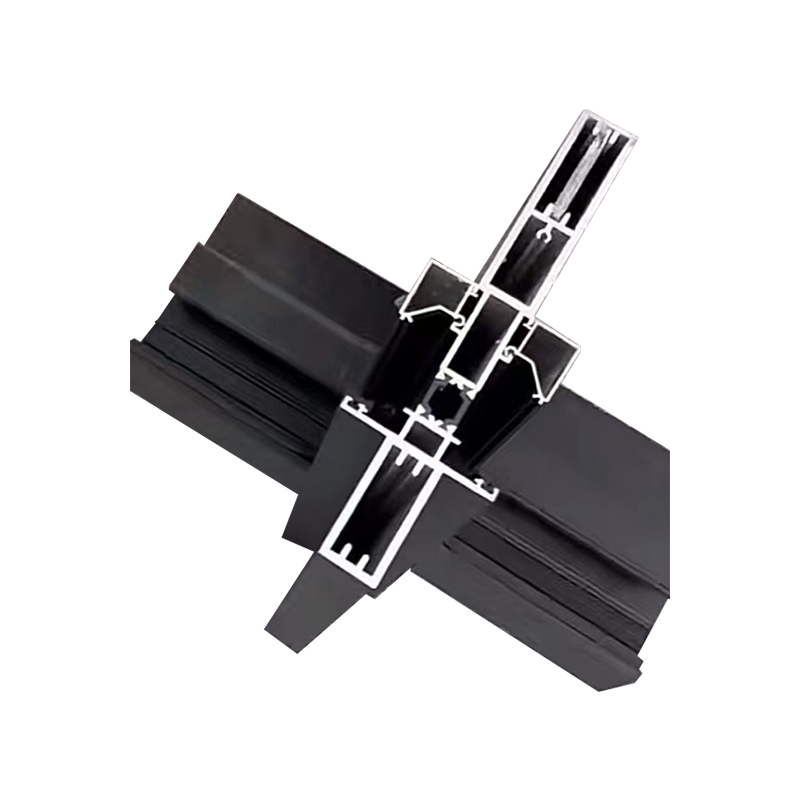
For projects where both thermal and acoustic control are priorities, sound-insulation and heat-insulation sliding window building aluminum profile is engineered to support high-performance commercial doors and windows. The profile geometry is optimized to hold multi-layer insulation and acoustic glazing, giving you a wider margin for meeting strict environmental standards.
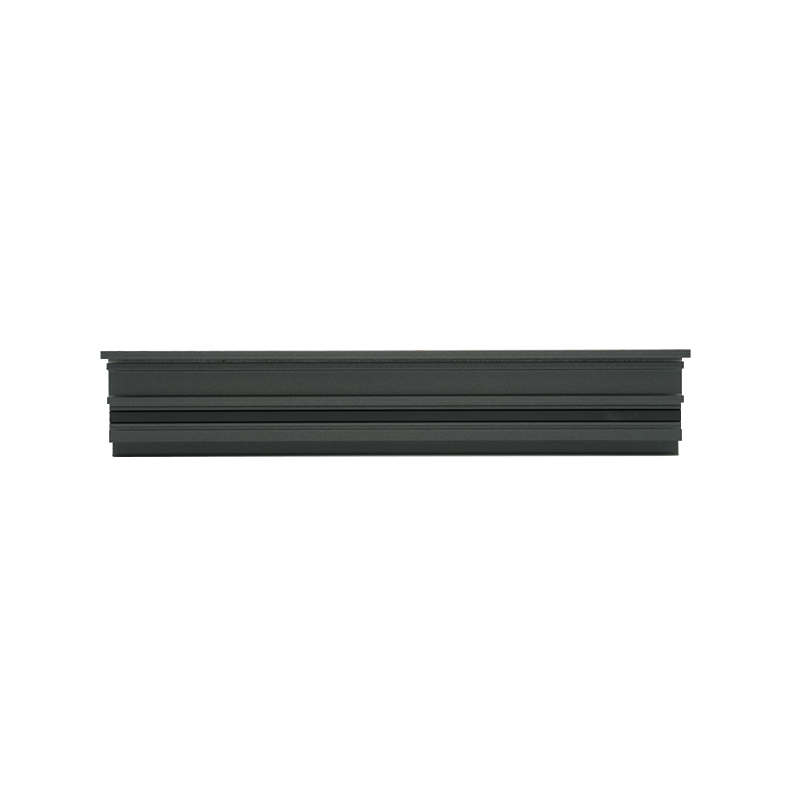 Sound-Insulating and Heat-Insulating Sliding Window Aluminum ProfilesEngineered with multi-layer sealing and heat-insulating strips, these profiles reduce noise and energy loss, making them ideal for high-performance commercial windows and doors in residential or high-rise buildings.View Product →
Common Configurations for Commercial Entrances
Beyond the frame, the door configuration defines how the entrance works in daily use. The main types are swing doors, sliding doors, folding doors, and telescopic doors. Each has a distinct role.
- Swing doors provide a clear open path and are common for customer entrances in retail and hospitality. They require adequate swing space and high-quality hinges to prevent sagging.
- Sliding doors are ideal for spaces where swing clearance is limited, such as shopping malls and transit stations. They can be automated, which is a big advantage when accessibility is required.
- Folding doors allow wide openings for flexible indoor-outdoor spaces, often used in cafés and event venues.
- Telescopic doors are purpose-built for very wide openings in logistics centers, warehouses, and factory yards. They use a sliding series of panels that stack to the side, opening quickly without losing structural integrity.
For large-scale commercial entrances where wide access and reliable operation are essential, telescopic door aluminum profile provides the robust track and panel sections needed for daily heavy use. This product is often specified for plant gates, distribution centers, and security checkpoints.
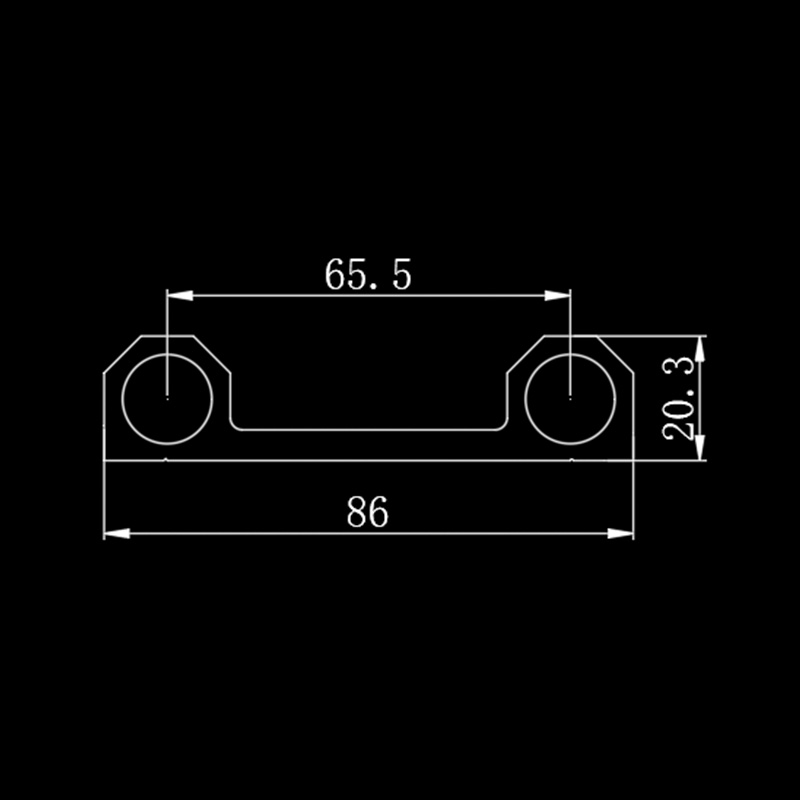 Telescopic Door Aluminum Profiles for Heavy-Duty EntrancesConstructed from aviation-grade aluminum with corrosion resistance and structural rigidity, these profiles support smooth operation and are suited for automated telescopic doors in large commercial or industrial settings.View Product →
Finish Options and Maintenance Requirements
The finish is what most people notice, but it is also the first line of defense against corrosion. The most common finishes for commercial aluminum frames are anodizing and powder coating.
- Anodizing creates a hard oxide layer on the metal surface. It is naturally color-fast, does not peel, and has excellent abrasion resistance. Standard anodic thickness ranges from 10 to 25 microns, with 20 microns recommended for exterior applications in aggressive environments.
- Powder coating adds a flexible polymer layer over the substrate. It offers a wider color palette and good chemical resistance, but the surface must be properly pretreated. A quality powder coat system with a polyester topcoat will typically hold up for 15–20 years in normal urban conditions.
The real measure of a coating is its performance under field conditions. If your project is near a coastline where salt spray is common, or near an industrial plant with acidic emissions, the coating specification must be elevated. In such cases, a fluoropolymer (PVDF) coat or a thicker anodic finish is a safer choice. You should also ask the supplier about the coating process—a good pretreatment and cure cycle matters more than the paint label.
To understand how coated aluminum profiles protect exterior doors over time, this article on the role of coated profiles in exterior longevity covers practical selection criteria and common failure modes.
How to Choose a Reliable Aluminum Frame Supplier
The best frame specification is only as good as the manufacturer that produces it. When you invite vendors to quote, look for more than the lowest price. A dependable supplier should be able to show evidence of a strong in-house extrusion operation, because controlling the extrusion process directly affects tolerances, surface quality, and consistency across batches.
Ask about die ownership and modification capability. Commercial projects often require custom profiles for specific structural or aesthetic requirements. A supplier that can develop and test new dies efficiently can help you meet deadline and performance targets without compromise. Also confirm their testing protocols for material properties and coating adhesion, even if they do not share a lab report upfront. A simple verification such as checking alloy certificates and surface thickness measurements can prevent many mid-project surprises.
Finally, think about the supplier's capacity. If you are procuring for a multi-storey building, the manufacturer must deliver consistent profiles over several months. Confirm annual capacity, lead times, and whether they process their own coatings or outsource that step. A vertically integrated approach—from extrusion to finishing—reduces the risk of quality drift and makes accountability much clearer.
Frequently Asked Questions
Q1: What is the minimum frame thickness for commercial aluminum doors?
The minimum thickness depends on the door size, glass weight, and wind load. For a standard storefront door, a profile wall thickness of at least 1.8 mm is common, but heavy-duty entrances may require 2.5 mm or more. Always verify that the supplier’s profile meets the required structural deflection limits for your geographic wind zone.
Q2: Can aluminum frames support large glass panels?
Yes. Aluminum frames are well suited for heavy glass, provided the profile depth and corner construction are correctly sized. For large panels, use deeper profiles with reinforced corner brackets. The frame must also accommodate the weight and wind pressure without excessive deflection. A structural calculation is recommended for any glass panel over 1.5 m².
Q3: Do commercial aluminum doors require special maintenance?
Maintenance is minimal but not optional. Clean frames periodically with mild soap and water to remove accumulated dirt and salt. Check gaskets every year and replace them when they become brittle. For powder-coated frames, avoid abrasive cleaners. For anodized frames, avoid contact with alkaline solutions. With basic care, a well-finished aluminum door frame can last 25 years or more.