ENG
ENG
 English
 русский
 中文简体
中文简体 Español
 Indonesia
Interior cabinetry has moved far beyond traditional wood-only doors. Aluminum frame glass cabinet doors now appear in kitchens, bathrooms, offices, and retail displays because they offer a clean, modern aesthetic with true structural stability. If you are evaluating this system for a residential or commercial project, the key is to understand how the frame profile, glass selection, and hardware interact. This guide sets out the practical decisions that will determine performance, appearance, and long-term satisfaction.
Why Aluminum Frame Glass Cabinet Doors?
Aluminum frames outperform hardwood and plastic alternatives in several measurable ways. First, the metal does not swell or crack when humidity changes. Second, an extruded aluminum profile can incorporate internal channels that hold glass without heavy mechanical fastening. Third, the alloy’s natural oxide layer makes it resistant to corrosion and easy to clean. For cabinet doors in kitchens, bathrooms, or workshop environments, these attributes translate to fewer service calls and a longer service life.
Compared with wood, aluminum is lighter for the same cross-section. A typical 6063-T5 temper provides adequate stiffness for cabinet door spans up to 800 mm when the profile is correctly designed. So the door opens smoothly, hinges do not strain, and the visual line remains crisp.
For example, a kitchen cabinet with a door size of 450 x 600 mm and 5 mm tempered glass will behave very differently from an office display cabinet with a 700 x 900 mm pane. The latter requires a thicker, deeper profile to prevent sagging over time.
Select the lightest profile that still meets deflection limits for your glass weight. This saves cost, reduces hinge stress, and makes the door feel more balanced.
Key Profile Specifications You Need to Understand
Most cabinet door frames use hollow or semi-hollow extrusions with a visible width of 20 mm to 40 mm. The critical values are wall thickness, profile depth, and the glass channel width. Wall thickness drives stiffness; profile depth gives the frame its shadow line and conceals the glass edge.
Profile depth is measured from the front to the rear of the extrusion, and it determines how much the glass sits recessed from the front surface. A deeper profile creates a stronger shadow and hides glass chips at the edges. Standard depths fall between 25 mm and 45 mm for cabinet door frames.
| Wall Thickness | Glass Panel Size | Typical Application |
|---|---|---|
| 1.2 mm | Up to 300 x 400 mm | Small display cabinets, decorative inserts |
| 1.6 mm | Up to 500 x 700 mm | Standard kitchen and bathroom cabinet doors |
| 2.0 mm | Up to 700 x 900 mm | Large doors, heavy glass, public areas |
These are practical starting points, not strict engineering limits. Always confirm with a structural check that considers the aluminum temper, the overall frame width, and the type of hinges used.
Another specification is the alloy temper. 6063-T5 is the common choice because it offers a good balance of strength, extrusion quality, and corrosion resistance. 6061-T6 provides higher strength but is harder to extrude into complex shapes and is often less economical for decorative profiles.
Selecting the Right Aluminum Profile for Your Cabinet Doors
Start with the door size and the weight of the glass. A narrow 20 mm frame looks elegant but may not support large tempered glass panels over 600 mm wide. In that case, choose a deeper profile or a reinforced extrusion with a thicker wall.
At our manufacturing facility, we produce aluminum profiles for a range of home-furnishing and architectural applications. For cabinet door frames, custom aluminum profiles for glass cabinet door frames can be extruded with the exact channels and corner details needed. This eliminates the need for extra adapters and gives a more finished appearance.
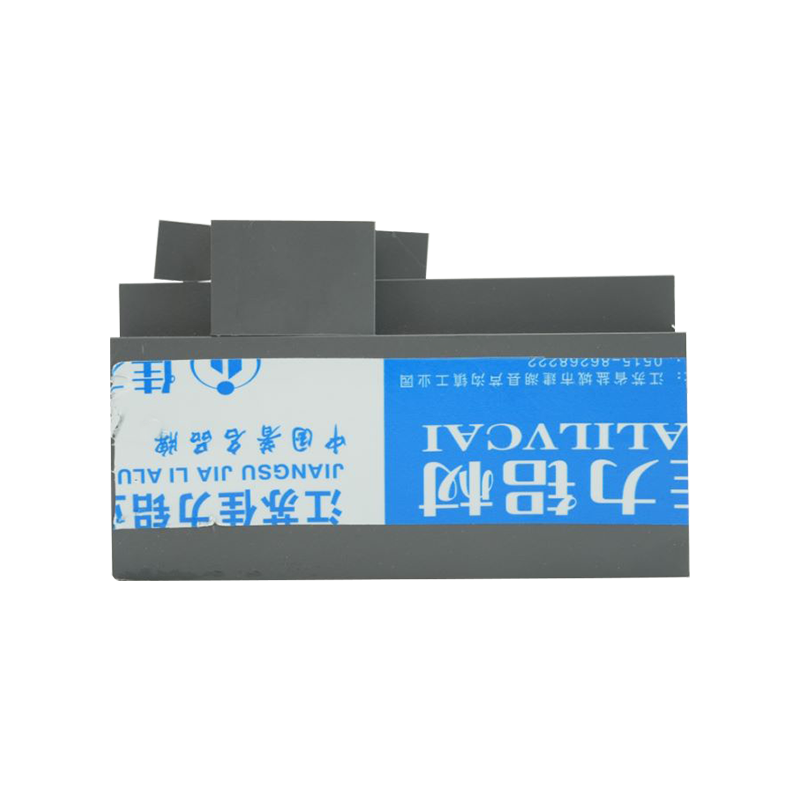
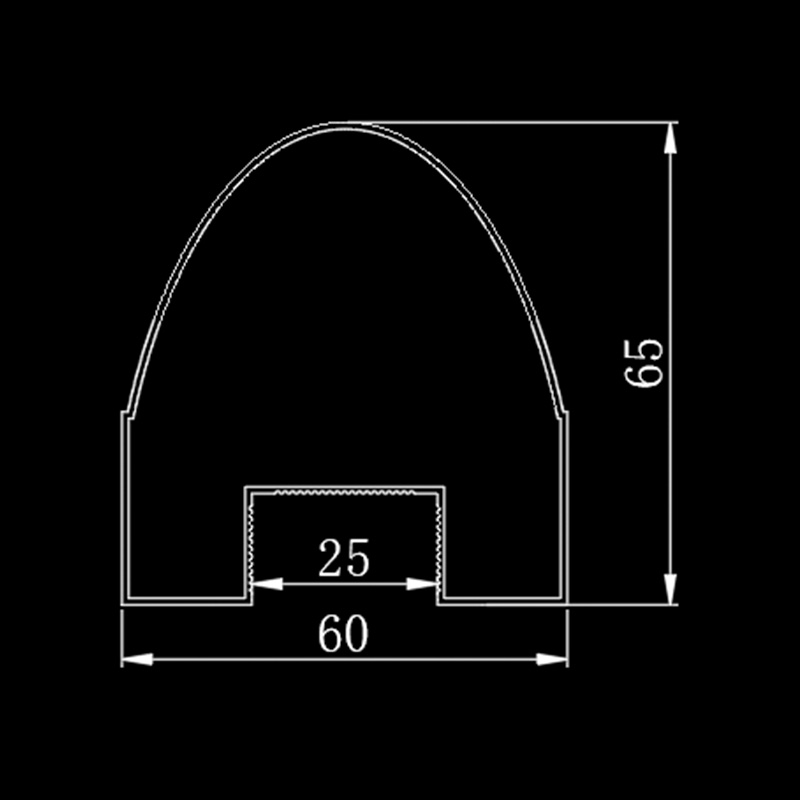
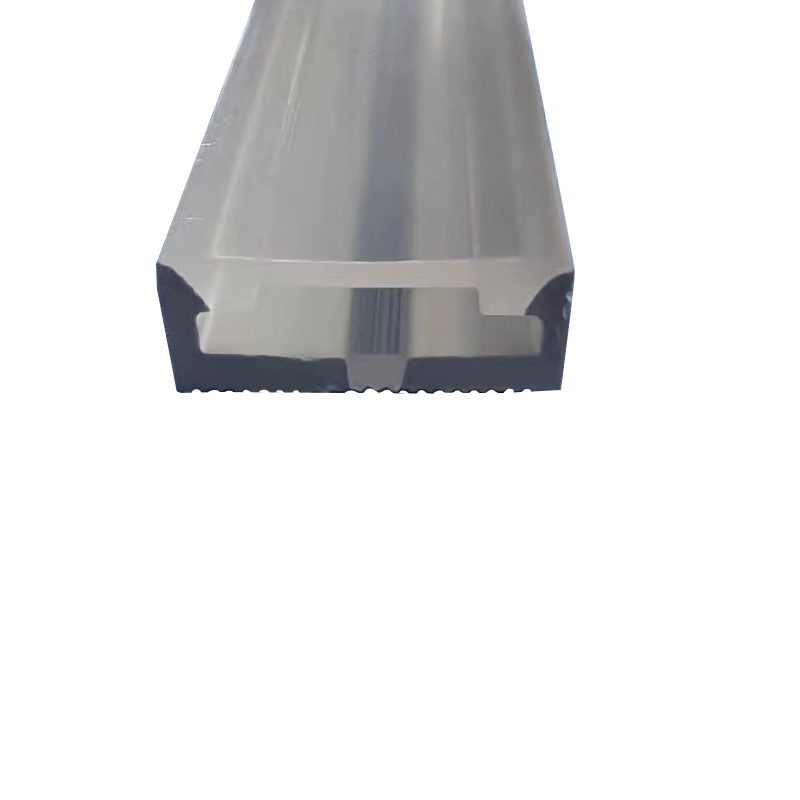 Custom Aluminum Profiles for Glass Cabinet Door FramesThese extruded aluminum profiles are designed for glass cabinet doors, offering precise channels and corner details. They eliminate extra adapters, providing a finished look and reliable performance for high-strength applications.View Product →
If you need a lighter frame with a very thin visible width, a lightweight casement window architectural aluminum profile can also serve as a robust base for interior glass doors. These profiles are designed for demanding glazing tasks and offer precise glass retention.
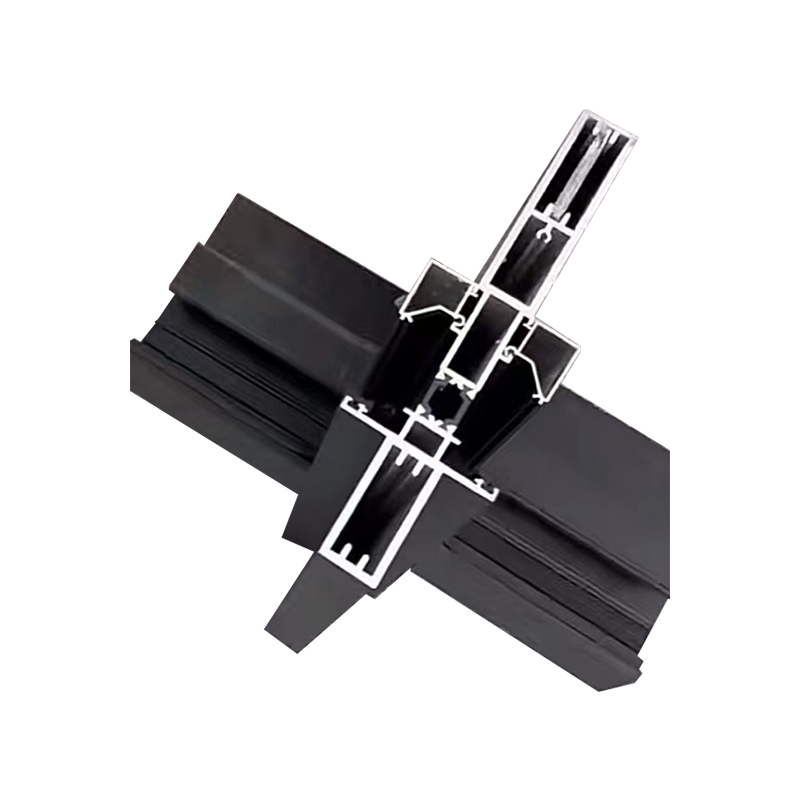
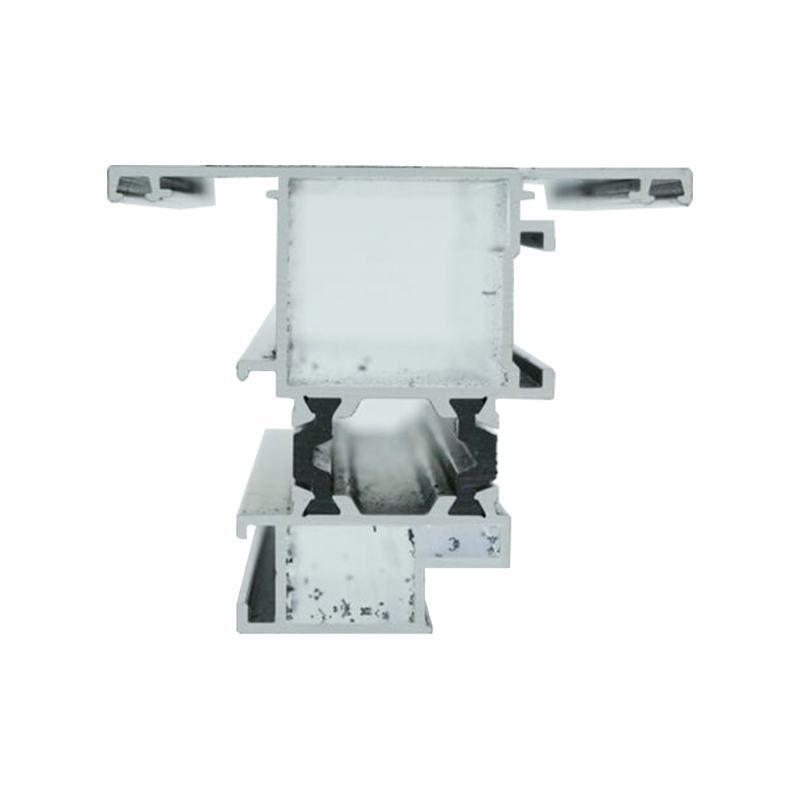 Lightweight Casement Window Aluminum Profile for Modern BuildingsThis casement window profile features broken bridge insulation and a durable finish, enhancing energy efficiency and aesthetics. It supports versatile opening methods and uses high-performance hardware for thermal and sound insulation.View Product →
For a full step-by-step method, our article on how to choose and install aluminum frames for interior glass walks through each stage from measuring to fitting the glass.
Finishes, Glass Options, and Design Styles
Surface finish affects both appearance and lifetime. Anodized aluminum gives a dull metallic sheen and high scratch resistance. Powder-coated frames allow unlimited color matching to your cabinetry. Brushed or hammered finishes create a designer look but may show fingerprints more readily.
Glass type changes the feel and function of the door. Tempered glass is the safe default for cabinet doors because it fractures into small granules. Laminated glass offers sound damping and retains glass shards if broken. Frosted or tinted glass provides privacy while still letting light pass through.
Frame width determines the visual weight. Slim profiles, for example, create a contemporary, almost frameless look. In contrast, wider profiles match traditional interiors. The choice is a balance between style and structural need. Current interior trends favor slim, near-invisible frames for their minimalist impact. For a cleaner look, the aluminum frame can be powder-coated in a matte black or warm bronze, matching modern hardware. To understand what separates a high-performance contemporary interior glass and aluminum door frame from an average one, read what defines a high-performance contemporary interior glass and aluminum door frame.
Installation and Hardware Considerations
Accurate installation begins with correct measurements. The door must fit the cabinet opening with a clearance of 2-4 mm per side to allow the frame to expand and contract. Align hinges so that screws engage the aluminum wall depth, not the hollow cavity. Use self-tapping screws designed for aluminum or pre-drill the profile.
Sealants and gaskets play a major role. EPDM or silicone gaskets cushion the glass, prevent rattling, and block moisture. For cabinet doors in humid areas, apply a continuous gasket around the perimeter.
If you are installing a pair of double doors, remember that each panel needs its own solid support. Use a central stile if the combined opening exceeds 800 mm.
Where a structural divider or a decorative accent is needed, square aluminum tube can provide a clean, rigid section. It is easy to cut and assemble with standard aluminum connectors.
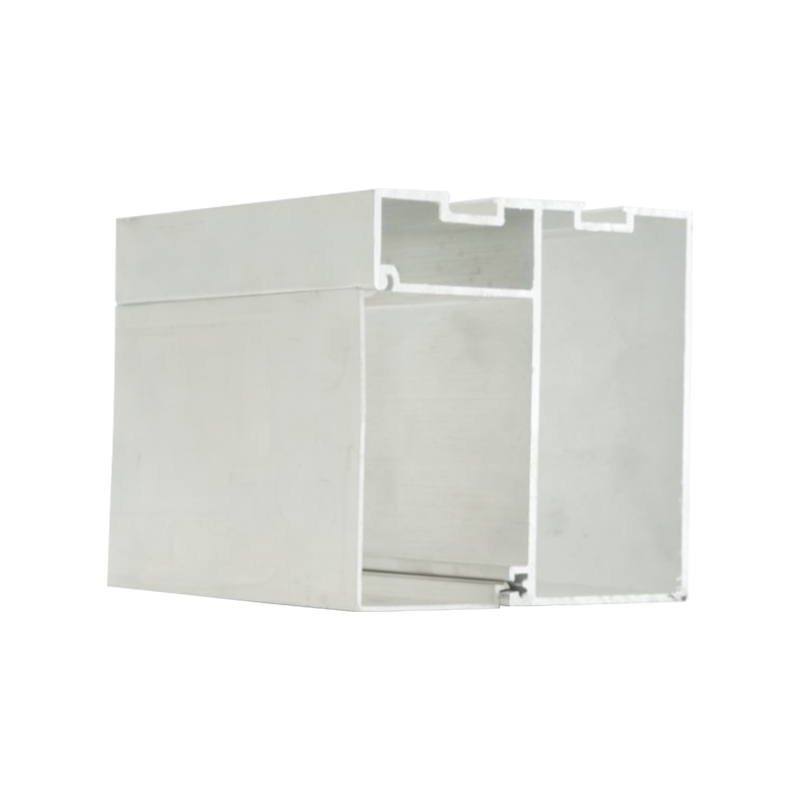
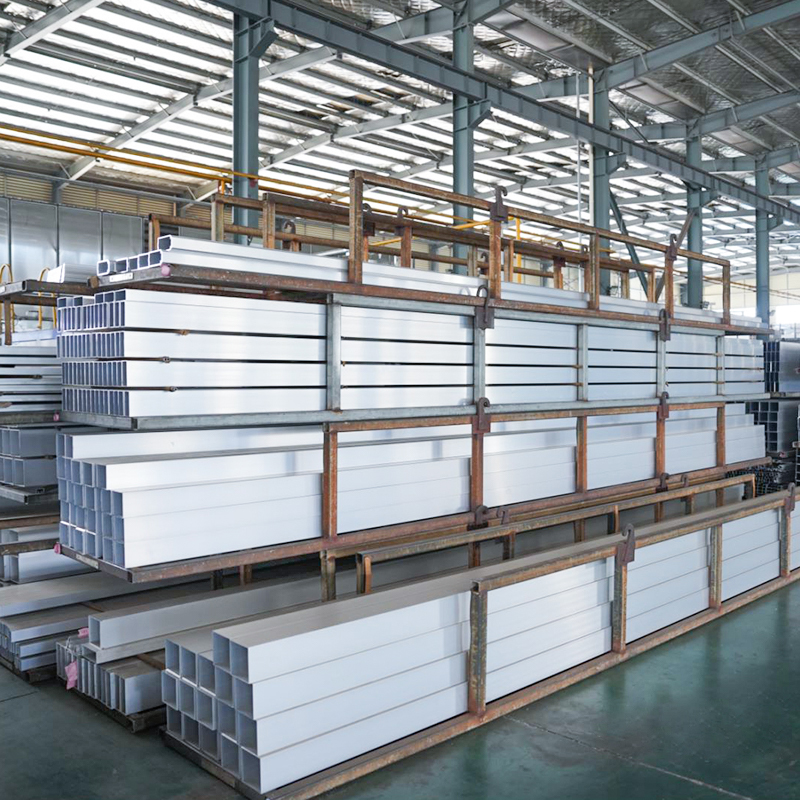 Square Aluminum Tube for Structural and Decorative UseAluminum square tubes provide clean, rigid sections that are easy to cut and assemble. They offer strength, corrosion resistance, and a variety of finishes, suitable for curtain walls, interior decoration, and industrial frames.View Product →
Finally, adjust the door after installation. Check that the gap is even, the latch engages correctly, and the glass does not move when the door is closed.
Maintenance Tips for Lasting Performance
Aluminum frame glass cabinet doors require very little maintenance. Clean frames with a soft cloth and mild soap or a non-abrasive cleaner. Avoid hydrochloric acid and alkali-based detergents that can damage anodized coatings. Lubricate hinges and tracks once a year with a silicone-based spray. Inspect the gaskets for cracking after a few years; a replacement gasket is inexpensive and preserves the seal.
Frequently Asked Questions
Q1: Can aluminum frame glass cabinet doors be made with any glass thickness?
Most profiles accept glass from 4 mm to 8 mm. Check the glass channel width in the selected profile before ordering. Tempered glass is recommended for safety.
Q2: Are aluminum frames better than wood for cabinet doors?
For humid environments and where dimensions change with temperature, aluminum is more stable. It does not warp and requires less maintenance. Wood offers a classic look but may need periodic sealing.
Q3: Can I install these doors in a bathroom or laundry room?
Yes, provided you use anodized or powder-coated aluminum and proper sealed glass. Aluminum resists moisture and light cleaning chemicals are safe.
Q4: How long do aluminum frame glass cabinet doors last?
With normal interior use and occasional hardware lubrication, the aluminum frame itself can last decades. The glass and gaskets are the components most likely to need replacement over time.