ENG
ENG
 English
 русский
 中文简体
中文简体 Español
 Indonesia
Understanding Aluminum Curtain Wall Systems
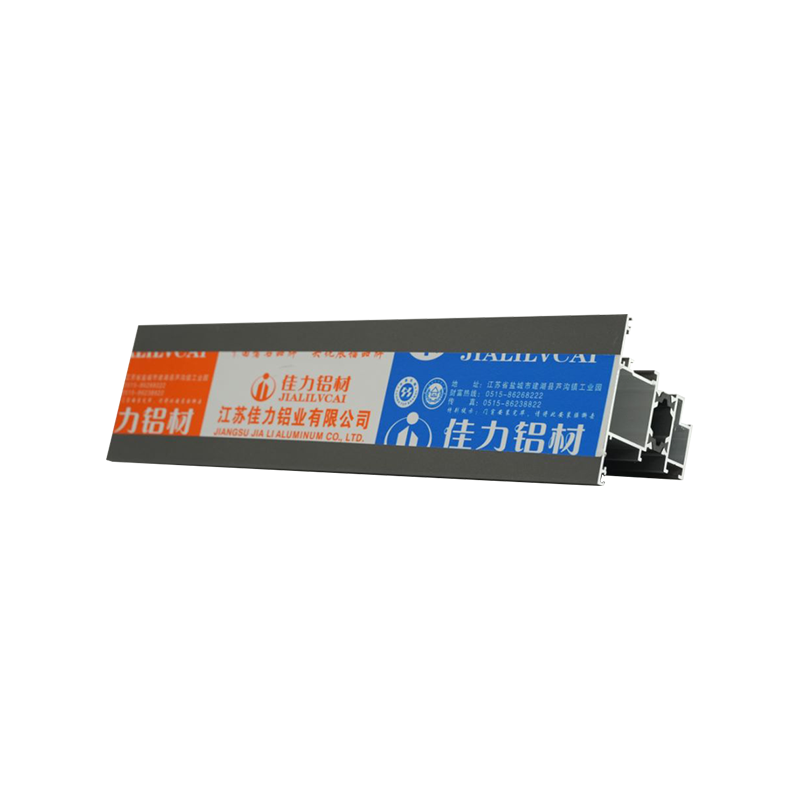
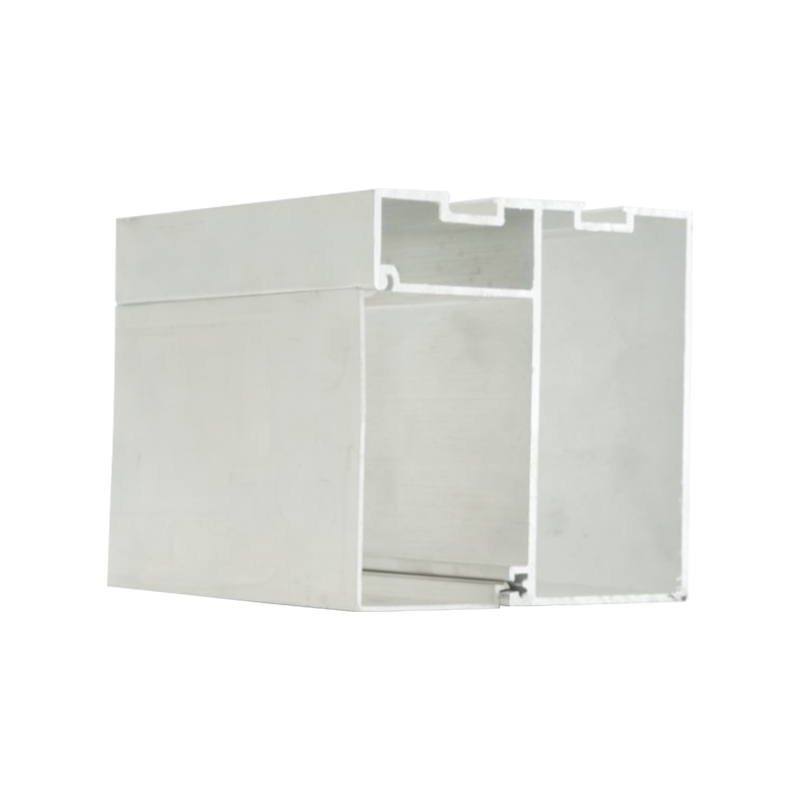
Aluminum curtain wall systems represent one of the most versatile and widely adopted facade solutions in modern architecture. These non-load-bearing exterior cladding systems consist of aluminum curtain wall profiles that support glazing, metal panels, and other infill materials while transferring wind loads and environmental forces back to the primary building structure.
The global curtain wall market continues to expand as architects and developers seek lightweight, durable, and aesthetically striking building envelopes. Aluminum profiles serve as the structural backbone of these systems, offering exceptional strength-to-weight ratios, corrosion resistance, and design flexibility. Understanding the fundamental differences between stick and unitized systems is essential for selecting the optimal solution for your specific project requirements.
Stick Curtain Wall Systems: Traditional On-Site Assembly
How Stick Systems Work
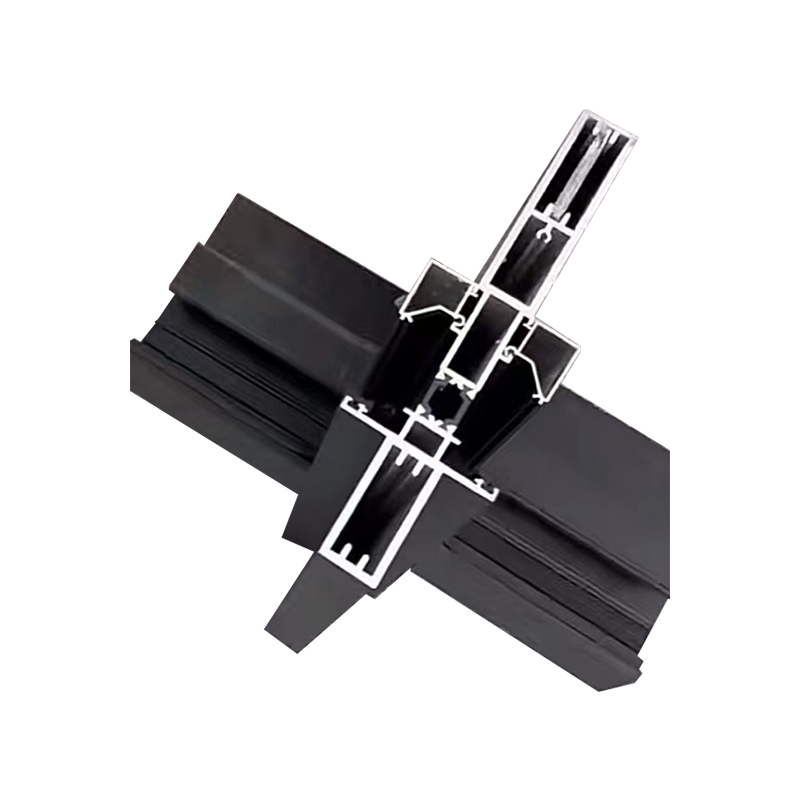
Stick curtain wall systems follow a traditional construction methodology where individual components are delivered to the construction site and assembled piece by piece. The installation process begins with vertical mullions being anchored to floor slabs or structural columns, followed by horizontal transoms that create a grid framework. Once the aluminum framework is established, glass panels, spandrel panels, and sealing gaskets are installed and secured in place.
This sequential assembly approach allows for real-time adjustments during installation, making it particularly adaptable to site-specific conditions. The components arrive as individual sticks of aluminum extrusions along with crates of glass and hardware, requiring skilled labor to execute proper assembly, glazing, and sealing operations on-site.
Key Advantages of Stick Systems
- Design Flexibility: Stick systems accommodate complex geometries, irregular shapes, and last-minute design modifications with relative ease. This adaptability proves invaluable for projects featuring unique architectural elements or non-repetitive facade patterns.
- Lower Initial Investment: Material and transportation costs are typically lower since components ship as compact individual pieces rather than large prefabricated units. This makes stick systems economically viable for smaller projects or facades under 5,000 square meters.
- Maintenance Accessibility: Individual components can be repaired or replaced without disturbing adjacent sections. Damaged glass panels or gaskets can be addressed through straightforward removal and reinstallation procedures.
- Logistical Simplicity: Smaller component sizes facilitate easier transportation and site storage, particularly beneficial for projects with limited laydown areas or congested urban sites.
Considerations and Limitations
While stick systems offer considerable flexibility, they present certain challenges that project teams must evaluate. Installation timelines extend significantly compared to unitized alternatives, as every component requires on-site assembly and sealing. Weather conditions directly impact installation quality and progress, with rain, high winds, or extreme temperatures potentially causing delays or compromising sealant performance.
Quality control depends heavily on the skill level of on-site installation crews. Inconsistent sealing practices or improper gasket installation can lead to air infiltration, water penetration, or thermal bridging issues. Additionally, stick systems require extensive scaffolding and prolonged work at height, increasing safety risks and labor costs over extended construction periods.
Unitized Curtain Wall Systems: Factory Precision and Speed
The Unitized Approach
Unitized curtain wall systems represent a paradigm shift in facade construction, utilizing large prefabricated panels manufactured in controlled factory environments. Each unit incorporates aluminum framing, glazing, spandrel panels, gaskets, and insulation assembled and sealed under optimal conditions. These complete modules arrive at the construction site ready for installation, requiring only anchoring to the building structure and connection to adjacent units.
The interlocking design of unitized panels enables rapid floor-by-floor installation, with panels hoisted by crane and secured in sequence. This methodology transforms facade construction from a labor-intensive on-site operation into a streamlined assembly process that parallels manufacturing efficiency principles.
Performance Benefits
- Accelerated Installation: Pre-assembled panels reduce on-site installation time by up to 50% compared to stick systems. This rapid enclosure enables earlier commencement of interior work, compressing overall project schedules significantly.
- Superior Quality Control: Factory fabrication ensures consistent tolerances, precise glazing alignment, and reliable sealant application. Controlled environmental conditions eliminate weather-related quality variables that affect on-site assembly.
- Enhanced Thermal Performance: Factory-installed thermal breaks and gaskets minimize thermal bridging risks. Consistent assembly practices yield superior air tightness and water resistance, contributing to lower U-values and improved energy efficiency.
- Improved Safety Profile: Reduced work at height and minimal scaffolding requirements enhance jobsite safety. Fewer workers exposed to elevated conditions for shorter durations translates to lower accident risks.
- Weather Independence: Primary fabrication occurs indoors, isolating production from adverse weather. On-site installation remains efficient even in challenging climatic conditions.
Project Applications
Unitized systems excel in high-rise commercial towers, large-scale mixed-use developments, and projects with repetitive facade modules. Buildings exceeding 20 stories particularly benefit from the speed and safety advantages of unitized construction. The system's ability to accommodate structural movement through engineered panel connections makes it suitable for tall buildings in seismic zones or areas subject to high wind loads.
Comparative Analysis: Stick vs Unitized Systems
Selecting between stick and unitized curtain wall systems requires careful evaluation of project-specific factors. The following comparison highlights critical differences across key performance categories:
| Comparison Factor | Stick System | Unitized System |
| Assembly Location | On-site piece by piece | Factory pre-assembly |
| Installation Speed | Slower, weather-dependent | Fast, rapid enclosure |
| Labor Requirements | High on-site labor needs | Reduced field labor |
| Quality Consistency | Variable, skill-dependent | High factory consistency |
| Initial Cost | Lower material costs | Higher upfront investment |
| Design Flexibility | Excellent for complex shapes | Best for repetitive modules |
| Maintenance | Easy component replacement | May require unit replacement |
Cost Considerations
Cost analysis reveals nuanced differences between the two systems. Stick systems generally present lower initial material and transportation expenditures, making them attractive for budget-constrained projects or smaller facade areas. However, extended installation timelines and higher on-site labor costs can offset these savings, particularly in markets with elevated labor rates.
Unitized systems require substantial upfront investment in engineering, factory setup, and specialized transportation. For facades exceeding 5,000 square meters, economies of scale typically render unitized systems cost-competitive when factoring in accelerated schedules and reduced field labor. The value of earlier building occupancy and revenue generation often justifies the higher initial expenditure for commercial developments.
Additional Curtain Wall System Variations
Semi-Unitized Systems
Semi-unitized curtain wall systems represent a hybrid approach that combines elements of both stick and unitized methodologies. The primary structural frame consisting of mullions and transoms is erected on-site, while pre-assembled panel units are subsequently attached to this framework. This configuration offers a middle ground, providing greater flexibility than fully unitized systems while achieving faster installation than pure stick construction.
Exposed Frame vs Concealed Frame
Exposed frame curtain walls feature visible aluminum framing that creates distinct grid patterns across the facade. This traditional approach offers straightforward maintenance access and clear visual articulation of the structural system. Concealed frame systems minimize visible framing through strategic glass and panel placement, achieving a seamless, monolithic appearance increasingly favored in contemporary architecture.
Semi-concealed systems balance these approaches, partially obscuring framing elements while maintaining subtle visual rhythm. These aesthetic variations apply to both stick and unitized construction methods, allowing architects to achieve desired visual outcomes regardless of the underlying structural approach.
Selection Guidelines for Project Teams
Determining the optimal curtain wall system requires systematic evaluation of project parameters. Consider the following decision framework when evaluating options:
- Building Height and Scale: High-rise towers favor unitized systems for speed and safety, while low-to-mid-rise structures may benefit from stick system economics.
- Facade Complexity: Projects featuring irregular geometries, varying angles, or custom details align better with stick system flexibility. Repetitive, modular designs suit unitized prefabrication.
- Schedule Constraints: Tight timelines or weather-sensitive construction windows favor unitized systems with their rapid enclosure capabilities.
- Performance Requirements: Projects prioritizing thermal efficiency, air tightness, or acoustic performance benefit from unitized factory precision.
- Site Conditions: Limited laydown areas, congested urban sites, or crane access restrictions influence system selection and logistics planning.
- Budget Structure: Evaluate total installed cost including schedule impact, not merely initial material expenditures.
The optimal selection balances these factors against specific project goals, local market conditions, and long-term performance expectations. Neither system universally outperforms the other; success depends on matching system characteristics to project requirements.
Frequently Asked Questions
Q1: What is the primary structural difference between stick and unitized curtain walls?
The fundamental difference lies in assembly location. Stick systems are assembled piece by piece on the construction site, while unitized systems arrive as large pre-assembled panels fabricated in factory conditions.
Q2: Which system offers better thermal performance?
Unitized systems typically deliver more consistent thermal performance due to factory-controlled assembly of thermal breaks and seals. However, both systems can achieve excellent energy efficiency when properly engineered and installed.
Q3: At what project size do unitized systems become cost-effective?
Generally, unitized systems achieve economies of scale for facades exceeding 5,000 square meters. Below this threshold, stick systems often prove more economical due to lower upfront costs and reduced transportation complexity.
Q4: Can unitized systems accommodate complex architectural designs?
While traditionally associated with repetitive facades, modern unitized systems can incorporate curves, angles, and three-dimensional effects. However, highly complex or irregular geometries remain better suited to stick system flexibility.
Q5: Which system is easier to maintain and repair?
Stick systems offer simpler maintenance access, allowing individual components to be replaced without disturbing adjacent sections. Unitized systems may require removal of entire panels for certain repairs, though factory-quality seals often reduce long-term maintenance needs.
Q6: How do weather conditions affect installation?
Stick systems are highly weather-dependent, with rain, wind, and temperature extremes potentially causing delays or compromising seal quality. Unitized systems minimize weather impact since primary fabrication occurs indoors, and on-site installation proceeds rapidly regardless of conditions.