
Aluminum Sliding Window Profiles Customized
Aluminum Sliding Window Profiles
Aluminum Sliding Window Profiles are extrusion sections used to construct horizontally sliding window systems. Their geometry can be developed for frames, sliding sashes, tracks, interlocking sections and supporting components, allowing window manufacturers to build systems around specific glazing and hardware requirements.
Sliding window profiles are particularly useful where opening space, operating direction and installation depth need to be considered together. Aluminum extrusion provides a repeatable section for production, machining and assembly across different project quantities.
Profile Functions at a Glance
Forms the fixed perimeter and provides the structural base for the sliding assembly.
Supports the movable glazing section and interfaces with rollers, locks and seals.
Supports the movement of sliding panels and can be integrated into the frame design.
Connects meeting sash sections and helps coordinate sealing and closing positions.
Built for Sliding Window Fabrication
The section design needs to account for panel movement, roller positioning, glass retention and the relationship between fixed and movable parts. For this reason, profile development should be based on the complete window assembly rather than on an isolated extrusion shape.
Glazing interface: The section can be designed around the required glass or panel thickness and retention method.
Hardware coordination: Roller, locking and handle positions should be considered during profile development.
Drainage planning: Drainage paths can be incorporated into the frame geometry where required by the system.
Assembly consistency: Repeated profile sections help manufacturers maintain a consistent production process across batches.
Suitable Project Environments
Sliding window systems can be used for apartments, houses, balconies and other residential openings.
Suitable for offices, retail spaces and facilities requiring horizontally operating window assemblies.
Custom extrusion dimensions can support replacement or redesign requirements where existing systems need coordinated sections.
From Profile Drawing to Production
For B2B buyers, technical cooperation can cover the profile drawing, section review, tooling preparation, sample production, dimensional inspection and subsequent production. Customer-provided drawings or samples can be used as the starting reference for custom profile development.
- Provide the profile drawing, sample or required section dimensions.
- Confirm glazing, hardware, connection and finishing requirements.
- Review the proposed profile structure and production feasibility.
- Prepare tooling and produce samples for dimensional confirmation.
- Proceed with production after the approved section has been confirmed.
Questions Buyers Commonly Consider
Can sliding window profiles be customized?
Yes. Profile dimensions, section geometry, surface treatment and processing requirements can be developed according to project specifications.
Can several sliding window sections be developed together?
Yes. Frame, sash, track, interlock and auxiliary sections can be coordinated as part of one window system.
What technical information is useful for quotation?
Section drawings, dimensions, material requirements, glazing specifications, surface finish, annual demand and processing requirements can help establish the project scope.
Checker plate products in stock
A selection of the checker plate items available under this topic.
Aluminum square tube
Aluminum square tubes are made of high-quality aluminum alloy materials. With its unique square cros...
View More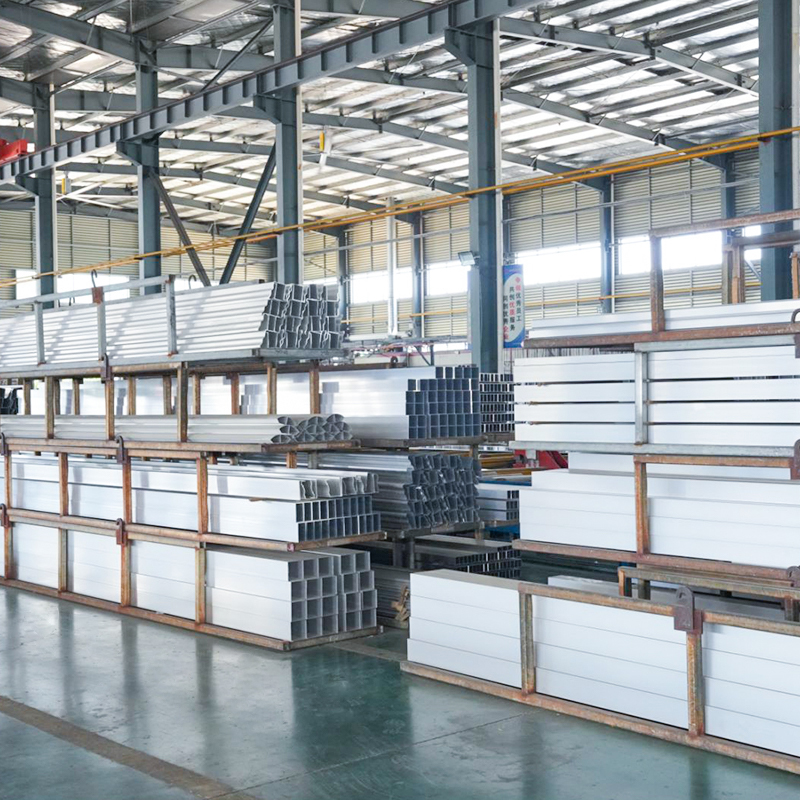
Aluminum round tube
Aluminum alloy material gives aluminum round tubes the characteristics of light weight and high stre...
View More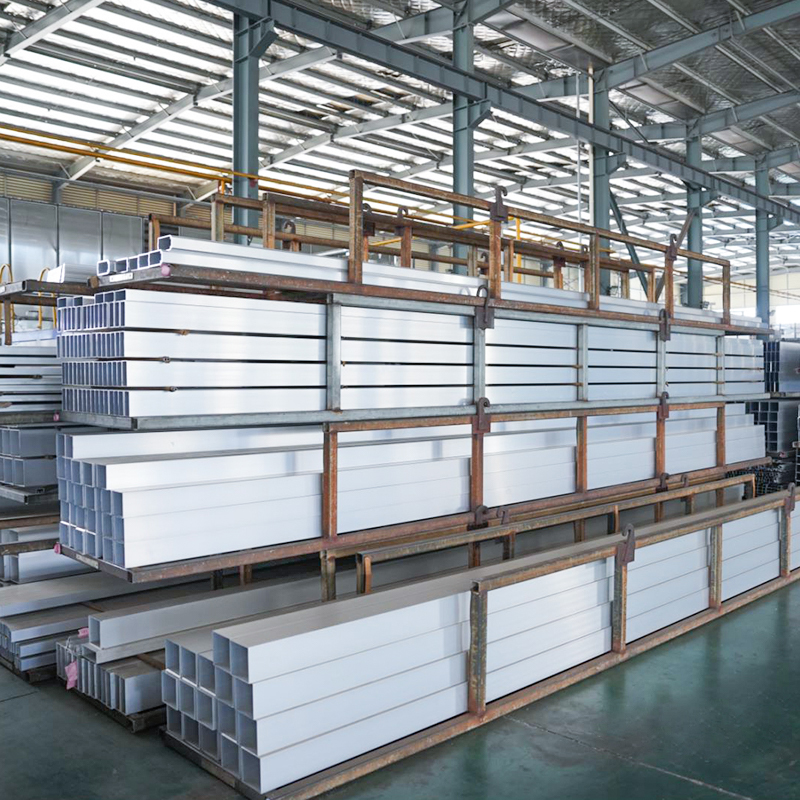
Aluminum round bar
The surface of aluminum round bars has been specially treated to effectively resist oxidation and co...
View More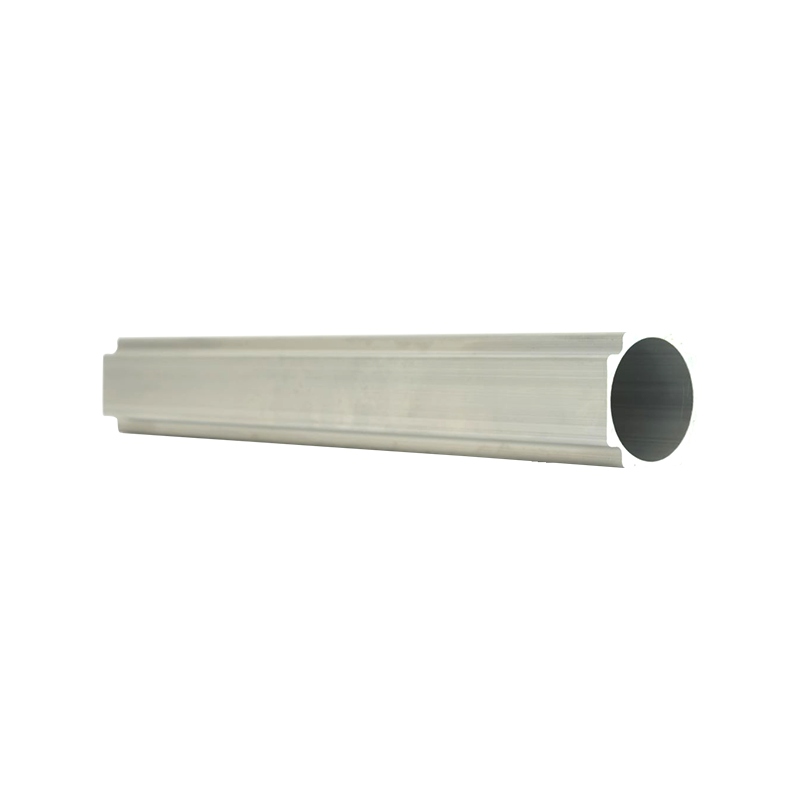
New energy vehicle battery shell floor aluminum profile
The aluminum profile of the floor of the battery shell of new energy vehicles adopts an integrated s...
View More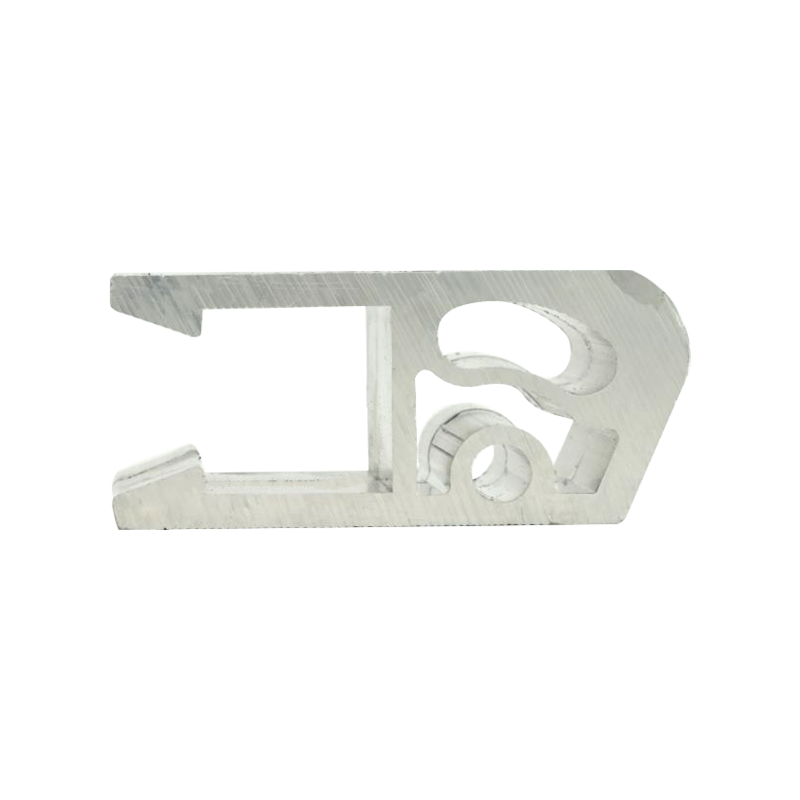
Aluminum profiles
The sleeve-type aluminum profile is made of high-quality aluminum alloy material and is processed th...
View More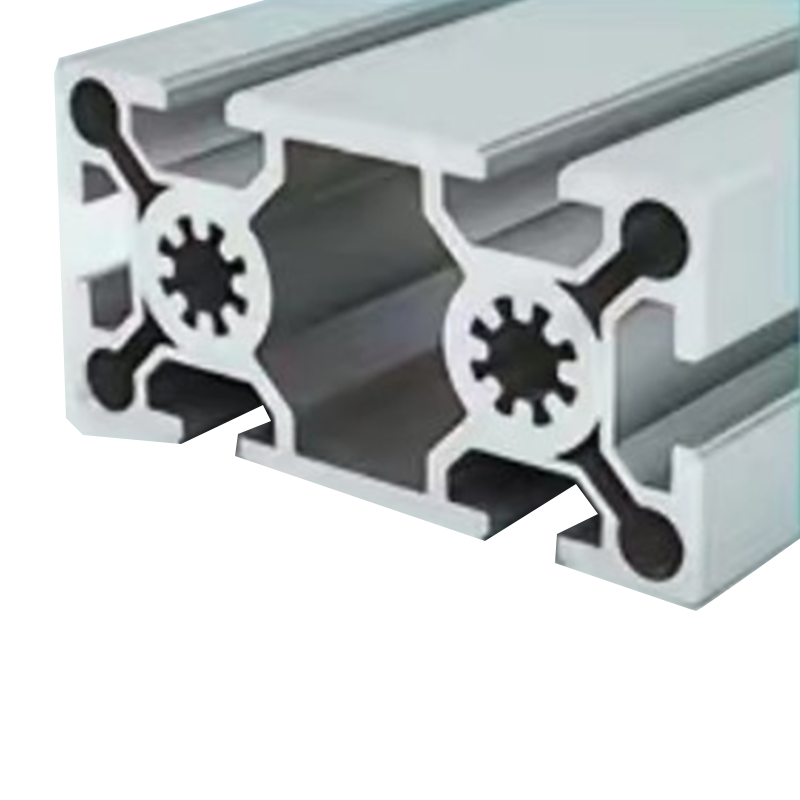
40*80 Flow aluminum wire profile
40*80 wide rectangular tube:Wide design: The unique 40mm wide side and 80mm long side provide a wide...
View More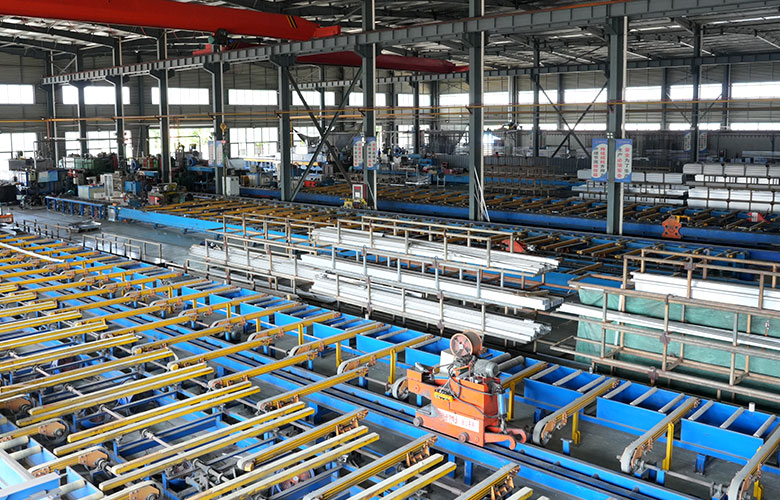
Professional OEM & ODM Manufacturer of Precision Aluminum Profiles
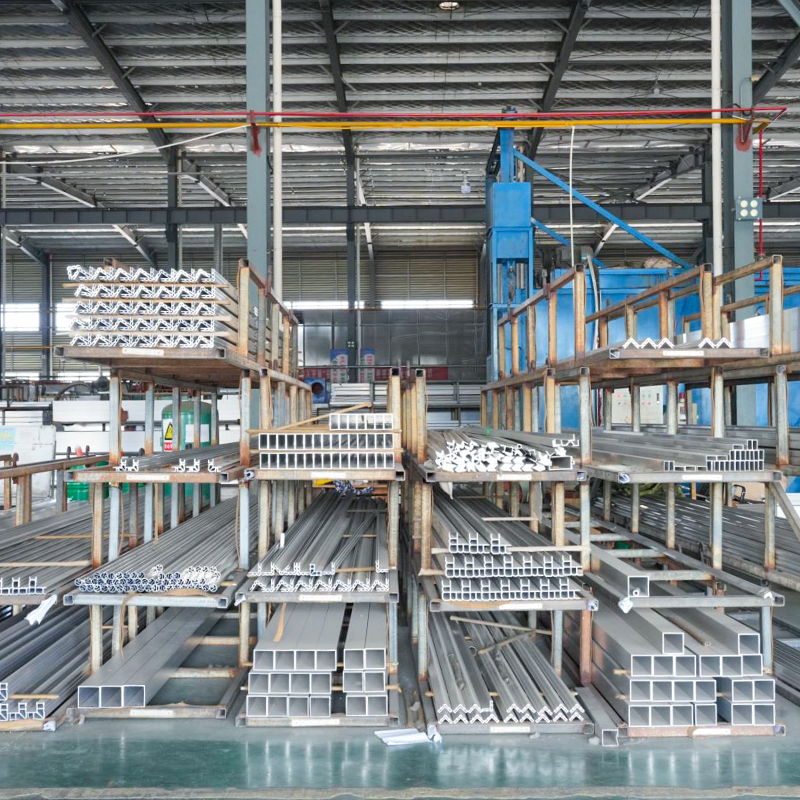
Jiangsu Jiali Aluminum Co., Ltd. operates advanced manufacturing bases spanning over 100 acres in Yancheng, Jiangsu. With an annual capacity reaching 15,000 tons, as China Aluminum Sliding Window Profiles Manufacturers and Wholesale Aluminum Sliding Window Profiles OEM/ODM Suppliers,we specialize in comprehensive R&D, extrusion, and surface treatment for architectural and industrial aluminum systems.
Backed by an experienced technical team and rigorous testing protocols, we deliver high-strength, wind-pressure-resistant, and high-airtightness profiles tailored precisely to global B2B client specifications and international standards.
End-to-End Custom Processing & Quality Assurance
How we safeguard manufacturing precision and technical standard compliance for industrial buyers.
Drawing & Sample Validation
Converting your 2D design layouts or physical samples into verified 3D production models for precise tooling development.
Advanced Extrusion & R&D
Utilizing high-performance extrusion lines and expert alloy selection to maintain structural integrity and tight tolerances.
Multi-Stage Inspection
Comprehensive monitoring across fabrication processes, verifying strength, dimensions, and surface finishes before packaging.
Ask about checker plate pricing
Send your alloy, thickness and quantity and we'll come back with a quote and lead time within one business day.
- Email[email protected]
- FactoryJianhu District, Yancheng City, Jiangsu, China